 Angel Doris
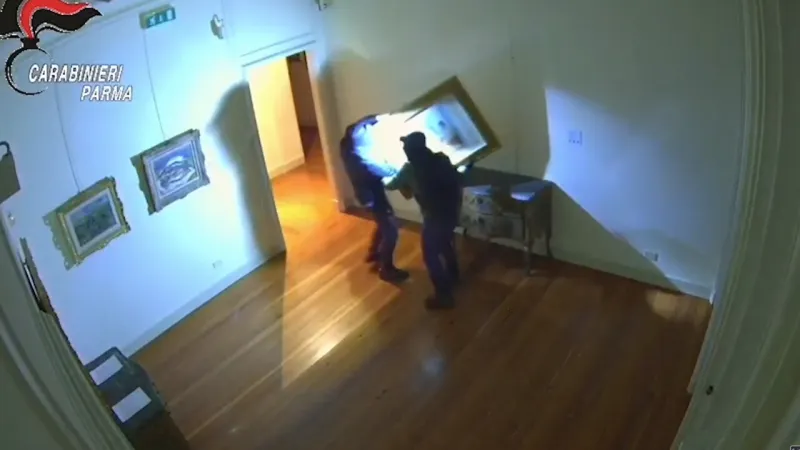
Law enforcement officials successfully recovered three valuable paintings stolen from the esteemed Fondazione Magnani Rocca in Parma, Italy, recently, with surveillance video footage proving instrumental in identifying the perpetrators and facilitating the swift retrieval of the artworks. The daring heist, which captivated national attention, unfolded live on the institutions security cameras, providing crucial evidence that led investigators directly to the culprits.
The brazen theft occurred during what security experts now describe as a meticulously planned operation, executed under the cover of darkness. Thieves managed to bypass sophisticated alarm systems at the prominent art institution, a significant cultural beacon in the Emilia-Romagna region. The swiftness of the recovery underscores the effectiveness of rapid response protocols by Italian authorities and the indispensable role of modern surveillance technology in combating art crime.
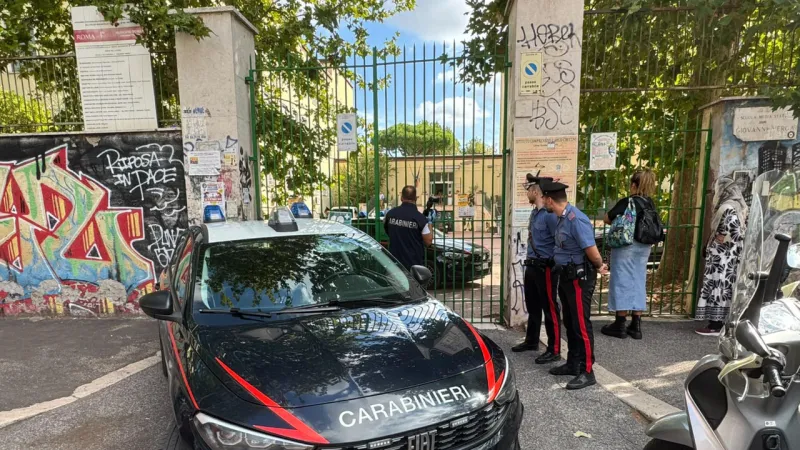
Investigators from the Carabinieri's Nucleo Tutela Patrimonio Culturale (Cultural Heritage Protection Unit), a specialized branch renowned for its expertise in recovering stolen antiquities and artworks, led the operation. Their diligent work, combined with immediate forensic analysis of the crime scene, quickly narrowed down potential leads.
Central to the breakthrough was the vivid surveillance footage. The cameras captured the thieves in action, meticulously documenting their entry, movements within the gallery, and the moment they absconded with the precious canvases. This visual evidence offered investigators an unprecedented look into the mechanics of the heist, providing clear images of the individuals involved, their methods, and even their escape route.
While specific details about the recovered paintings and their estimated value remain under official wraps pending further investigation, sources close to the inquiry suggest they are works of considerable artistic and historical significance. The Fondazione Magnani Rocca houses an impressive collection spanning from old masters to modern art, making any loss a substantial blow to Italy's rich cultural heritage.
This incident highlights the persistent vulnerability of cultural institutions to organized criminal networks targeting valuable artworks. Despite advancements in security, art theft remains a lucrative illicit trade. The swift resolution in this Parma art theft case, however, sends a strong message to would-be criminals that such acts will be met with immediate and robust law enforcement action.
A similar success occurred earlier when authorities recovered Eight Stolen Matisse Jazz Prints in Brazil, demonstrating a global commitment to preserving cultural assets. These cases underscore international cooperation in tracking and retrieving stolen art, a challenge that transcends national borders.
Experts in art security note that the visual record provided by high-definition surveillance systems is increasingly becoming the most potent weapon in the fight against art crime. It offers not only immediate evidence but also a deterrent, making it riskier for thieves to operate undetected.
The investigation into the Parma art theft is ongoing, with authorities expected to release more details regarding the arrests and charges in the coming days. The focus now shifts to understanding the full extent of the criminal network involved and ensuring that all individuals responsible are brought to justice.
The cultural community in Italy and beyond breathes a collective sigh of relief following the recovery. The Fondazione Magnani Rocca expressed profound gratitude to the Carabinieri, emphasizing the importance of their tireless efforts in safeguarding irreplaceable cultural treasures for future generations. This swift resolution serves as a testament to the dedication of those committed to protecting the world's shared artistic legacy.
The successful recovery of these artworks reaffirms Italy's strong stance against cultural property crime and its unwavering commitment to preserving its artistic heritage for posterity.