 Robert Andrison

In a deeply unsettling incident that has raised urgent questions about child safety in educational settings, a 6-year-old boy was discovered carrying a 13-centimeter kitchen knife in his backpack at a primary school in the Lecce area of Italy. The alarming find occurred when a vigilant classmate alerted an instructor to the presence of the potentially dangerous object, prompting immediate intervention by school officials and local authorities.
The discovery, which took place earlier this week, sent ripples of concern through the school community. Details emerging from the investigation suggest the knife, a common household utensil, was found during regular school hours, leading to swift action to secure the item and ensure the safety of all students and staff present.
Upon being notified, the school administration promptly contacted law enforcement. Carabinieri, Italy's national gendarmerie, quickly arrived at the scene to commence an investigation into how a child of such a tender age came to possess a weapon within school premises. Their primary focus is to ascertain the circumstances surrounding the incident.
The extreme youth of the child involved, a first grader, has complicated the investigative process and amplified public alarm. Authorities are exploring various possibilities, ranging from an innocent, if misguided, act by the child, to more concerning issues related to the home environment or potential influences outside the school. Given the boy's age, criminal charges are not applicable; however, the focus remains on understanding the underlying factors.
This incident immediately shifts scrutiny towards parental supervision and the overall domestic environment. Investigators are working with the family to understand how the kitchen knife could have gone unnoticed in the child's belongings before he left for school. The event underscores the critical role parents play in ensuring their children do not inadvertently bring dangerous items into public spaces.
The Lecce school knife incident has reignited national conversations about school safety protocols across Italy. While many schools have clear rules against weapons, the practicality of rigorous daily searches for young children is often debated. This event highlights the challenges educators face in balancing a nurturing environment with stringent security measures.
Child psychologists and educational experts have weighed in, suggesting such incidents often stem from a child's lack of understanding of consequences, curiosity, or imitation of behaviors observed elsewhere. They advocate for comprehensive educational programs for children and parents on safety, responsibility, and conflict resolution, rather than solely punitive measures.
This recent event adds another layer to the ongoing dialogue about education and security in Italy. For example, recent legislative efforts, such as the sweeping school decree that addressed issues like student conduct and cultural integration, reflect a broader governmental interest in shaping the educational landscape and ensuring safe learning environments.
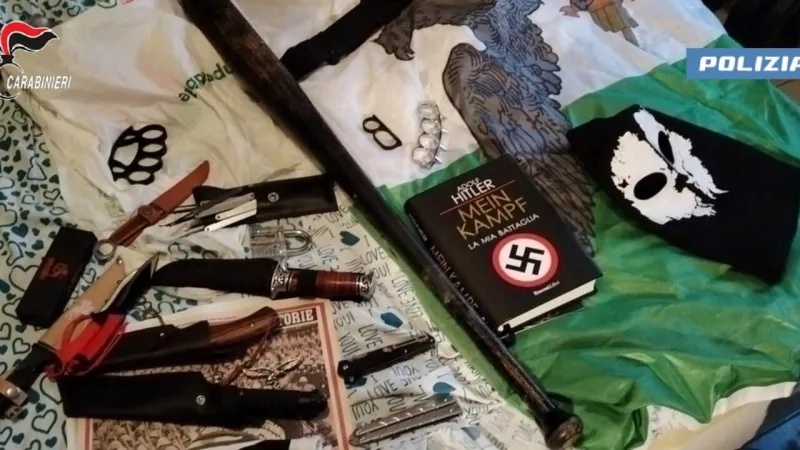
While isolated, incidents involving minors and dangerous objects are not unprecedented in Italy. Law enforcement has previously had to intervene in cases concerning young individuals, as seen in the raid on homes of 14 minors suspected of extremist plots, though the context differs significantly from the Lecce case. These events, however, collectively underscore the varied challenges related to youth safety and public order.
The local community in Lecce has expressed a mix of shock and determination to address the underlying issues. Parents meetings are anticipated to discuss reinforced safety measures and awareness campaigns. The goal is not just to prevent recurrence but also to foster a culture of vigilance and open communication between students, teachers, and guardians.
As the investigation proceeds, authorities emphasize that the welfare of the child remains paramount. The primary objective is to understand the full context of the incident and implement supportive measures for the boy and his family, rather than focusing on blame. This incident serves as a stark reminder of the complexities inherent in safeguarding young children.