 Dodi Irawan
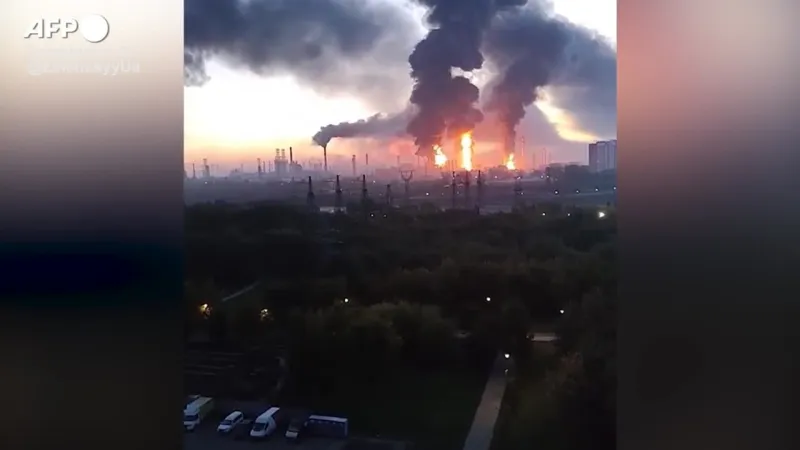
Moscow sustained damage to multiple buildings earlier today following a large-scale aerial assault by Ukrainian forces, who deployed a combination of drones, cruise missiles, and ballistic missiles, President Volodymyr Zelensky confirmed. The coordinated attack targeted various urban areas, including sites adjacent to a petroleum refinery, marking a significant escalation in the ongoing conflict.
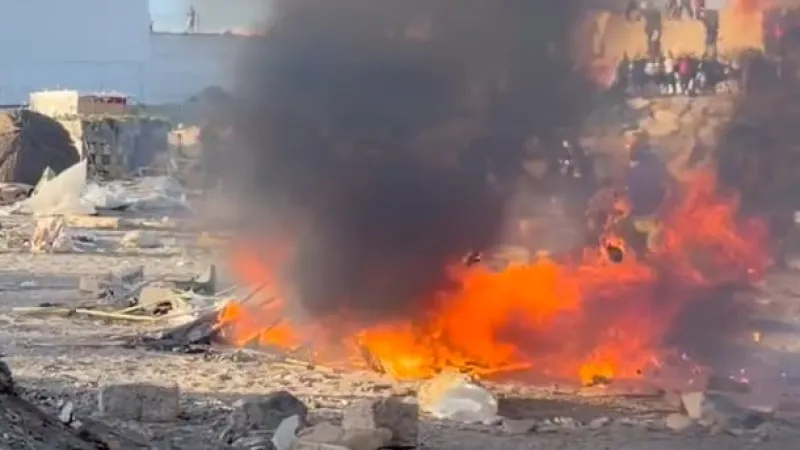
Images emerging from the Russian capital depicted plumes of smoke rising above residential structures and industrial complexes, particularly in proximity to the refinery. Emergency services immediately responded to the affected areas, assessing the extent of structural damage and ensuring public safety.
President Zelensky, speaking from Kyiv, acknowledged the operation, stating that Ukraine employed a diverse arsenal, explicitly mentioning cruise and ballistic missiles in addition to unmanned aerial vehicles. This statement indicates a broadening of capabilities and a willingness to utilize more potent long-range weaponry against targets deep within Russian territory.
The Russian Ministry of Defense reported that its air defense systems intercepted numerous incoming aerial targets. However, fragments and debris from downed drones and missiles still impacted civilian infrastructure, causing the reported damage and triggering localized fires.
Residents across Moscow reported hearing loud explosions throughout the night and early morning hours, indicating the intensity and widespread nature of the Ukrainian offensive. Social media channels were flooded with eyewitness accounts and videos showing the aftermath of the strikes.
This latest assault on Moscow follows a pattern of increasing Ukrainian attempts to bring the conflict closer to the heart of Russia. Previous incidents have seen drones strike various targets within the capital region, including commercial buildings and, as reported earlier, a refinery and a monastery. For context on previous incidents, see this related report: Ukrainian Drones Strike Moscow, Two Killed As Refinery, Monastery Hit.
The strategic choice of targets, particularly a petroleum refinery, underscores Ukraine's intent to disrupt Russia's economic and military logistical capabilities. Such facilities are vital for sustaining military operations and generate substantial revenue for the Russian state.
Analysts suggest the deployment of ballistic missiles, if confirmed independently, represents a significant development, as these weapons are harder to intercept and can carry larger payloads. This would pose a greater challenge to Moscow's sophisticated air defense network.
Kremlin officials condemned the attack as a terrorist act and vowed retaliation. Spokesperson Dmitry Peskov stated that such provocations would not deter Russia's military objectives, reiterating the government's resolve to continue its operations.
International observers are closely monitoring the situation, expressing concerns about the potential for further escalation. The direct targeting of the Russian capital with advanced weaponry could prompt a more aggressive response from Moscow, further destabilizing the geopolitical landscape.
While the full extent of casualties remains unconfirmed by official sources at this time, emergency medical teams were reportedly on standby, prepared to assist any injured individuals. The immediate focus remains on damage assessment and restoration efforts.
The increasing frequency and sophistication of these attacks demonstrate Ukraine's evolving capabilities and its commitment to applying pressure on Russia's home front. It also highlights the persistent vulnerability of even heavily defended urban centers to modern drone and missile warfare.
The international community has repeatedly called for a de-escalation of the conflict, but the latest developments indicate a trajectory towards intensified confrontation. The use of advanced weaponry by Ukraine signals a new phase in its defense strategy against the ongoing aggression.
As cleanup and investigation efforts continue in Moscow, the global community watches anxiously for Russia's official and operational response. The implications of these strikes will undoubtedly resonate throughout the ongoing conflict, shaping future military strategies and diplomatic efforts.