 Dodi Irawan
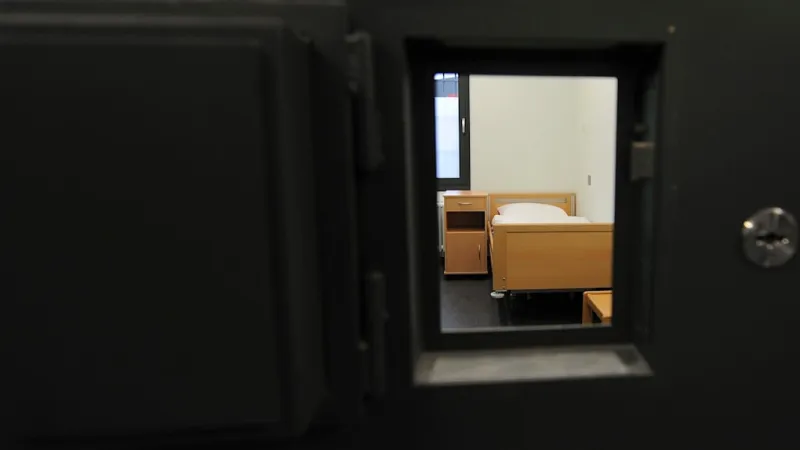
Stade, Germany – The individual identified as the “Stade shooter” died in custody this week, mere hours after all protective security measures, including camera surveillance, had been completely withdrawn from his cell. This abrupt cessation of critical precautions, implemented the day prior to his death, has prompted intense scrutiny and questions regarding the circumstances inside the correctional facility. A spokesperson for the Justice Ministry, however, maintains that no institutional errors by the prison authorities occurred.
The startling revelation, originating from official sources, outlines a significant change in the inmate’s detention conditions. Historically, individuals incarcerated for high-profile or violent offenses often remain under stringent observation, a protocol designed to ensure both their safety and that of the prison environment. The complete lifting of these measures the day before his demise represents a stark departure from such common practices.
Details surrounding the shooter's original offense in Stade have not been fully disclosed in the immediate context of his death, yet the designation “Stade shooter” itself implies a grave crime that warranted initial heightened security. Such cases typically involve comprehensive risk assessments and continuous monitoring, especially for inmates deemed vulnerable or a potential risk to themselves or others.
Justice Ministry officials were quick to address the mounting concerns. In their public statement, the ministry spokesperson asserted that an internal review found no fault with the actions of the correctional facility. This declaration, however, does little to assuage the public appetite for transparency and a deeper understanding of the decision-making process that led to the removal of the security protocols.
The specifics of the protective measures, beyond camera surveillance, typically involve regular cell checks, isolation from certain inmate populations, and even dedicated observation cells. The full extent of what was removed and the rationale behind those decisions remain central to the ongoing internal inquiry.
Critics and legal experts often emphasize the state's paramount duty of care toward individuals in its custody. A death within a correctional facility, particularly under circumstances suggesting a lapse in protective oversight, invariably triggers independent investigations to ensure accountability and adherence to penal codes.
While the Justice Ministry insists on the absence of errors, the timeline of events—relaxation of security measures followed swiftly by the inmate's death—casts a shadow of doubt that a perfunctory internal review may not fully dispel. The public and potentially grieving families will demand a thorough and impartial examination.
Questions now pivot to who authorized the removal of the surveillance and other protective measures, what criteria were used to justify this decision, and whether proper procedures were meticulously followed. These inquiries are standard in any custodial death investigation but gain particular urgency in this specific case involving the Stade shooter.
The incident could lead to a broader re-evaluation of inmate security protocols across Germany's correctional system, especially concerning high-risk individuals. Previous incidents involving inmates in sensitive cases, such as those related to public safety, have historically prompted reviews of prison management practices.
The case of the Stade shooter draws parallels to other high-profile security challenges within public services. For instance, the discussion surrounding security measures in public transport, as highlighted by incidents like a Chilling Regional Train Attack where a security guard fought for his life, underscores the constant tension between vigilance and resource allocation. While different contexts, both scenarios involve critical decisions about protection and risk.
As of 2026, the German justice system operates under stringent regulations regarding inmate welfare and human rights, necessitating a careful balance between security requirements and prisoner dignity. Any deviation from established protocols, particularly with severe consequences, warrants the highest level of scrutiny.
Further investigations, likely involving external bodies, are anticipated as public pressure mounts. The findings of these probes will be crucial in determining whether the correctional facility truly adhered to all necessary guidelines or if systemic vulnerabilities contributed to the tragic outcome.