Edward DP Situmorang
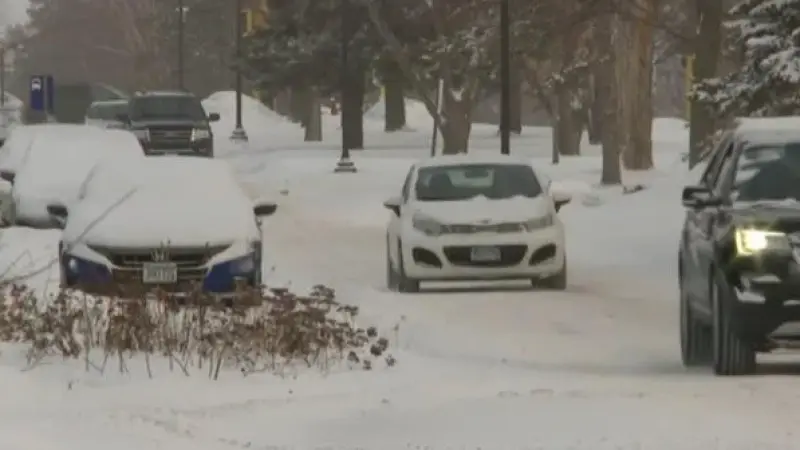
DENVER — A ferocious spring storm has paralyzed large swaths of Colorado since early Wednesday, triggering widespread travel disruptions, massive power outages, and dangerous conditions across the Front Range and eastern plains. The unusually severe weather event has stranded thousands of commuters, closed major arteries, and left over 100,000 residents without electricity.
The storm system delivered a devastating blow to the state's transportation infrastructure. Denver International Airport experienced significant delays and cancellations, with hundreds of flights grounded as heavy snow and strong winds reduced visibility to near zero. Interstate 70, a critical east-west corridor, was intermittently closed in multiple sections, trapping motorists and creating immense traffic snarls.
Xcel Energy, the primary utility provider, reported extensive power outages affecting more than 100,000 customers at the peak of the storm. Gusting winds, some exceeding 60 miles per hour, combined with wet, heavy snow, toppled trees and snapped power lines across the metropolitan area and beyond. Restoration efforts commenced immediately but faced severe challenges due to hazardous road conditions and ongoing snowfall.
Areas hit particularly hard include Denver, Aurora, and Boulder, where snow accumulations surpassed a foot in many locations. The higher elevations along the Front Range foothills recorded even greater totals, with some mountain communities seeing more than two feet of fresh powder, exacerbating existing avalanche risks. The eastern plains also contended with blizzard-like conditions.
Governor Jared Polis issued a statement urging Coloradans to remain indoors and avoid all non-essential travel. Emergency services, including the Colorado State Patrol, were stretched thin responding to numerous vehicle accidents and stranded motorists. State agencies activated their emergency operations centers to coordinate relief efforts and monitor the evolving situation.
Colorado State Patrol Chief Matthew Packard emphasized the extreme hazards on roadways. “Our troopers are encountering whiteout conditions and treacherous ice patches,” Packard stated. “Please, for your safety and the safety of first responders, stay home. If you absolutely must travel, ensure your vehicle is equipped for winter conditions and carry an emergency kit.”
Meteorologists confirmed the spring storm brought a rare combination of intense snowfall and powerful winds for this time of year. Temperatures plummeted dramatically, transforming a mild spring week into a wintery blast. The National Weather Service issued blizzard warnings for vast areas, advising residents of life-threatening travel conditions and potential for hypothermia.
School districts across the affected regions announced closures for Wednesday and Thursday, disrupting educational routines for hundreds of thousands of students. Many businesses, both large and small, were forced to shut their doors, impacting local economies already contending with seasonal fluctuations. Grocery store shelves saw increased demand as residents stocked up ahead of the storm.
Utility crews from Xcel Energy and other local providers worked around the clock, battling the elements to restore power. These dedicated teams faced freezing temperatures, heavy snow, and precarious working environments to repair downed lines and damaged infrastructure. The utility company warned that some residents in remote or severely impacted areas might experience prolonged outages.
As the storm began to slowly subside late Wednesday, attention shifted towards recovery and assessment of the full damage. Road crews initiated plowing operations, prioritizing major thoroughfares and emergency routes. Officials anticipate it will take several days to fully clear streets and restore normalcy across the hardest-hit communities.
The economic fallout from such a widespread disruption could be significant. Lost productivity from business closures, increased operational costs for emergency services, and potential damage to infrastructure will likely tally into the millions of dollars. The agricultural sector, particularly ranchers on the eastern plains, also faced challenges in protecting livestock from the sudden cold snap.
Despite the challenges, communities demonstrated remarkable resilience. Neighborhoods organized informal check-ins for elderly or vulnerable residents, and local warming shelters opened their doors to those without heat. The spirit of cooperation was evident as Coloradans navigated the difficulties presented by the harsh weather.
The event serves as a stark reminder of Colorados volatile weather patterns and the importance of preparedness. Emergency management officials advised residents to review their winter storm kits, ensuring they include essential supplies like non-perishable food, water, blankets, and battery-powered radios for future weather events.