 Debby Wijaya
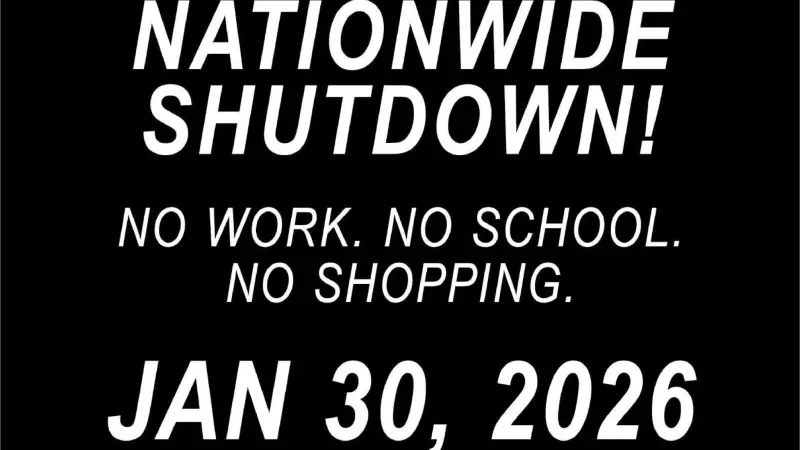
WASHINGTON — Thousands of Americans are poised to engage in a nationwide "no school, no work, no shopping" protest on May 1, 2026, orchestrating an economic blackout to underscore deep-seated grievances regarding economic inequality and the rising cost of living across the United States. Organizers anticipate significant participation, aiming to disrupt daily commerce and draw national attention to demands for systemic economic reforms.
The coordinated action, dubbed a 'May Day economic blackout,' calls upon individuals to abstain from all forms of economic activity for a full day. This includes skipping work, keeping children home from school, and refraining from purchasing goods or services, effectively pausing their individual contributions to the national economy.
Advocacy groups behind the movement, largely coordinated through grassroots networks and social media platforms, articulate a unified message: the current economic framework disproportionately benefits corporations and the wealthy, leaving average citizens struggling with stagnant wages, soaring housing costs, and inaccessible healthcare. They demand legislative action to address these disparities.
Spokespersons for the organizing coalitions emphasize the peaceful nature of the protest, framing it as a demonstration of collective power through economic withdrawal rather than confrontational direct action. The objective, they state, is to make the economic contributions of the working class and marginalized communities undeniably visible by their absence.
Historically, May Day has served as a global day of labor solidarity and protest, tracing its roots to the late 19th-century labor movement in the United States. This year's iteration adapts that tradition to contemporary economic concerns, reflecting a growing disillusionment with post-pandemic economic recovery and its perceived uneven distribution.
President Donald Trump's administration has not issued an official statement regarding the impending protest. However, White House economic advisors have frequently highlighted robust employment figures and sustained economic growth as indicators of a strong national economy, often downplaying criticisms of economic stratification.
Analysts suggest the protest's impact will hinge on two factors: the sheer volume of participants and the breadth of industries affected. While a single day of withdrawal may not cripple the national economy, widespread participation could send a powerful message to policymakers and corporate leaders.
Small business owners, already navigating a challenging economic landscape, express mixed feelings. Some sympathize with the protestors' aims but worry about the immediate financial ramifications of reduced sales on May 1. Others view the protest as a necessary wake-up call for broader economic adjustments.
Labor unions, while generally supportive of workers' rights, have offered varied levels of endorsement. Some local chapters have actively encouraged members to participate, while national leaderships have adopted a more cautious approach, balancing solidarity with existing collective bargaining agreements.
Economists are closely watching the developing situation, with some predicting minimal long-term impact but significant short-term disruption in urban centers. The protest serves as a barometer of public sentiment, they note, providing insights into the economic anxieties prevalent across diverse demographics.
Educational institutions across several states have circulated advisories to parents, acknowledging the planned protest while reaffirming attendance policies. Many schools are preparing for potential absenteeism, urging communication from families regarding any planned absences.
Retail and service industries, particularly vulnerable to a consumer boycott, are bracing for a potential downturn in business for the day. Online retailers, too, could see a dip if protestors extend their boycott to digital transactions.
The movement gains momentum against a backdrop of ongoing national debates concerning minimum wage hikes, universal healthcare access, and the role of corporate taxation in funding public services. The May Day action aims to amplify these calls for legislative intervention.
Organizers have leveraged social media platforms extensively, employing hashtags and viral campaigns to disseminate information and mobilize support. This digital-first approach allows for rapid coordination across disparate geographical locations, circumventing traditional media gatekeepers.
Previous, smaller-scale economic boycotts have occurred in various US cities, but none have approached the potential national scale and coordination of this upcoming May Day event. This makes the 2026 protest a significant test of grassroots organizing power.
The planned economic blackout seeks to transcend partisan lines, appealing to anyone feeling the pinch of economic insecurity, regardless of political affiliation. Organizers contend that economic hardship is a universal experience requiring a united front.
As May Day approaches, the nation watches to see how widely the call to economic abstinence resonates and what long-term ripple effects, if any, the 'no school, no work, no shopping' demonstration will have on the ongoing dialogue about America's economic future.