 Chris Robert
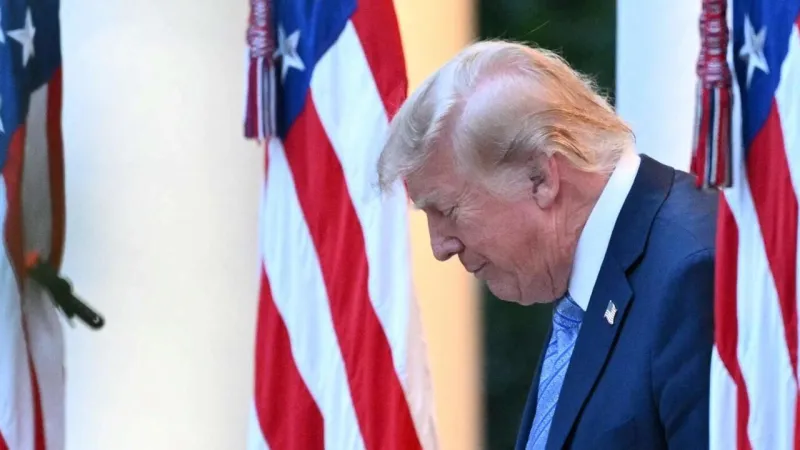
President Donald Trump has taken the unprecedented step of formally barring three prominent news organizations – CNN, MSNBC, and Politico – from accessing the White House, escalating his ongoing conflict with what he frequently labels "fake news" media. The decision, implemented recently, marks a significant curtailment of press access to the nations highest office.
The White House confirmed the exclusion of these outlets, which President Trump has consistently targeted with sharp criticism throughout his administration. This action follows a pattern of heightened rhetoric against news organizations perceived as critical of his policies and presidency. The President has repeatedly accused these particular networks of biased reporting and disseminating false information.
This move has drawn immediate condemnation from across the journalism spectrum. An editor from The New York Times, speaking on condition of anonymity due to the sensitive nature of the topic, described President Trump as "the most hostile US president to the press" in recent memory.
The exclusion is not merely symbolic. It prohibits reporters and camera crews from these outlets from attending White House briefings, press conferences, and other events that grant direct access to administration officials, including the President himself. This severely impacts their ability to directly question officials and cover federal government operations from within the executive mansion.
The decision has ignited a fierce debate about the role of a free press in a democratic society and the boundaries of presidential authority regarding media access. Critics argue that limiting access to legitimate news organizations undermines transparency and the publics right to information.
For CNN and MSNBC, two major cable news networks, and Politico, a leading digital publication focused on politics, the ban represents a direct challenge to their operational capabilities in covering the federal government. These outlets typically maintain robust White House correspondent teams.
White House press officials have not provided specific, detailed justifications for the ban beyond the general "fake news" accusations. This lack of transparency has fueled concerns among press freedom advocates regarding due process and the criteria for such severe restrictions.
This latest development continues a strained relationship between the Trump administration and numerous media outlets. Early in his presidency, debates over access and credentials were common, but an outright ban of multiple major organizations represents a significant escalation.
Journalistic organizations, including the White House Correspondents Association, are expected to issue formal responses and potentially challenge the legality and ethics of the administration's actions. The association has historically championed broad press access to ensure comprehensive coverage.
The implications extend beyond the affected newsrooms. Observers suggest this move could further polarize the media landscape, with supporters of the administration potentially seeing it as a justified rebuke of perceived bias, while critics will view it as an attack on core democratic principles.
Experts in constitutional law are examining whether such a sweeping ban infringes upon First Amendment protections related to freedom of the press, particularly when applied selectively to certain news organizations. While the White House has discretion over its grounds, outright exclusion based on content criticism faces scrutiny.
The Washington, D.C. media community is grappling with the ramifications, debating how to cover an administration that actively seeks to limit access for specific outlets. This situation challenges traditional norms of interaction between the presidency and the press.
This incident also prompts a broader discussion about media credibility and public trust in journalism, issues that have been central to political discourse in recent years. The White House framing of "fake news" continues to resonate with segments of the electorate.
The decision arrives amidst a political climate already charged with intense partisan divisions. The President's actions are likely to solidify support among his base, who often express distrust of mainstream media, while further alienating critics.
The international community, which often looks to the United States as a beacon of press freedom, may also scrutinize this development. Restricting access for major media outlets could set a concerning precedent globally for governments seeking to control narratives.
The long-term effects on White House press coverage and the relationship between the executive branch and the press corps remain to be seen. However, this ban marks a notable chapter in the ongoing evolution of media access under the current administration.