 Demian Sahputra
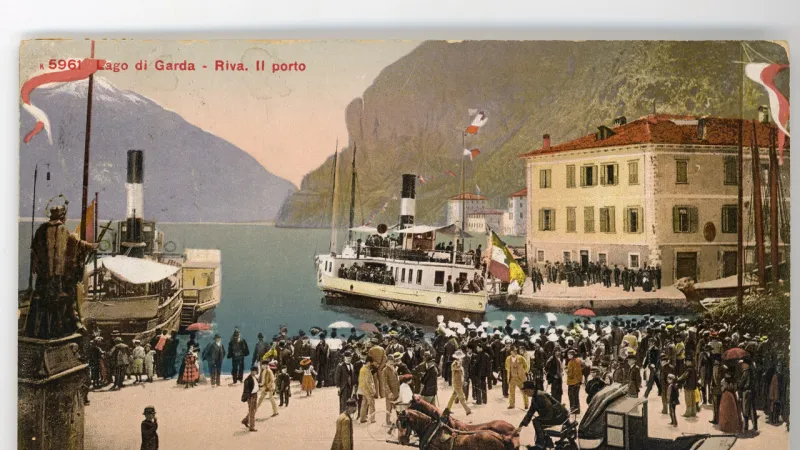
Lake Garda, Italy – Over a century of Italian vacation customs and societal shifts unfurl through a compelling exhibition of historical posters and billboards from Lake Garda, revealing a dramatic transformation from the exclusive leisure of the Belle Epoque to the pervasive, visually driven tourism of the 2026 Instagram era. This unique retrospective offers a vivid chronicle of how economic prosperity, evolving social norms, and technological advancements have reshaped the quintessential Italian getaway.
The early 20th century, particularly the Belle Epoque, painted a picture of aristocratic elegance and serene indulgence. Posters from this period often depicted well-dressed elites partaking in leisurely strolls, lakeside boating, and quiet contemplation amidst opulent natural backdrops. Vacationing was a luxury reserved for a privileged few, emphasizing tranquility, sophisticated pastimes, and a retreat from urban bustle.
Following the devastation of World War II, Italy experienced an economic boom, the “miracolo economico,” which democratized leisure. The 1950s and 60s saw the rise of mass tourism, with families increasingly able to afford annual holidays. Advertising shifted to portray vibrant, accessible destinations, fostering an image of sun-drenched beaches and lively, communal experiences. Lake Garda, along with other Italian destinations, became a symbol of this newfound national prosperity and accessibility.
The advertising from mid-century prominently featured families enjoying simple pleasures: children building sandcastles, parents relaxing by the water, and group activities. These images underscored a collective cultural emphasis on family unity and the restorative power of a shared holiday, reflecting a society rebuilding and cherishing its domestic values.
The late 20th century introduced package holidays, making international travel more affordable and convenient for a broader demographic. While not directly focused on Garda in isolation, this trend influenced how Italians viewed and planned their internal holidays. Destinations like Garda adapted by offering more structured entertainment, organized tours, and varied accommodation options to cater to this expanding market.
The advent of the internet and, more profoundly, social media platforms like Instagram in the 21st century, dramatically altered the landscape of tourism. Today, the motivation for travel often includes the desire to capture and share visually appealing experiences. Posters and digital advertisements now feature aspirational, perfectly framed moments, encouraging visitors to become their own content creators.
Lake Garda, a perennial jewel in Italy's tourism crown, has effectively adapted to these contemporary demands. Its picturesque landscapes, historic towns, and vibrant watersports offer endless opportunities for compelling photographs and videos, cementing its status as an “Instagrammable” destination. This shift reflects a global trend where visual appeal and shareability drive travel choices.
The exhibition highlights how tourism advertising not only reflects but also shapes cultural identity. Early posters emphasized Italian grandeur and natural beauty, fostering national pride. Later campaigns aimed at attracting international visitors, showcasing Italys diverse offerings. The current emphasis on “experiential” tourism, often documented online, suggests a desire for personal storytelling and unique encounters within the broader Italian narrative.
The evolution of Italian vacation customs has had a significant economic impact. From boutique hotels catering to the elite to expansive resorts serving mass tourism, and now to digitally driven marketing campaigns, the industry continuously reinvents itself to capture tourist spending. This sustained innovation remains vital for local economies, particularly in regions like Garda.
More recently, there is a growing recognition of the environmental impact of tourism. While historical posters focused purely on idyllic images, contemporary discussions around tourism, especially in sensitive natural areas like Lake Garda, increasingly incorporate themes of sustainability and responsible travel. This is a subtle yet important shift in the narrative.
The retrospective implicitly poses questions about the future of Italian vacation trends. Will sustainability become the predominant theme in tourism marketing? How will emerging technologies continue to reshape the travel experience? The trajectory from quiet contemplation to digital curation suggests a continuous adaptation to societal values and technological capabilities.
This local exhibition from Garda resonates with broader shifts across Italy. For instance, the recent decision by Rimini to greenlight new beachfront activities, including dancing and pools, signifies a nationwide move towards modernizing and diversifying the Italian tourism offering, aiming to capture a younger, more dynamic demographic. Such policy changes underscore the ongoing evolution of Italy's approach to leisure and hospitality. Rimini Greenlights Beachfront Dancing, Pools in Major Tourism Shift