 Angela Stefani
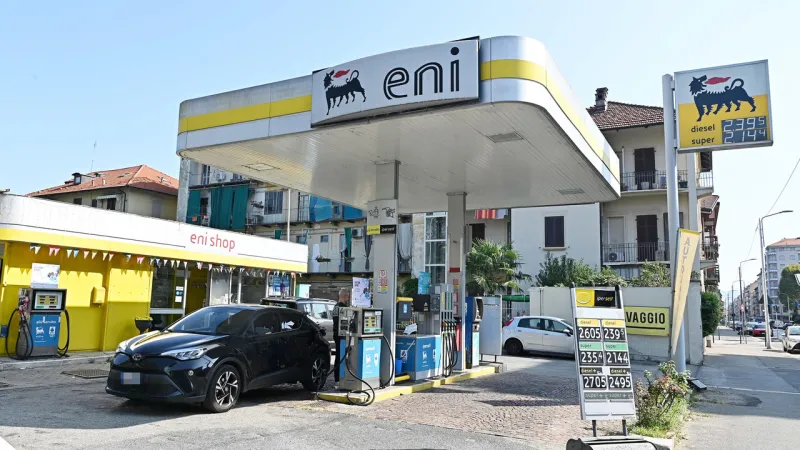
ROME, Italy – A significant cap on Eni fuel prices is set to take effect this Monday across Italy, a policy shift that Forza Italia swiftly claimed as a critical political achievement. The initiative aims to stabilize consumer costs at the pump while, according to party officials, successfully averting the imposition of windfall profit taxes on energy companies.
Antonio Tajani, a prominent figure within Forza Italia, asserted that the government's strategy had effectively navigated the complexities of the energy market to prevent additional taxation on corporate extra profits. This move has been met with mixed reactions, with consumers immediately pressing for the measure to be expanded beyond a single major energy provider.
Starting next week, Eni service stations will implement the new pricing structure, a direct consequence of intense political negotiations and public pressure concerning volatile energy costs. This development signals a proactive stance by the Italian government to intervene in a market segment that directly impacts household budgets and national economic stability.
The decision to cap prices for Eni, one of Italy's largest energy corporations, reflects a delicate balance between consumer protection and industrial considerations. The government appears to favor direct price intervention over a broad tax on energy companies, a policy direction that has drawn both praise from industry advocates and skepticism from those concerned about corporate accountability.
Consumer advocacy groups across the nation swiftly responded to the announcement, welcoming the initial cap but underscoring the necessity for its wider implementation. They argue that restricting the measure to Eni alone provides insufficient relief for the general populace, many of whom rely on other fuel distributors or seek more comprehensive safeguards against fluctuating fuel prices.
The debate over energy company profits and consumer pricing has been a contentious issue throughout Europe, especially in the wake of geopolitical events impacting global supply chains. Italy's approach offers a distinct alternative to imposing direct taxes on what some economists term unjustified gains by energy firms during periods of heightened market volatility.
Forza Italia's swift claim of victory highlights the party's strategic positioning within the ruling coalition, aiming to demonstrate its effectiveness in addressing core economic concerns of the electorate. This political maneuvering comes as the nation grapples with broader economic forecasts, even as Italy defies energy shocks and Moody's projects GDP growth.
Economists and market analysts are closely observing the impact of this price cap. Initial assessments suggest that while it may provide immediate relief to some consumers, its long-term efficacy will depend on market dynamics and the willingness of other energy companies to follow suit or be compelled to do so.
The measure also reignites discussions about government intervention in free markets and the balance between capitalist principles and social welfare. Critics of direct price caps often warn of potential market distortions or disincentives for investment, while proponents emphasize the state's role in safeguarding citizens from undue economic burdens.
The coming weeks will be crucial in determining the immediate ripple effects of the Eni fuel price cap. As consumers anticipate lower costs at one major provider, the persistent calls for a more extensive application of such measures will continue to shape the national dialogue on energy policy and economic equity.
This policy intervention represents a critical juncture for Italy, signaling a government prepared to employ targeted measures to influence market outcomes. The success of this cap could pave the way for similar actions or intensify the push for broader regulatory reforms in the countrys energy sector.