 Demian Sahputra
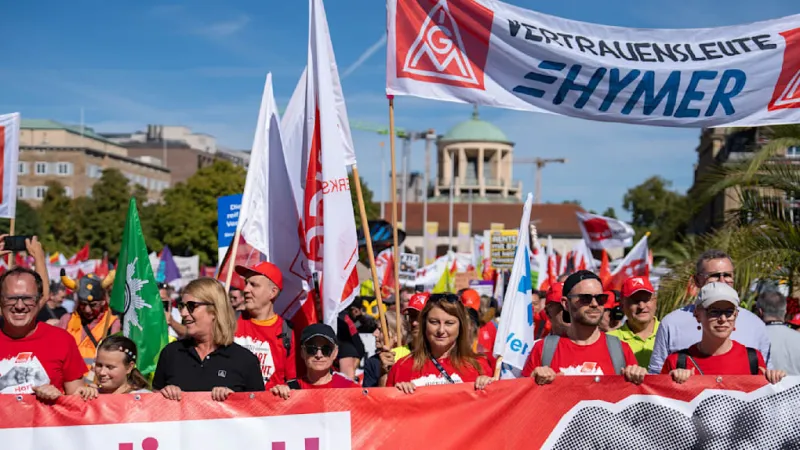
BERLIN and 14 other major cities across Germany witnessed massive demonstrations today as approximately 175,000 people took to the streets to protest looming social welfare cuts. Organized by the powerful German Trade Union Confederation (DGB), the nationwide rallies aimed to pressure the federal government into preserving social security, ensuring robust working conditions, and stabilizing pensions amidst increasing economic anxieties.
The DGB, representing millions of workers, initiated the coordinated actions to send an unequivocal message to policymakers. Protesters gathered in significant numbers from Hamburg to Munich, carrying banners and chanting slogans demanding governmental accountability for the nation's social safety net. Organizers reported peaceful yet determined gatherings in each location.
Demonstrators voiced widespread concern over proposals perceived to erode the fabric of German social welfare. Central to their grievances are potential reductions in unemployment benefits, stricter eligibility criteria for social assistance, and a perceived lack of commitment to long-term pension security. The DGB maintains that these measures disproportionately affect vulnerable populations and could exacerbate economic inequality.
Yasmin Fahimi, Chairperson of the DGB, addressed crowds in the capital, stating, "We will not stand idly by while the foundations of our social state are chipped away. The federal government must prioritize the needs of working families and retirees over fiscal austerity that harms our society." Her remarks underscored the union's resolve to continue advocating for workers' rights.
While the DGB asserts its right to advocate for its members, employer associations have sharply criticized the union's approach, labeling it as alarmist and counterproductive. They argue that economic realities necessitate reforms to the social welfare system to ensure its long-term viability and to remain competitive in a challenging global market.
Michael Huether, Director of the German Economic Institute, commented, "While we recognize the DGB's concerns, the government faces difficult decisions to balance budgets and foster economic growth. Blanket opposition to reform without constructive alternatives is unhelpful." This perspective highlights the deep divide between labor and capital on the path forward for German economic policy.
The protests unfold against a backdrop of complex economic pressures, including persistent inflation and the ongoing challenges of energy security. Citizens are increasingly feeling the strain of rising living costs, making issues of social security and affordable living paramount in public discourse. Broader European discussions on social policy, including concerns raised during the EU Asylum Overhaul Sparks Left Labour Warning: Societal Destabilization Looms debate, reflect similar anxieties across the continent.
Politically, the demonstrations place renewed pressure on the ruling coalition, which has been grappling with internal disagreements over fiscal policy and social spending. The calls for stable pensions and improved working conditions resonate strongly with a significant portion of the electorate, potentially influencing future election outcomes.
The timing of these protests suggests a strategic move by the DGB to influence upcoming legislative debates concerning the federal budget and social policy reforms. The union's aim is to ensure that the concerns of ordinary citizens are not overlooked in the pursuit of economic adjustments.
Similar public mobilizations have historically played a crucial role in shaping German policy, demonstrating the power of organized labor and civil society. Echoes of past youth mobilizations, such as the German Youth Revolt: Thousands Protest Potential Conscription, underscore the enduring tradition of public dissent in Germany.
As the government weighs its next steps, the DGB has indicated that further actions could follow if their demands are not adequately addressed. The sheer scale of today's protests against social welfare cuts signals a significant challenge for Chancellor Olaf Scholz's administration as it navigates economic austerity measures and public expectations. The ongoing political tensions within the ruling coalition, as previously reported in German Parties Grapple: AfD, BSW Probe Controversies; Left Eyes Coalition, add another layer of complexity to these urgent discussions.
The debate over the future of social welfare in Germany is far from over, with labor unions committed to safeguarding workers' rights and employer associations advocating for necessary reforms. The public outcry from 175,000 demonstrators today ensures these critical issues remain at the forefront of the national agenda.