 Stefani Rindus
Berlin, Sachsen-Anhalt — Germanys political landscape is currently defined by a series of critical exploratory talks, with the far-right Alternative for Germany (AfD) and the Bündnis Sahra Wagenknecht (BSW) conducting discussions in Sachsen-Anhalt focusing on media and pandemic-related issues, while the Left Party in Berlin simultaneously approved talks with the Social Democrats (SPD) and the Greens.
These concurrent developments underscore a dynamic period in German politics, where parties are navigating complex ideological alignments and strategic objectives. The outcomes of these initial discussions could significantly influence regional governance and send ripple effects through the national political discourse.
In Sachsen-Anhalt, the exploratory talks between the AfD and BSW have drawn considerable attention due to their specific agenda. Central to their discussions are the operations of the Mitteldeutscher Rundfunk (MDR), a prominent public broadcaster, and the legacy of the Corona Committee.
The focus on MDR indicates a shared interest from both parties in scrutinizing public media institutions, potentially driven by criticisms regarding their perceived bias or funding models. This approach aligns with a broader trend among certain political factions to challenge traditional media narratives.
Furthermore, the inclusion of the Corona Committee in the AfD-BSW agenda points to a desire to re-evaluate the governments pandemic response and its associated policies. Such an emphasis often resonates with segments of the electorate critical of past lockdown measures and vaccination campaigns, aiming to name those deemed responsible and hold them accountable, as the original German discussions indicated.
These discussions in Sachsen-Anhalt represent a significant moment, as they involve two parties often characterized by their populist stances and skepticism towards established institutions. The nature of their exploratory talks suggests an effort to find common ground on issues that galvanize their respective bases.
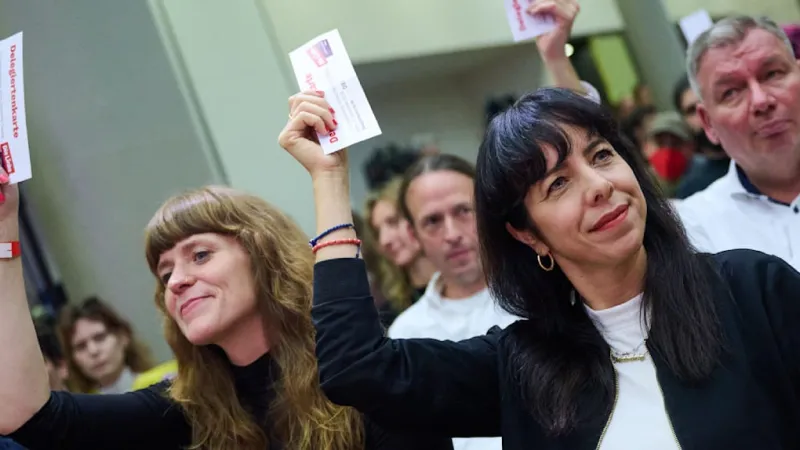
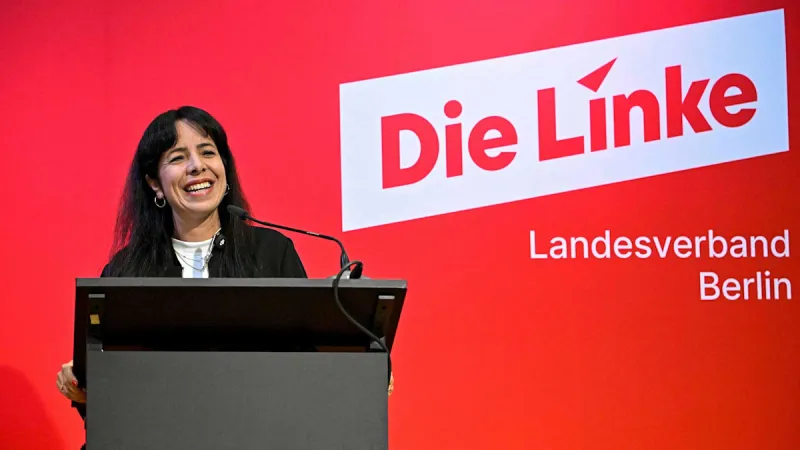
Simultaneously, in the capital city of Berlin, the Left Party has taken a decisive step by voting in favor of exploratory talks with the SPD and the Greens. This move signals a potential pathway towards forming a new governing coalition for the city-state, which has long been a bastion of progressive politics.
The Left Partys decision comes amid internal deliberations and strategic re-alignments within the party itself. Such coalition overtures are often accompanied by significant internal debate, as explored in recent analyses like Berlin Left Party Faces Internal Strife Amid Coalition Overtures.
The potential tripartite alliance between the Left, SPD, and Greens in Berlin would aim to forge a progressive coalition capable of addressing the citys pressing issues, from housing affordability to climate policy. The successful formation of such a government would also carry symbolic weight for the broader left-liberal political spectrum in Germany.
These parallel sets of exploratory talks highlight the multifaceted challenges and opportunities facing German political parties in 2026. While one set of discussions focuses on re-evaluating past governmental actions and media roles, the other is intently focused on future governance and coalition building.
The outcomes of these regional negotiations could provide a barometer for national political trends. The willingness of parties to engage in such diverse dialogues reflects a period of fluidity, where traditional political boundaries are increasingly being tested and redefined.
Analysts are closely monitoring these developments, recognizing that regional political shifts can often foreshadow broader national alignments or disaffections. The current period of intense exploratory talks suggests a critical juncture for Germanys democratic landscape.