 Chris Robert
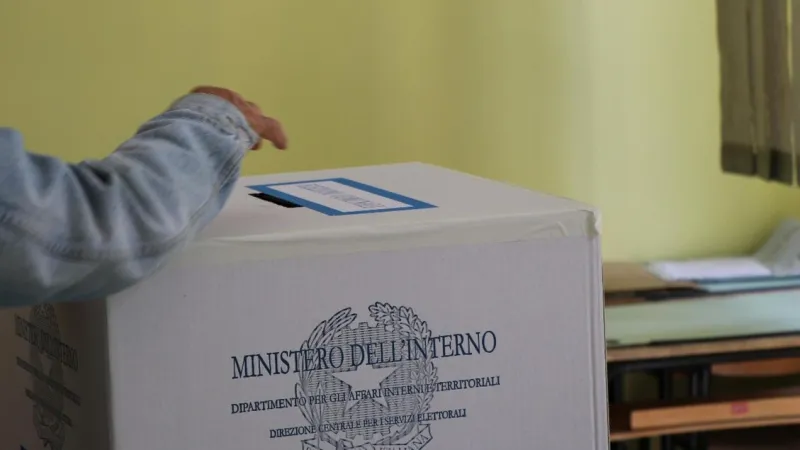
ROME - Voter participation has plummeted in Italy's crucial local runoff elections, which conclude this afternoon across six regional capitals and 35 additional cities. Polls remain open until 3 p.m. local time, but initial figures reveal a sharp decline in turnout compared to the first round.
By 7 p.m. yesterday, only 28.2 percent of eligible voters had cast their ballots, a significant decrease from the 36 percent recorded at the same time during the initial voting phase two weeks prior. This trend raises concerns about voter engagement in the nation's democratic processes.
The runoffs encompass a wide array of municipalities, ranging from prominent regional centers to smaller urban areas. These elections are instrumental in shaping local governance and political landscapes throughout the country.
In addition to the runoff contests, 148 municipalities on the island of Sardinia are also holding their first-round elections today. This separate electoral event adds another layer to Italy's ongoing democratic exercise, though specific turnout data for Sardinia's initial phase was not immediately available.
Analysts suggest that a reduced voter turnout could disproportionately impact certain candidates or political blocs, potentially leading to less representative local administrations. The outcome will be closely scrutinized for shifts in public sentiment.
These local elections often serve as a barometer for national political sentiment, even if they primarily concern municipal issues. Political parties monitor results for insights into voter mood ahead of future general elections, making the turnout figures particularly important.
The ongoing electoral processes occur as Italy navigates various economic and social challenges. The nation recently debated its debt amnesty extension, a significant financial policy matter that highlights the broader governmental context. More information on this can be found in a related article: Italy Debates Debt Amnesty Extension As Deadline Looms.
Voters are selecting mayors and members of city councils, deciding on local policies that directly affect daily life, including infrastructure, public services, and urban development. The choices made today will resonate throughout communities for years.
Historically, runoff elections in Italy sometimes experience lower turnout compared to the first round, as some voters may feel less compelled to participate once their preferred candidate is no longer in contention or the field is narrowed. However, the current decline appears particularly stark, prompting questions about civic disengagement.
Once polls officially close at 3 p.m. local time, vote counting will commence immediately. Preliminary results are expected later this afternoon, with more comprehensive and official declarations following into the evening or early morning hours.
Political observers will be keen to analyze the demographic breakdown of voters and non-voters to understand the underlying reasons for this decreased engagement. Factors such as economic conditions, local political scandals, or a perceived lack of viable options could contribute to the reluctance to vote.
The results of these municipal contests could significantly influence coalition dynamics and leadership within various regional and local governing bodies, setting the stage for future political maneuvers and affecting policy implementation across the peninsula.