 Chandra Wijayanto
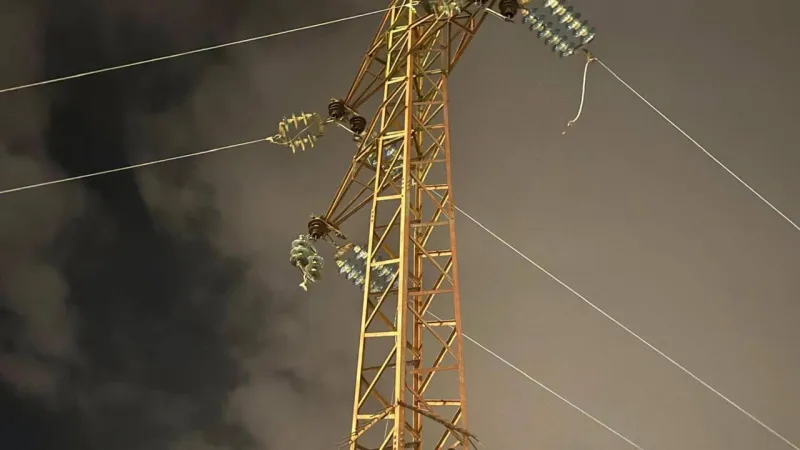
A 15-year-old boy met a tragic end after being electrocuted on a 20-meter high electricity pylon in Italy's Lodigiano region, with authorities intensely investigating the hypothesis that he was attempting a perilous social media challenge, likely involving a selfie. The fatal incident unfolded recently, leaving the local community in profound shock and prompting renewed concerns about the dangers of online trends.
Emergency services, including paramedics and fire brigades, responded swiftly to the scene after reports of a youth on the towering structure. Despite their rapid deployment, first responders could only confirm the boy's death, finding him at a significant height on the high-tension pylon. Preliminary assessments indicate electrocution as the cause, a stark reminder of the immense hazards associated with such infrastructure.
High-voltage electricity pylons carry currents of extreme power, making any unauthorized contact or proximity incredibly dangerous. Warning signs are typically posted to deter individuals from climbing or even approaching these structures, yet the allure of an extreme act for online visibility appears to have tragically overridden these critical safety precautions.
The investigation is focusing on witness accounts and potential digital evidence from the victim's phone or social media profiles. Law enforcement seeks to determine if a specific dare or trend circulating on platforms like TikTok or Instagram prompted the teenager to scale the hazardous tower. This pattern of risk-taking for virtual validation has unfortunately become a recurring theme in recent years.
Social media platforms, while connecting millions, have inadvertently fostered a culture where dangerous challenges can quickly gain traction, encouraging users, particularly adolescents, to engage in reckless acts. These trends often prioritize viral potential over personal safety, leading to severe injuries or, as in this heartbreaking case, fatalities.
Experts in adolescent psychology and digital safety frequently warn about the susceptibility of young people to peer pressure and the desire for recognition in online spaces. The underdeveloped frontal lobe in teenagers can impair their ability to fully assess risks, making them more prone to engaging in high-stakes behaviors for social media applause.
This devastating event underscores the critical need for comprehensive digital literacy education for young people and robust parental oversight. While schools and public campaigns often address online safety, the evolving nature of social media challenges demands constant vigilance and updated guidance for both children and guardians.
Authorities are expected to examine the incident thoroughly, not only to understand the direct circumstances of the boy's death but also to consider broader measures that might prevent similar tragedies. This includes potential collaborations with social media companies to flag and remove dangerous content, alongside intensified public awareness initiatives.
The Lodigiano community mourns the loss of a young life, a stark and somber reminder of the devastating consequences that can arise from the intersection of youthful impulsivity and the pervasive influence of online dares. The tragedy serves as a potent warning against the profound dangers lurking behind seemingly innocuous online trends.
This incident also reignites conversations among educators and policy makers about the responsibility of technology companies. Many argue that platforms bear a greater duty to safeguard their younger users from content that promotes or normalizes dangerous stunts, advocating for more proactive content moderation and safety features.
The sheer height of the pylon, approximately 20 meters, highlights the extreme nature of the social media challenge the boy may have been attempting. Such an ascent requires not only physical effort but a profound disregard for the inherent dangers, suggesting a powerful external motivation, likely rooted in the pursuit of online notoriety.
As the investigation continues, the focus remains on understanding the full scope of this incident and identifying any contributing factors beyond the immediate act. The hope is that through this tragic loss, a renewed emphasis on youth safety in the digital realm can be firmly established, protecting other lives from similar fates.