 Angela Stefani
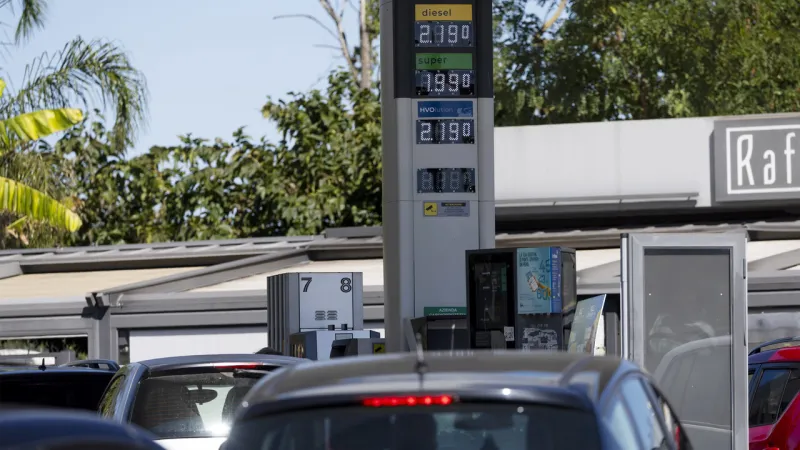
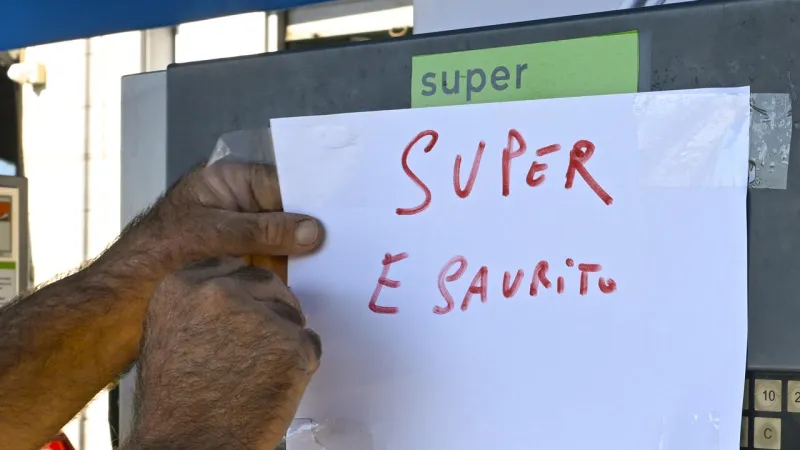
ROME – Q8, a prominent fuel retailer in Italy, has announced the implementation of a fuel price cap, a strategic move aimed at stabilizing consumer costs amidst fluctuating energy markets. This development comes as the Italian government, through Minister Gilberto Pichetto Fratin, confirmed the continuation of a crucial diesel discount, effective from October 6, 2026.
The Ministry of Enterprises and Made in Italy (Mimit) underscored the broader trend of decreasing fuel prices across the nation. Mimit reported that self-service gasoline prices on Italian highways have dropped below 2.2 euros per liter, while diesel currently stands at 2.383 euros per liter.
This initiative by Q8 aligns with governmental efforts to mitigate the impact of energy costs on households and businesses. The decision to cap prices by a major player like Q8 is expected to exert downward pressure on competitors and provide a measure of predictability for motorists.
Minister Pichetto Fratin, addressing the ongoing energy landscape, emphasized the government's commitment to supporting citizens. He stated, "The discount on diesel will continue from October 6," signaling sustained relief for a vital sector of the Italian economy, particularly for transportation and logistics.
The continuity of the diesel discount reflects a proactive stance by the Italian administration to safeguard economic stability. Such measures are particularly pertinent in an environment where global energy prices remain susceptible to geopolitical shifts and supply chain disruptions.
Industry analysts view Q8s price cap as a significant market intervention, potentially setting a precedent for other retailers. It suggests a growing recognition within the private sector of the need to collaborate, implicitly or explicitly, with government policies to ensure consumer affordability.
The falling prices observed by Mimit, with gasoline dipping below 2.2 euros, represent a welcome respite for drivers. This downward trajectory contrasts with periods of elevated energy costs that have characterized recent years, easing inflationary pressures on the wider economy.
For Italian consumers, the combined effect of a price cap from Q8 and the extended diesel discount means tangible savings at the pump. This financial relief can translate into greater disposable income or reduced operational costs for businesses reliant on transportation.
This market dynamic is not isolated. Other major fuel companies have previously taken similar steps. For instance, Eni implemented a fuel price cap amid Italian market fluctuations earlier, highlighting a broader industry response to public and governmental pressures.
The current situation also prompts a renewed focus on prudent energy consumption. Experts continue to advise consumers to optimize gas contracts amidst shifting market dynamics, ensuring they benefit from the most favorable conditions available.
As Italy navigates the complexities of global energy markets, these domestic policy and corporate actions play a crucial role in maintaining economic equilibrium and supporting the populace. The government monitors these trends closely to adapt policies as needed.
The implications extend beyond mere fuel prices, influencing inflation rates, logistical expenses for industries, and the broader cost of living. Sustained efforts to manage energy costs are pivotal for Italys economic resilience in 2026.
The collaboration between government and industry, as exemplified by these actions, is vital for fostering consumer confidence and ensuring a stable energy supply chain. These proactive measures aim to protect citizens from sudden and drastic price surges.
Looking ahead, the effectiveness of these fuel price cap and discount initiatives will be closely watched. Their ability to deliver lasting benefits will depend on global oil price trends and domestic economic conditions. The Italian government remains vigilant in its approach to energy policy.