 Demian Sahputra
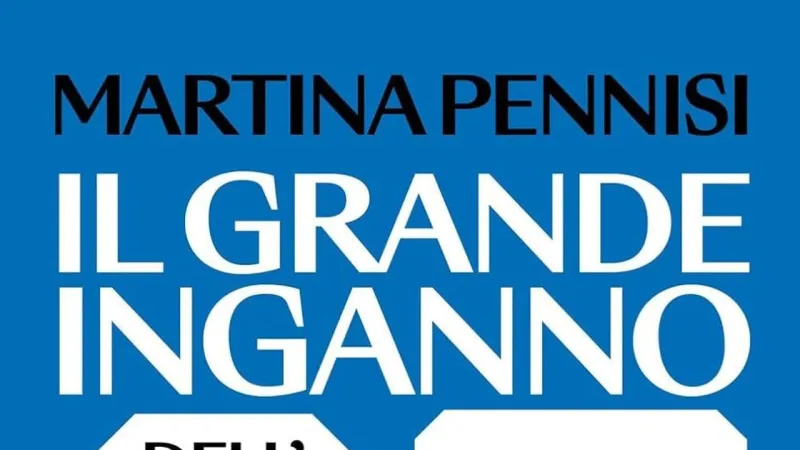
ROME – Martina Pennisi, a noted Italian author and technology commentator, has unveiled her latest essay, "Il grande inganno dell'IA" (The Great Deception of AI), initiating a critical discourse on artificial intelligence's profound societal impact, its uncertain future, and the opaque entities currently dictating its trajectory. The work, described as a crucial manual, delves into the complexities of AI, offering a framework for understanding its true nature and the power structures governing its development.
Pennisi's essay posits that widespread misconceptions surrounding artificial intelligence constitute a "great deception," suggesting a narrative often crafted to obscure the technology's true implications. She challenges readers to look beyond popular representations and consider the fundamental power dynamics at play.
A central theme explored is the question of control. Who truly holds the reins of this rapidly evolving technology? Pennisi investigates the major corporations, governmental bodies, and research institutions shaping artificial intelligence's development, highlighting concerns about transparency and accountability.
The author dedicates significant attention to the potential impact of artificial intelligence on various facets of human life, from labor markets and privacy to ethics and societal structures. Her reflections extend to forecasting the technology's future trajectory, urging a proactive and informed public discussion.
A unique feature of the manual is its presentation of "10 commandments." These principles serve as guidelines for navigating the complexities of AI, intended to empower individuals with a framework for critical engagement and responsible interaction with intelligent systems.
Martina Pennisi is renowned for her incisive commentary on technology and its intersection with society. Her previous works have often provoked thoughtful debate, establishing her as a significant voice in the Italian intellectual landscape regarding digital ethics.
The publication arrives amidst growing global apprehension and debate regarding artificial intelligence. Recent incidents, such as AI Giants Probe Tens of Thousands of Security Flaws and OpenAI Pauses Advanced AI Training Amid Alarming Incident, underscore the urgency of understanding AI's inherent risks and governance.
Pennisi advocates strongly for enhanced AI literacy among the general populace. She argues that informed citizens are essential to counter potential manipulations and to ensure that artificial intelligence development aligns with broader human values, rather than purely corporate or state interests.
The "great deception" described by Pennisi is not merely a technological one but also a social and political phenomenon. It relates to how information about artificial intelligence is disseminated, perceived, and ultimately used to influence public opinion and policy decisions.
While many technologists champion AI as a panacea for global challenges, Pennisi adopts a more circumspect view. Her work aligns with a growing chorus of critics who warn against unbridled enthusiasm and call for greater regulatory oversight and ethical considerations in AI design.
Ultimately, "Il grande inganno dell'IA" serves as a timely call to action, compelling readers to move beyond passive consumption of artificial intelligence-driven narratives and to actively participate in shaping a future where AI serves humanity equitably and transparently.