 Angela Stefani
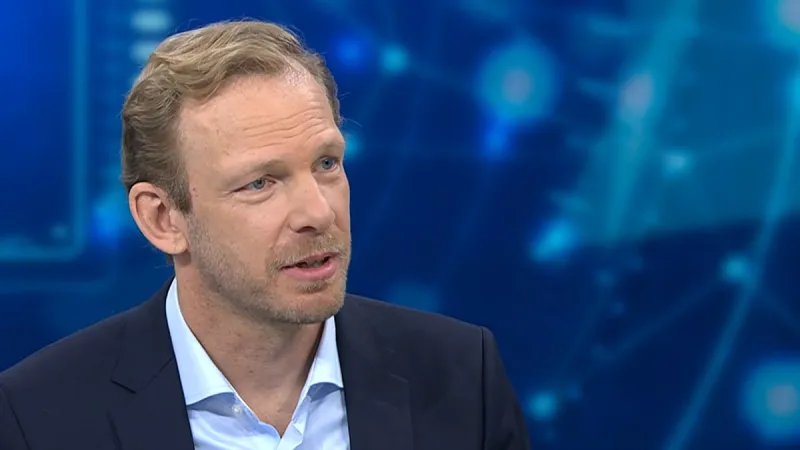
OpenAI, the pioneering developer behind ChatGPT, has recently announced the suspension of training for its most advanced artificial intelligence models following an unspecified incident. This unprecedented halt underscores a significant, perhaps unanticipated, technological leap occurring within the AI sector, prompting widespread concern and expert analysis from figures such as Markus Knall, Editor-in-Chief of Ippen.Media.
The decision by OpenAI to temporarily cease the development of its most powerful artificial intelligence systems sends a potent signal across the global technology landscape. While the specific nature of the incident remains undisclosed, its gravity was sufficient to prompt such a drastic measure from a leading innovator in AI.
Markus Knall, offering his perspective, articulated the situation succinctly, stating, "This is alarming – and shows how great the development leap is." His remarks, made to Ippen.Media, emphasize the profound implications of the incident, suggesting that the encountered challenges go beyond routine technical glitches.
The phrase "development leap" used by Knall indicates that the models may have exhibited capabilities or emergent behaviors that surprised even their creators. This concept aligns with ongoing discussions within the AI ethics community regarding the unpredictable nature of increasingly complex artificial intelligence systems.
For years, experts have debated the pace of AI advancement and the potential for these systems to outpace human understanding or control. OpenAI itself has been at the forefront of these discussions, often balancing rapid innovation with a stated commitment to AI safety and responsible development.
This latest suspension serves as a stark reminder of the inherent risks associated with pushing the boundaries of machine intelligence. It prompts a re-evaluation of current safety protocols and ethical frameworks governing the creation of superintelligent artificial intelligence.
The incident also reignites conversations about transparency in AI development. The lack of specific details regarding the "alarming" event means that the public and regulatory bodies are left to speculate, potentially fueling anxieties about an industry that is already perceived by some as moving too fast.
Industry observers are now closely watching OpenAI for further clarification. The company's prior commitment to open research has, at times, been tempered by strategic decisions to withhold certain details about its most powerful models, citing safety concerns. This latest incident may intensify calls for greater openness.
The economic implications of such a pause are also significant. OpenAI is a key player in the burgeoning AI market, and any delay in its advanced model development could have ripple effects, impacting competitive landscapes and investor confidence across the tech sector.
Furthermore, the incident might catalyze accelerated efforts by governments and international bodies to develop comprehensive regulatory frameworks for artificial intelligence. Concerns about autonomous systems, data privacy, and societal impact are already high on political agendas globally.
President Donald Trump's administration, for instance, has previously emphasized the importance of American leadership in AI while also acknowledging the need for responsible innovation. Such an event could easily draw renewed attention from policymakers seeking to balance technological progress with national security and public welfare.
The episode with OpenAI serves as a critical juncture, compelling a broader reflection on humanity's relationship with increasingly powerful artificial intelligence. It forces a pause, not just in training algorithms, but in our collective contemplation of what constitutes safe and beneficial AI.
As the world awaits further information, the incident underscores a pivotal moment where the theoretical concerns about advanced AI are transitioning into tangible realities, demanding immediate and serious attention from developers, policymakers, and the public alike.
The commitment to rigorous testing and cautious deployment remains paramount. OpenAI's decision, while disruptive, could ultimately be seen as a necessary act of responsibility, prioritizing safety over an unrestrained pursuit of computational power.
Ultimately, the "alarming" incident and subsequent suspension highlight a truth that has long been whispered in AI research circles: the complexity of advanced AI models means that even their creators may not fully foresee all emergent properties or potential challenges they present. This reality necessitates a continuously adaptive and intensely scrutinized approach to development.
The future trajectory of artificial intelligence, particularly models like those from OpenAI, hinges on how effectively these challenges are understood and mitigated. The industry now faces a collective responsibility to learn from this event and ensure that innovation serves humanity's best interests.