Gabriella

London – The United Kingdom Labour government has officially adopted a definition of anti-Muslim hatred, a move critics contend could inadvertently curtail free speech and legitimate public discourse regarding Islam. This decision comes despite the nations long-held reputation as a global bastion of free expression and robust debate.
The new definition, rooted in the concept of Muslim-feindlichkeit or anti-Muslim hostility, aims to combat prejudice and discrimination faced by Muslim communities. Proponents argue it provides a necessary framework for recognizing and addressing hate-motivated incidents, aligning with efforts to protect minority groups.
However, the resolution has ignited significant apprehension among a diverse coalition of academics, journalists, and civil liberties advocates. They argue that the adopted language risks blurring the crucial distinction between prejudice against Muslim individuals and critical analysis of Islamic ideology or practices.
Historically, the United Kingdom has served as a sanctuary for intellectual dissent and open dialogue, allowing for comprehensive scrutiny of all beliefs and institutions. This new policy introduces a potentially chilling effect, threatening the very essence of that liberal tradition.
Critics particularly emphasize that while hatred toward any group is unequivocally unacceptable, the ability to critically examine religious tenets, political movements, or cultural norms is fundamental to a healthy democracy. They fear the definition could be weaponized to silence valid commentary.
Legal experts are scrutinizing the potential ramifications for public figures, media outlets, and everyday citizens. Concerns revolve around whether critical opinions, historical analyses, or satirical content pertaining to Islam could be misconstrued as hate speech, leading to investigations or self-censorship.
The Labour Partys stated intention behind the definition is to foster inclusivity and safeguard communities from bigotry. Supporters highlight the rising tide of Islamophobia and the need for clear guidance to law enforcement and public bodies on how to address it effectively.
This debate echoes similar controversies surrounding definitions of antisemitism, such as the International Holocaust Remembrance Alliance working definition, which has also generated discussions about its impact on criticism of Israel and the broader scope of academic freedom. For instance, questions surrounding political ties and alleged antisemitism have been raised concerning certain European political factions, as highlighted in reports like Hamburg Warns Against Berlin Left Partys Antisemitic Government Ties.
Such definitions, while intended to combat hatred, often face scrutiny regarding their precise wording and potential for expansive interpretation. The challenges of distinguishing between legitimate critique and outright prejudice are profound and complex.
Free speech advocates warn that an overly broad definition could stifle important discussions on issues like integration, gender equality within religious communities, or the influence of religious extremism. The fear is that the label of anti-Muslim hatred might be applied to any dissenting voice.
Organisations dedicated to protecting UK free speech are urging the government to review the definition, advocating for clearer language that explicitly protects the right to debate, dissent, and even offend, without endorsing hatred or discrimination against individuals.
The Labour government has yet to indicate any intention to revise the definition, maintaining its position that the measure is vital for protecting Muslim citizens from an undeniable rise in targeted hostility. This stance places the emphasis on communal protection above all else.
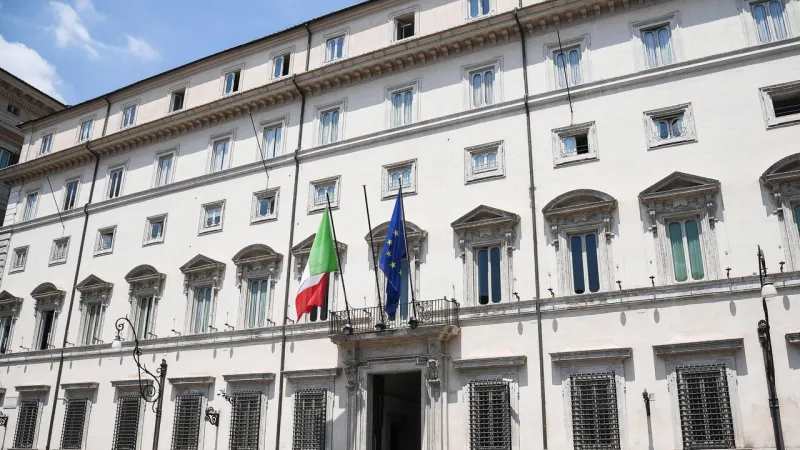
Observers note the delicate balance governments worldwide face between protecting vulnerable populations from hate and upholding fundamental civil liberties. Other European nations are also navigating similar legislative challenges, such as Italys proposals regarding religious attire, detailed in Italy Proposes Burqa Fines, Student Caps in Sweeping School Decree.
The outcome of this policy will likely set a significant precedent for UK free speech, shaping how public discourse on religion and identity is conducted in the years to come. The international community, particularly nations grappling with similar tensions, watches closely.
The tension between protecting minority groups from genuine hatred and preserving the ability to criticize ideas, even controversial ones, forms the core of this ongoing national dialogue. The United Kingdoms commitment to unhindered expression faces a substantial test with this new policy. The implications extend beyond immediate political debate, touching upon the very fabric of liberal democratic values and the future landscape of public discourse.