 Chandra Wijayanto

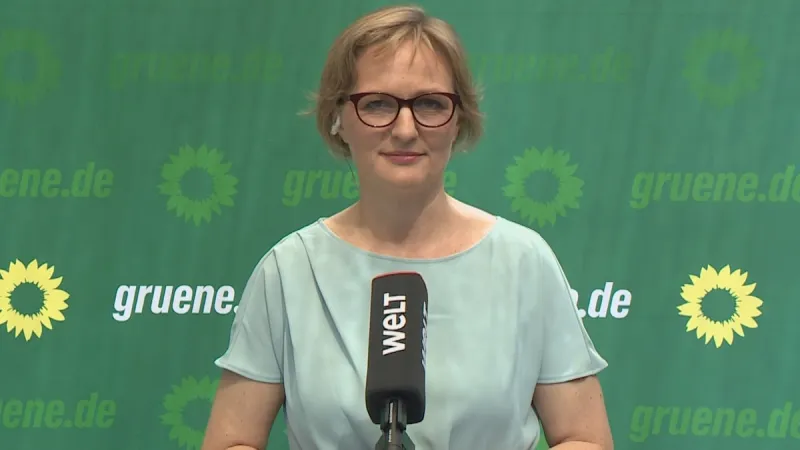
Hamburg – Hamburgs Second Mayor Katharina Fegebank issued a potent warning regarding the Berlin Left Party's potential governmental involvement following its recent election victory, citing unacceptable dependencies on antisemitic elements.
Fegebank, a prominent figure within the Green Party, specifically called for robust protection and enhanced security measures for Jewish people across Germany.
She firmly articulated her position, maintaining that any governing coalition reliant on or collaborating with antisemitic factions must be unequivocally rejected.
This forceful intervention arises in the wake of the Berlin Left Party's surprising electoral success, which has repositioned it as a potential coalition partner in the German capital.
The victory has, however, intensified pre-existing scrutiny surrounding the party's alleged ties to various extremist groups and its ambiguous stance on certain geopolitical issues. As reported previously, Berlin's Left Faces Scrutiny After Victory Amidst Clan, Antisemitism Allegations.
Critics have repeatedly highlighted instances where members or affiliates of the Berlin Left Party have faced accusations of downplaying antisemitism or maintaining problematic associations.
Previous calls for transparency and rigorous investigation into the party's internal structures and financing have emerged from multiple political observers. For further context, Berlin's Left Party Faces Demands Over Alleged Clan, Extremist Ties.
The concerns voiced by Fegebank resonate with warnings from other prominent voices within German society, including medical professionals and political commentators who have cautioned against certain alliances. A Surgeon Warns: Berlin Left Party's Islamist Alliance Threatens Germany's Future, as one related article highlighted.
Such political dependencies, critics argue, fundamentally erode public trust in democratic institutions and compromise Germany's unwavering commitment to combating hate and extremism.
Fegebank's statement underscores a broader imperative among centrist parties to safeguard democratic values and protect minority communities from prejudice.
The current political calculus in Berlin remains fluid, with various parties exploring potential coalition configurations. Fegebank's warning adds a significant moral and political hurdle to these discussions.
While focused on the capital, the Hamburg Mayor's intervention carries national weight, signaling cross-state concern about the ethical foundations of governance.
Representatives of Jewish organizations have consistently expressed apprehension regarding the rise of antisemitic sentiments, urging political leaders to take decisive action.
Germany carries a unique and profound historical responsibility to actively counter antisemitism in all its forms, making Fegebank's admonition particularly poignant.
The Berlin Left Party now faces a critical juncture, needing to address these serious allegations if it hopes to be considered a viable and credible governing partner.
Expect a clear denunciation of antisemitism and a transparent vetting process for all potential allies to be central to any future coalition negotiations.
As Second Mayor of Hamburg, Fegebank holds considerable political standing, lending substantial weight to her public statements on such sensitive and vital issues.
Her warning serves as a call for political unity across party lines to uphold the principles of tolerance and inclusion against any form of discrimination.
The debate surrounding the Berlin Left Party's fitness for government is expected to intensify as coalition talks progress in the German capital.
Ultimately, the imperative for a government free from antisemitic influences remains a cornerstone of German political discourse, vehemently asserted by figures like Katharina Fegebank.