 Robert Andrison
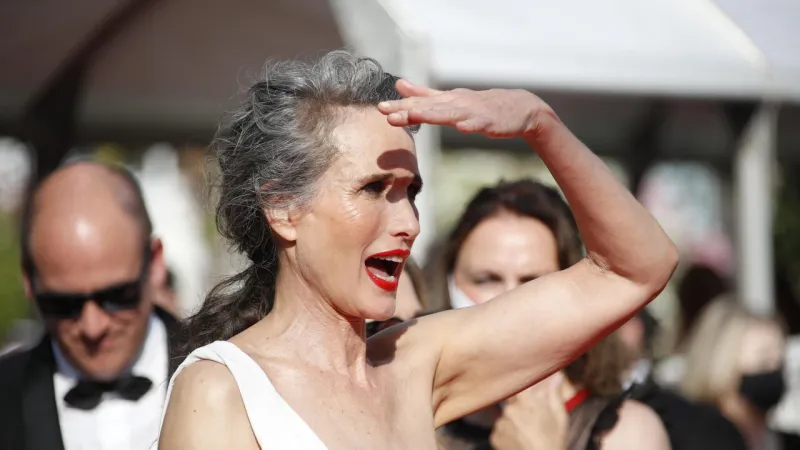
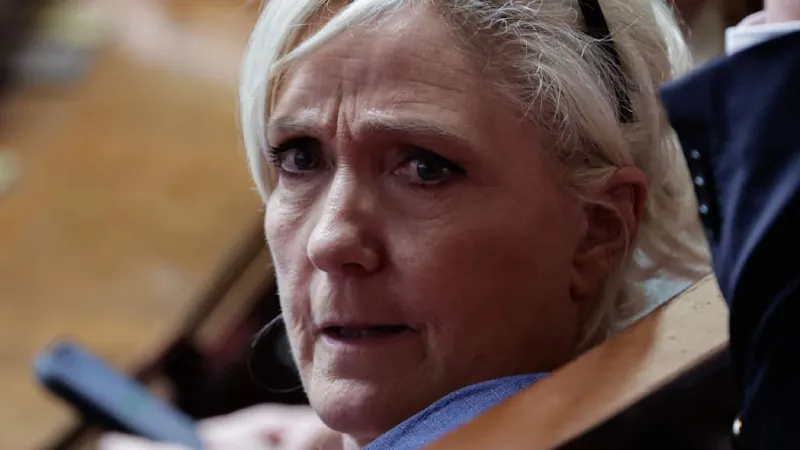
A significant cultural shift is underway across Western societies as an increasing number of women actively choose to embrace their natural gray hair, moving away from conventional societal pressures to conceal signs of aging. This phenomenon, often termed the gray hair transition, signifies a broader acceptance of authenticity and a redefinition of beauty standards in 2026, with many discovering practical methods and supportive communities to navigate this liberating journey.
This movement extends beyond mere aesthetics; it is a profound declaration of self-acceptance and a rejection of the often-unspoken expectation that women must perpetually appear youthful. For decades, societal norms dictated that graying hair was something to be hidden, often with costly and time-consuming dyeing regimens. Today, however, that narrative is being rewritten.
Advocates for embracing natural silver hair frequently cite a desire for liberation from the monthly salon appointments and the chemical processes involved in coloring. The financial and temporal commitments associated with hair dye are considerable, prompting many to seek a more sustainable and authentic approach to their appearance.
The transition period, often characterized by a noticeable demarcation line between dyed and natural hair, requires patience and a strategic approach. This phase, sometimes referred to as the grow-out, can range from a few months to several years depending on hair length and growth rate.
Various methods assist individuals during this period. Some opt for a dramatic chop, cutting off all dyed hair to reveal their natural color instantly. Others choose to let the gray grow out gradually, using temporary rinses or highlighting techniques to soften the contrast. Low-maintenance styling also becomes an ally in blending the two textures.
Once the gray hair transition is complete, a new regimen for haircare often emerges. Gray hair can possess a different texture than pigmented hair, sometimes being coarser or drier. Products specifically formulated to enhance silver tones, combat yellowing, and provide adequate moisture become essential for maintaining vibrancy and health.
Psychologically, the decision to embrace natural gray hair often correlates with a significant boost in confidence and a deeper sense of self-ownership. Women report feeling more authentic and comfortable in their own skin, fostering a powerful sense of empowerment that transcends mere physical appearance.
The rise of social media platforms has played a crucial role in amplifying this movement. Hashtags like #silverhairdontcare and #grayhairmovement connect a global community of individuals sharing tips, celebrating progress, and offering encouragement. This online camaraderie provides invaluable support for those navigating the transition.
Moreover, the beauty industry has begun to respond to this shift. While anti-aging products continue to dominate a segment of the market, there is an observable increase in haircare lines dedicated to enhancing and caring for natural gray and silver strands, reflecting changing consumer demands.
This embrace of the silver age is not just a personal choice but a broader societal statement. It challenges ageism and expands the definition of beauty to include all stages of life, promoting a more inclusive and realistic portrayal of aging. The desire to live freely at one's actual age, a sentiment encapsulated by the term silver age, permeates this growing trend.
As 2026 progresses, the momentum behind the gray hair movement shows no signs of waning. It represents a lasting testament to individuals reclaiming their personal narratives and redefining beauty on their own terms, signaling a significant evolution in cultural perceptions of aging.