 Demian Sahputra
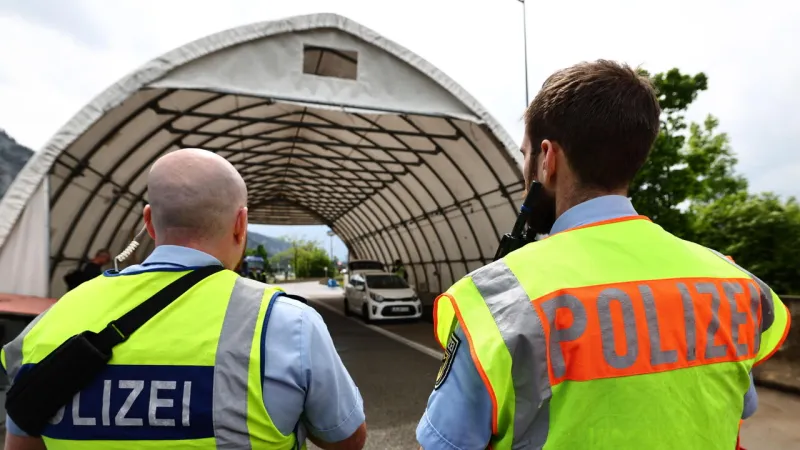
Vienna, Austria, has commenced the repatriation of migrants to Italy, with at least four individuals already returned since June 12. This move mirrors recent decisions by Berlin and Bern to send migrants back, triggering immediate and sharp criticism from various opposition parties within Austria. The escalating trend marks a significant development in Europe's ongoing struggle to manage cross-border migration flows.
The Austrian government's action follows a precedent set by its northern neighbors. Germany, facing its own challenges with asylum applications, previously implemented measures to accelerate returns, particularly for individuals not granted asylum. Similarly, Switzerland has also engaged in transferring migrants back to their point of entry or first asylum country, primarily Italy. This coordinated approach suggests a broader European shift towards stricter enforcement of existing agreements.
For Italy, already a primary port of entry for many migrants arriving in Europe, the decision by Austria, Germany, and Switzerland adds another layer of pressure. The country has long argued for greater solidarity from other European Union member states in sharing the burden of asylum processing and migrant reception. These returns complicate Italy's capacity and infrastructure, potentially straining its resources further.
Opposition parties in Austria swiftly condemned the government's policy, characterizing it as inhumane and a shirking of international responsibilities. Critics argue that such unilateral actions undermine the spirit of European cooperation and could lead to a fragmented approach to a complex humanitarian issue. They demand greater transparency regarding the legal basis for these returns and the conditions under which migrants are being sent back.
The returns are likely being enacted under the framework of the Dublin Regulation, an EU law that stipulates asylum seekers must lodge their application in the first EU country they enter. However, the practical implementation of this regulation has been contentious, often leading to disputes between member states over responsibility for asylum processing. Italy, due to its geographical location, often bears the initial brunt of these arrivals.
This recent surge in returns underscores the political sensitivities surrounding migration across the continent. Governments are increasingly under pressure from domestic constituencies to demonstrate firm control over national borders and immigration policies. The domino effect observed from Berlin and Bern to Vienna reflects a growing consensus among some European capitals regarding a more restrictive stance.
Officials from the Austrian Interior Ministry confirmed the deportations, stating they are in line with national and international legal obligations. They emphasized the need for an orderly and manageable migration system, asserting that the current measures are necessary to uphold the integrity of asylum procedures and ensure fairness within the European framework.
The decision has ignited fresh debates within the Austrian parliament, with calls for an urgent parliamentary session to scrutinize the government's strategy. Lawmakers from the opposition have questioned the long-term efficacy and ethical implications of offloading migrant responsibilities onto frontline states like Italy, predicting potential diplomatic friction.
Concerns also extend to the humanitarian implications for the migrants involved. Advocates for migrant rights worry about the conditions awaiting individuals upon their return to Italy, particularly given the already strained reception facilities and services in some regions. They stress the importance of ensuring due process and access to legal counsel for all asylum seekers, regardless of their country of origin or intended destination.
The situation further highlights the challenges facing the European Union in formulating a cohesive and equitable migration policy. Despite numerous attempts at reform, member states frequently diverge on issues of burden-sharing, border management, and the integration of new arrivals. The actions of Austria, Germany, and Switzerland serve as a stark reminder of these persistent internal divisions.
Looking ahead, analysts suggest that this trend of increased migrant returns could intensify pressure on the European Commission to revisit and potentially revise the Dublin Regulation. Any substantive changes would require significant political will and compromise among member states, a prospect that has historically proven difficult to achieve amidst diverse national interests. This approach to border management also resonates with recent actions across Europe, as evidenced by reports like Cologne Immigration Office Suspected of Impeding Deportations, showcasing varied enforcement challenges.
This latest development follows earlier announcements and implementations, as previously detailed in Austria Initiates Migrant Transfers to Italy Under New EU Accord. The current actions represent the practical rollout of policies that have been under discussion for some time, now manifesting in tangible repatriations.
The political ramifications extend beyond the immediate borders, potentially influencing forthcoming European elections and shaping the rhetoric of populist movements across the continent. As countries grapple with both the humanitarian and logistical aspects of migration, the debate over responsibility and national sovereignty continues to be a defining feature of European politics in 2026.