 Dodi Irawan
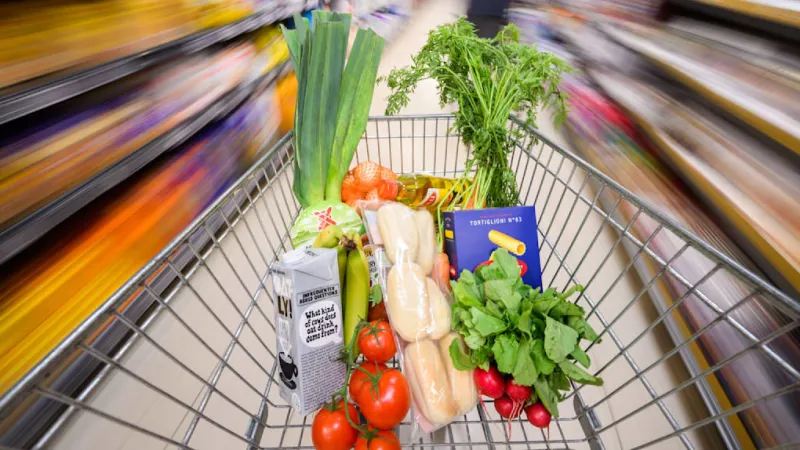
BERLIN – German households are confronting a stark economic reality as food prices have surged by more than 36 percent between early 2020 and mid-2025, according to recent data released by the federal government. This substantial increase far outpaces the broader inflation rate over the same period, placing considerable strain on consumer budgets across the nation.
The report underscores a persistent challenge for consumers, particularly those with fixed or lower incomes, who dedicate a larger proportion of their earnings to essential goods. The sustained escalation in German food prices has become a focal point of public discourse and political concern.
While the overall inflation rate has fluctuated, averaging lower figures, the specific category of foodstuffs demonstrates a disproportionate and rapid upward trend. This disparity indicates that factors beyond general economic pressures are influencing the cost of groceries.
Officials note that six particular product categories have experienced especially acute price hikes. Although the specific items were not enumerated in the initial release, market analysts suggest these likely include staples such as dairy products, certain meats, fresh produce, and baked goods, which form the bedrock of daily consumption.
In response to the data, a prominent politician from The Left party has voiced urgent concerns and called for immediate governmental intervention. The politician emphasized the necessity of measures to alleviate the burden on citizens and ensure access to affordable nutrition for all.
Economists point to a confluence of factors contributing to the accelerated rise in food costs. These include disruptions in global supply chains stemming from the pandemic, increased energy prices affecting production and transportation, and geopolitical events that have impacted commodity markets.
The agricultural sector also faces its own set of challenges, including rising costs for fertilizers, animal feed, and labor. These operational expenses are frequently passed on to consumers, further driving the upward trajectory of prices at the supermarket checkout.
Consumer advocacy groups have highlighted the growing struggle for many families to maintain their accustomed dietary standards. They advocate for stronger regulatory oversight and direct support mechanisms to shield vulnerable populations from the full impact of this food price inflation.
The federal government has acknowledged the issue, with various ministries exploring potential strategies to stabilize costs and support the agricultural sector. However, concrete policy actions to directly cap or reduce food prices have yet to be broadly implemented.
Critics argue that a more robust and proactive approach is required to prevent further erosion of purchasing power. The debate surrounding fair pricing, agricultural subsidies, and consumer protection is expected to intensify as households continue to grapple with their grocery bills.
The long-term implications of sustained high food prices could extend beyond immediate financial strain, potentially impacting public health as families opt for cheaper, often less nutritious, alternatives. This makes the current situation a complex challenge requiring multifaceted solutions.
As the country progresses into 2026, the question of how to effectively manage and mitigate the rising cost of living, particularly regarding essential food items, remains a pressing concern for both policymakers and the millions of Germans affected daily.