 Angel Doris
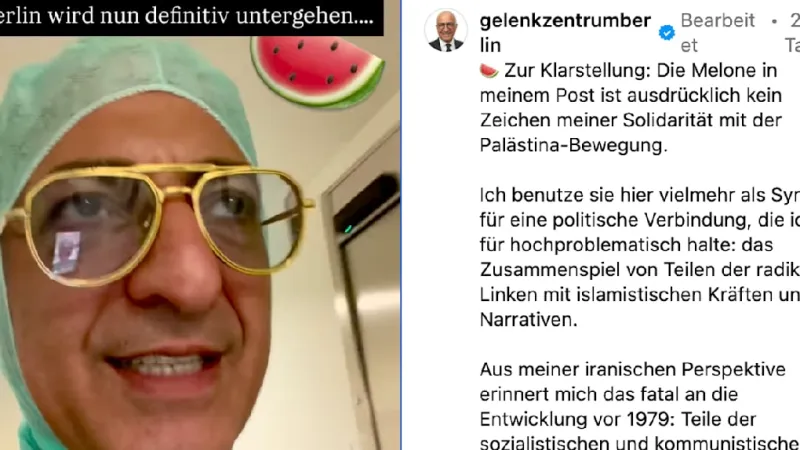
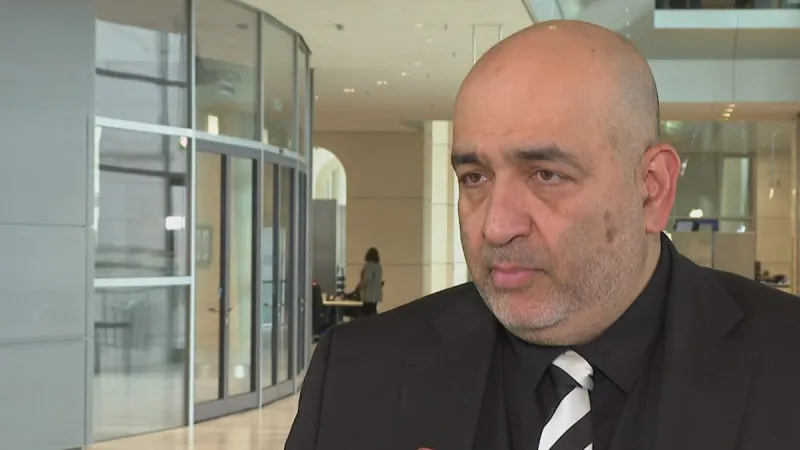
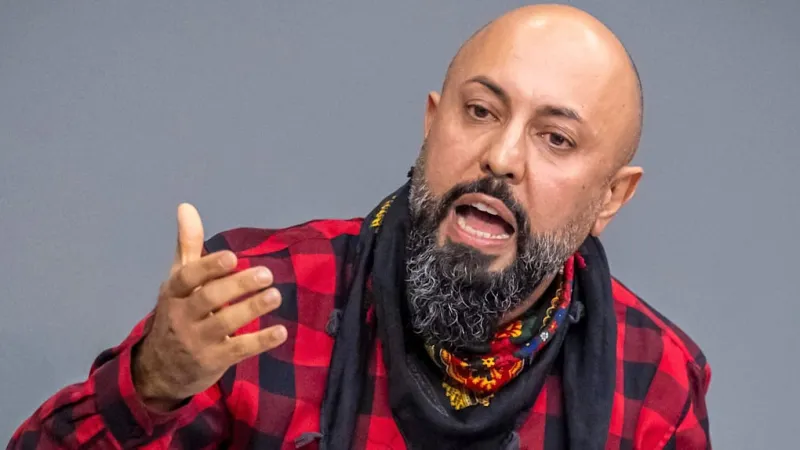
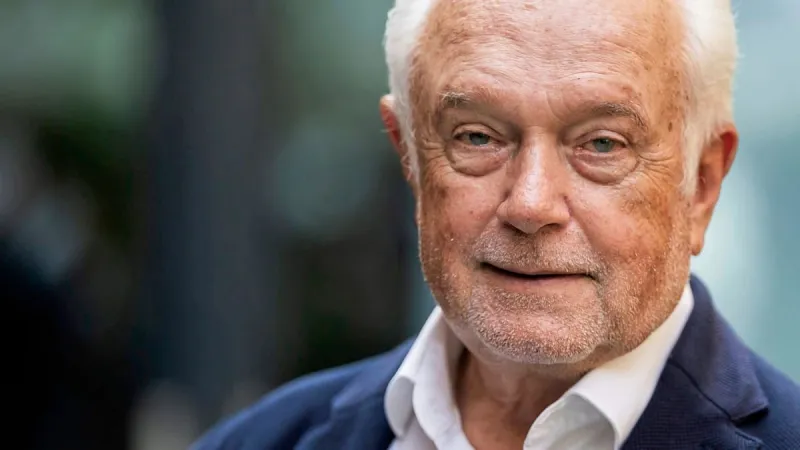
BERLIN – A prominent surgeon of Iranian descent has ignited a national debate in Germany, publicly announcing his intent to depart Berlin following the recent electoral success of the Left Party. The physician, whose identity has garnered significant public attention, released a widely shared video articulating profound concerns over what he perceives as a "special danger for the future of Germany" due to the party's alleged inclination towards a "coalition with Islamists."
This extraordinary declaration, made in the wake of the Left Party's recent gains in local elections, underscores growing anxieties within certain segments of German society regarding the political direction of the capital. The surgeon's public statement quickly gained traction across social media platforms and traditional news outlets, forcing the often-polarized discussion into the mainstream.
The core of the surgeon's apprehension centers on the Left Party's perceived ideological leanings and its potential alliances, which he suggests could undermine fundamental democratic values and societal cohesion. His video specifically highlighted the risk of a political partnership with groups he characterizes as Islamist, a term that carries significant weight in German political discourse, particularly concerning integration and security.
For years, the Left Party in Berlin has faced persistent scrutiny over various allegations, including those regarding connections to extremist factions and clan-related activities. Reports have previously detailed such concerns, prompting demands for greater transparency and accountability from the party. Readers can explore related issues in Berlin's Left Party Faces Demands Over Alleged Clan, Extremist Ties.
The surgeon, an individual of Iranian heritage, brings a unique perspective to the debate. His background potentially informs a deeper understanding of the complexities and dangers associated with political systems influenced by religious extremism, drawing parallels or contrasts with his country of origin. This personal context lends an additional layer of credibility and urgency to his public warning.
Public reaction to the surgeon's video has been sharply divided. Supporters commend his bravery in voicing unpopular opinions and raising critical questions about future political alignments. Conversely, critics accuse him of fear-mongering and contributing to the stigmatization of specific political parties or communities, suggesting his concerns are exaggerated or misplaced.
While the Left Party has not issued a direct, comprehensive response to the surgeon's specific accusations, it consistently maintains its commitment to democratic principles and inclusive policies. Party spokespersons often emphasize their dedication to social justice and anti-discrimination efforts, rejecting characterizations that link them to extremism or anti-democratic ideologies.
The controversy also reignites the broader German debate concerning freedom of expression, political correctness, and the acceptable boundaries of public critique. German leaders have frequently grappled with these challenges, balancing robust public discourse with the imperative to protect minority groups and prevent the spread of hate speech.
This incident also resonates with ongoing concerns about political transparency and accountability, especially in a city as diverse and politically dynamic as Berlin. The electorate increasingly demands clarity from political parties regarding their alliances and ideological stances, particularly on sensitive issues of national security and social integration.
Such high-profile pronouncements from respected professionals can significantly influence public perception and political momentum, particularly in an era of heightened political polarization. The surgeon's threat to relocate from Berlin signals a profound level of disillusionment that may prompt other citizens to reassess their own positions.
The debate surrounding the Berlin Left Party and its alleged associations is not new. Previous reports, like Berlin's Left Faces Scrutiny After Victory Amidst Clan, Antisemitism Allegations, have highlighted similar concerns, suggesting a pattern of allegations that the party has consistently sought to refute.
Ultimately, the surgeon's viral video serves as a potent reminder of the complex challenges confronting German democracy in 2026. It underscores the delicate balance between political pluralism, the imperative of national security, and the ongoing efforts to foster an inclusive society amidst diverse ideological currents. The discussion is far from over as political parties navigate potential coalitions and the public weighs these pressing concerns.