 Angel Doris
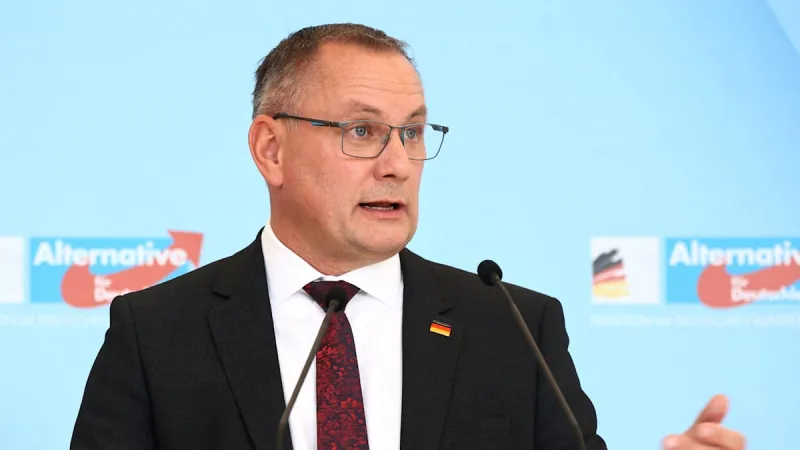
BERLIN – Tino Chrupalla, co-chairman of the Alternative for Germany (AfD) party, has fiercely criticized the impending black-red German pension reform, issuing a provocative call for the sitting Chancellor to resign and retire. Chrupalla asserted that individuals who have dedicated 45 years to work and contributed to the system, he stated, "Whoever has worked for 45 years and paid contributions has more than done his part for this country."
The right-wing populist leader delivered his sharp rebuke against what he views as an unjust governmental policy. His demand, originally phrased in German as a plea to "Release the citizens from your chancellorship and retire," highlights the deep ideological chasm surrounding the future of social security in Germany.
The proposed black-red pension reform, spearheaded by the current coalition government, aims to address the long-term sustainability challenges facing Germany's state pension fund. These reforms are often a contentious battleground, given their direct impact on millions of citizens across generations.
Chrupalla's statement positions the AfD as a staunch defender of the working populace, particularly those who have contributed significantly throughout their careers. The party argues that a lifetime of contributions should guarantee a secure and dignified retirement without further governmental interference or perceived erosion of benefits.
Germany, like many industrialized nations, grapples with an aging population and declining birth rates. This demographic shift places immense pressure on a pay-as-you-go pension system, where current workers fund the pensions of retirees. The black-red reform seeks to mitigate these looming financial strains.
However, critics like Chrupalla contend that the proposed solutions disproportionately burden long-term contributors. They argue that the reform fails to adequately recognize the sacrifices made by individuals who have spent decades in employment, meticulously paying into the system.
The government, conversely, typically frames such reforms as necessary adjustments to ensure intergenerational equity and the long-term solvency of the pension system. Without structural changes, they argue, the system risks collapse under the weight of future demographic realities.
This latest skirmish over the German pension reform underscores the persistent political challenges facing the Chancellor and the ruling coalition. Debates over social welfare programs often become litmus tests for governmental legitimacy and public trust, especially concerning the economic stability of the average citizen.
While the AfD has consistently campaigned on platforms criticizing established parties and their policies, this direct call for the Chancellor's retirement elevates the rhetoric, indicating a fierce political battle ahead as the reform package moves through the legislative process.
The broader political landscape in Germany remains dynamic. Leadership challenges and policy debates are frequent, often testing the resilience of governing coalitions. For instance, discussions surrounding opposition leadership, such as those regarding Friedrich Merz, have frequently highlighted internal party dynamics and the struggle for a cohesive vision for German reforms. Merz Leadership Crucial for German, European Stability, Analyst Warns and Merz Faces Credibility Crisis, Lacks Vision for German Reforms are examples of the ongoing scrutiny.
The controversy surrounding the pension reform is not merely an economic discussion but a deeply socio-political one, touching upon national values of fairness, solidarity, and governmental responsibility towards its citizens.
Analysts suggest that the outcome of this reform debate could significantly influence upcoming regional and national elections. Public sentiment regarding economic security remains a powerful determinant of electoral success for all political parties.
Further details of Chrupalla's full statement, widely circulated in German media, reveal a comprehensive critique extending beyond the single quote, encompassing the AfD's overall vision for Germany's economic and social future.
As the government pushes forward with its agenda, the Chancellor will likely need to articulate a robust defense of the reform, emphasizing its necessity and long-term benefits to counter the mounting opposition from parties like the AfD and a potentially skeptical public.
The heated discourse surrounding the German pension reform underscores the complex interplay between demographic realities, economic exigencies, and political ambition in shaping national policy. The coming months will determine whether the black-red coalition can navigate these treacherous waters successfully.