 Dorry Archiles
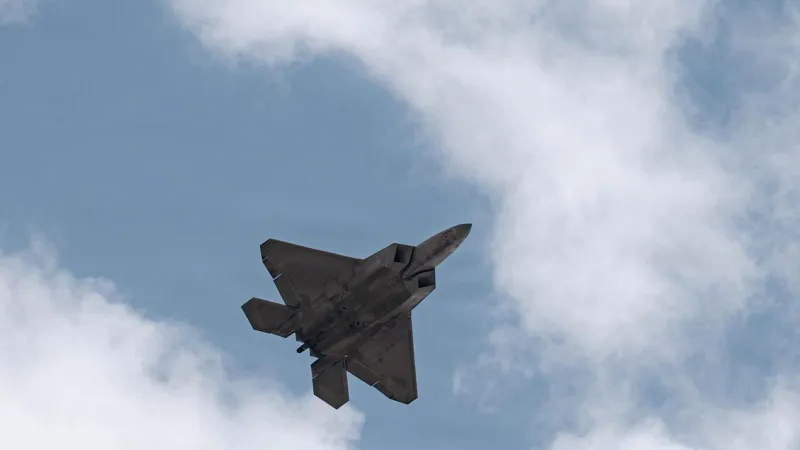
NATO Secretary General Mark Rutte's recent remarks, which suggested the deployment of 500 US aircraft from Italy to Iran, swiftly prompted a clarification from the alliance. This rapid response emphasized the nature of any such support as purely logistical or technical, not direct military engagement. Italian Foreign Minister Antonio Tajani and the nation's Defense Ministry quickly affirmed that all international treaties and protocols governing military deployments from Italian soil remain strictly respected.
The initial statement from Rutte, a high-profile figure within the transatlantic alliance, raised immediate questions across diplomatic circles and international media. His comments, delivered during a public address, suggested a significant military movement involving a NATO member and a complex geopolitical region already fraught with tensions. Such pronouncements from a top NATO official carry considerable weight, necessitating prompt and precise communication.
A NATO spokesperson, speaking shortly after Rutte's remarks gained traction, moved to clarify the Secretary General's intent. "The Secretary General was referring to logistical support or technical assistance," the spokesperson stated, underscoring that Rutte's comments were misinterpreted as implying a combat deployment. This distinction is crucial, as logistical support is routine among allied nations, whereas direct military intervention carries profound implications for international stability.
In Rome, the Italian government reacted swiftly to both Rutte's initial statement and NATO's subsequent clarification. Foreign Minister Tajani, known for his proactive diplomacy, issued a public statement reiterating Italy's unwavering commitment to international law and its long-standing agreements with its allies. The Italian Defense Ministry echoed these sentiments, confirming that any activity involving foreign military assets on Italian territory strictly adheres to established bilateral accords and NATO operational guidelines.
Italy hosts numerous significant US military installations, playing a pivotal role in NATO's southern flank operations. This strategic positioning means that any mention of US military movements originating from Italian bases instantly draws global attention, particularly when the destination involves a nation like Iran, which remains a focal point of international concern for President Donald Trump's administration and its allies.
The incident underscores the delicate balance involved in high-level diplomatic communication, especially concerning potentially volatile geopolitical flashpoints. Ambiguous language, even unintentional, can rapidly escalate into international misunderstandings or fuel speculation, demanding immediate and transparent correction from official sources. The alliance prioritizes clarity to maintain trust among its members and with the global community.
This episode also highlights the role of leaders like Rutte in managing narratives, particularly as NATO Chief Rutte Calms Europe Amid Trump's Power Projection Stance. The US approach to Iran, under President Donald Trump, has been marked by a firm stance, including sanctions and a readiness to project force when deemed necessary. Therefore, any mention of US military assets moving towards Iran from a NATO ally requires careful handling.
The swift clarification by NATO, coupled with robust assurances from Italian authorities, served to de-escalate potential diplomatic tensions. It reinforced the alliance's commitment to transparent communication and its respect for the sovereign decisions and international obligations of its member states. Such an incident, while quickly resolved, serves as a reminder of the constant need for precision in global diplomacy.
Italian officials have consistently emphasized their nation's role as a responsible NATO member, committed to collective security while upholding its constitutional principles. The prompt response from Rome was critical in preventing any lingering perception of Italy being an unwitting party to a direct military intervention that falls outside its defense posture or international agreements.
Ultimately, the episode concluded with a reaffirmation of the established protocols and a clarification of communication, averting a potentially significant international incident. NATO and Italy underscored their continued dedication to stability and their precise interpretation of defense cooperation within the alliance.