Chandra Wijayanto
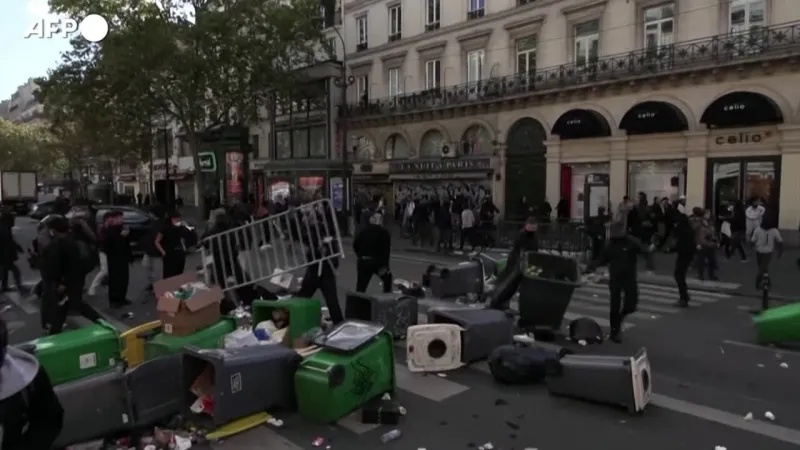
Paris, Lyon, and Marseille became flashpoints of intense social unrest recently as thousands of citizens across France mobilized in widespread cost of living protests. Demonstrators voiced fervent opposition to surging inflation and stagnating wages, leading to clashes with authorities in the capital and Lyon, while in Marseille, protesters forcibly entered the citys municipal building, marking a significant escalation of discontent.
The most dramatic incident unfolded in Marseille, where a large contingent of demonstrators, some associated with broader anti-government movements, converged on the city hall. Reports indicate that the crowd breached security perimeters, with individuals gaining entry into the building itself, an act symbolic of deep-seated frustration with the government’s economic policies. This mirrors previous instances of civil disobedience in the region, as highlighted by reports such as Marseille Erupts: Yellow Vests and Students Protest Soaring Living Costs.
Concurrently, Paris witnessed significant demonstrations that paralyzed key arteries of the city, with riot police deploying tear gas to disperse crowds near governmental buildings. Similar scenes unfolded in Lyon, where smaller but equally determined groups clashed with law enforcement, disrupting public transport and commercial activities. These nationwide mobilizations underscore a growing sentiment of economic hardship experienced by many French households.
The driving force behind these widespread actions is the persistent rise in the cost of living. Citizens are contending with escalating prices for essential goods, energy, and housing, which have increasingly outpaced wage growth. This economic squeeze has ignited a palpable sense of injustice among various segments of the population, from working-class families to students and retirees.
The current government has faced increasing pressure to address these economic grievances. While officials have pointed to global inflationary pressures and post-pandemic recovery challenges, many protesters contend that insufficient measures have been taken to protect purchasing power. Critics argue that governmental reforms have not adequately cushioned the impact on the most vulnerable.
This wave of protest is not an isolated phenomenon in Europe. Across the continent, similar movements have emerged as populations grapple with economic uncertainties. For instance, Italian Protests Intensify: Milan Sees Clashes, Rome Demands Change details parallel struggles in a neighboring nation, indicating a broader regional trend of social discontent over economic policies.
While specific organizers for all demonstrations were not immediately clear, a confluence of labor unions, student groups, and grassroots activists appear to have played a role in coordinating the nationwide calls for action. The unified front demonstrates a broad coalition of societal elements united by shared economic concerns. Such collective action has been seen before, notably when Cgil Mobilizes 100,000, Calls Nationwide General Strike in Italy, highlighting the potential for widespread union involvement in economic protests.
Authorities reported a number of arrests across the affected cities, though specific figures varied. Casualties, if any, were not immediately detailed in official communiques, but visual accounts from the ground depicted intense standoffs between demonstrators and security forces. The Interior Ministry urged calm, calling for peaceful dialogue over confrontation.
The unrest significantly impacted daily life, with public transportation experiencing disruptions and numerous businesses opting to close early or remain shut for safety. Tourists and residents alike were advised to avoid protest zones, altering the usual vibrant rhythm of these major French urban centers.
The escalating cost of living protests pose a substantial challenge to the political establishment. With presidential and parliamentary elections on the horizon, the government’s handling of economic hardship and social unrest could prove pivotal. The ongoing demonstrations reflect a public deeply concerned about its economic future, demanding decisive action from its leaders.
Analysts suggest that without significant policy shifts or a marked improvement in economic indicators, the potential for continued and even intensified cost of living protests remains high. The underlying issues of inflation, stagnant wages, and energy costs are systemic, making quick resolutions improbable and setting the stage for further confrontation.
This wave of French unrest also resonates within a wider European context of economic anxiety. Governments across the continent are grappling with similar challenges, balancing fiscal responsibility with public demands for relief. The French situation serves as a stark reminder of the social friction that can arise when economic pressures become unbearable for large segments of the population.