 Debby Wijaya
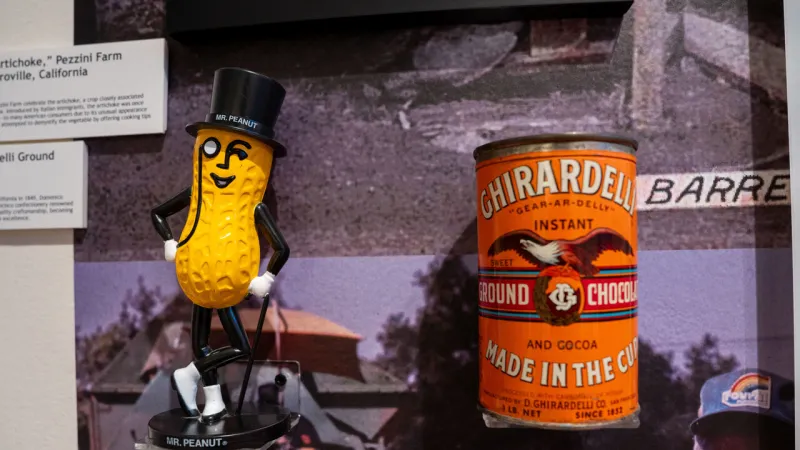
Los Angeles — A comprehensive exhibition now open in the city illuminates how Italian-American cuisine fundamentally shaped the nation's cultural landscape, serving as a vivid chronicle of immigrant integration. The display traces the evolution from humble family recipes to widely recognized brands, demonstrating the indelible impact of Italian immigrants on American dietary habits and national identity.
Curated to showcase this profound influence, the exhibit features a wide array of artifacts, historical documents, and interactive displays. Visitors encounter familiar brands that trace their roots back to Italian immigrant communities, alongside the history of iconic restaurants that have become staples in American gastronomy.
The exhibition posits that America's culinary identity is inherently a product of its diverse immigrant populations. As one curator, Dr. Sofia Moretti, remarked during the opening, "Immigration has shaped the U.S. in ways both obvious and subtle, and nowhere is this more apparent than on our dinner tables."
Historically, Italian immigrants arriving in the late 19th and early 20th centuries brought with them a rich culinary heritage. Faced with new ingredients and economic realities, they ingeniously adapted their traditional cooking methods, giving birth to a distinct Italian-American cuisine that blended old-world flavors with new-world resources.
This adaptation transformed regional Italian dishes into what many now perceive as classic Italian-American fare. Staples such as spaghetti and meatballs, chicken parmesan, and lasagna, while rooted in Italian tradition, evolved significantly to suit American palates and ingredient availability.
The exhibit highlights how this unique culinary fusion did not merely add new dishes to the American menu but permeated the broader food industry. From local bakeries specializing in cannoli to large-scale pasta manufacturers, Italian-American entrepreneurs built an industry that redefined mainstream American eating.
Even seemingly unrelated staples like the Big Mac, a quintessential American fast-food item, exist within a food ecosystem profoundly influenced by immigrant contributions. The exhibit argues that the very concept of a diverse and evolving national diet is a direct result of ongoing cultural exchange.
Visitors learn how Italian-American cuisine fostered a sense of community among immigrants while simultaneously introducing new flavors and textures to the wider American public. Food became a powerful vehicle for cultural exchange, breaking down barriers and fostering understanding between different ethnic groups.
The exhibition also touches upon the economic impact of Italian immigrants, who established countless food businesses, from small grocery stores and delis to major food distribution networks. These enterprises not only provided livelihoods but also ensured the widespread availability of Italian-American ingredients and dishes.
Beyond food, the exhibit subtly explores how the success of Italian-American cuisine mirrors broader patterns of cultural integration. It suggests that while specific culinary traditions are preserved, they also blend and adapt, creating new forms that are uniquely American.
This cultural narrative is especially pertinent in 2026, as discussions around national identity and the role of immigration continue to evolve. The Los Angeles exhibit offers a tangible, palatable reminder of the historical processes that have shaped the United States.
Organizers hope the exhibition will inspire a deeper appreciation for the complex interplay between immigration, culture, and national development. It serves as a testament to the enduring legacy of Italian immigrants, whose kitchens and restaurants became laboratories of American integration.