 Robert Andrison
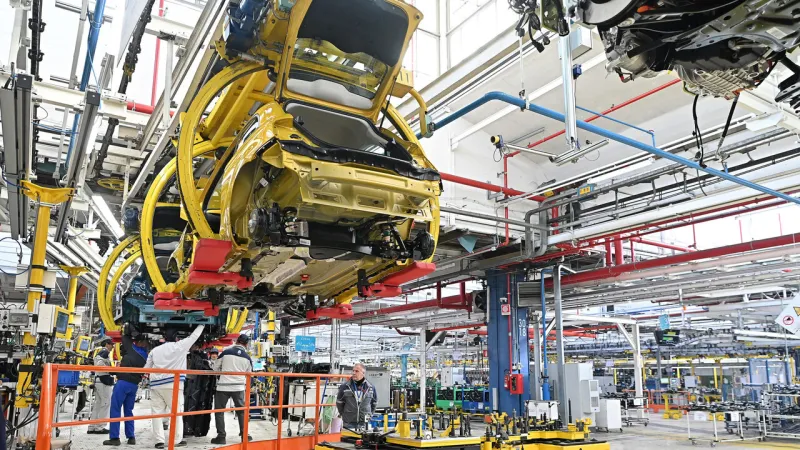
TURIN – Stellantis, the multinational automotive corporation, has confirmed a period of temporary layoffs, known as cassa integrazione, for workers at its Mirafiori facility in Turin, Italy. The measure will affect employees on the 500 electric and hybrid production lines from October 19 to October 30, 2026, reflecting what the company describes as a complex operational environment exacerbated by the prohibitive cost of energy.
This decision underscores the persistent economic pressures confronting major industrial players in the Eurozone. Stellantis officials cited the challenging market conditions and the significant burden of energy expenses as primary factors necessitating the production halt and subsequent worker furloughs.
The Mirafiori plant, a historic automotive hub in Italy, is crucial for Stellantis, particularly in its strategy for electric vehicle expansion. The temporary cessation of activity on these lines highlights broader vulnerabilities within the automotive supply chain and manufacturing sector.
The cassa integrazione mechanism, a form of temporary state-supported layoff common in Italy, allows companies to reduce labor costs during periods of low demand or operational difficulty while providing workers with a percentage of their wages. This system aims to prevent permanent job losses during transient crises.
Industry analysts view the move by Stellantis as indicative of the tight margins and intense competition within the electric vehicle market, alongside the volatile nature of energy prices. The European energy crisis, while showing signs of easing in some sectors, continues to exert considerable influence on heavy industries.
The company has been recalibrating its production schedules and investment strategies across its European sites to adapt to fluctuating consumer demand and regulatory landscapes. This includes a constant evaluation of operational efficiencies and cost-saving measures.
Workers and unions at the Mirafiori plant are expected to engage with Stellantis management to discuss the implications of these layoffs and future production plans. The welfare of the workforce remains a central concern amid these economic adjustments.
This development comes as Italy continues to navigate a challenging economic climate, with various industrial sectors facing headwinds. The resilience of Italian manufacturing is frequently tested by global market shifts and domestic economic policies.
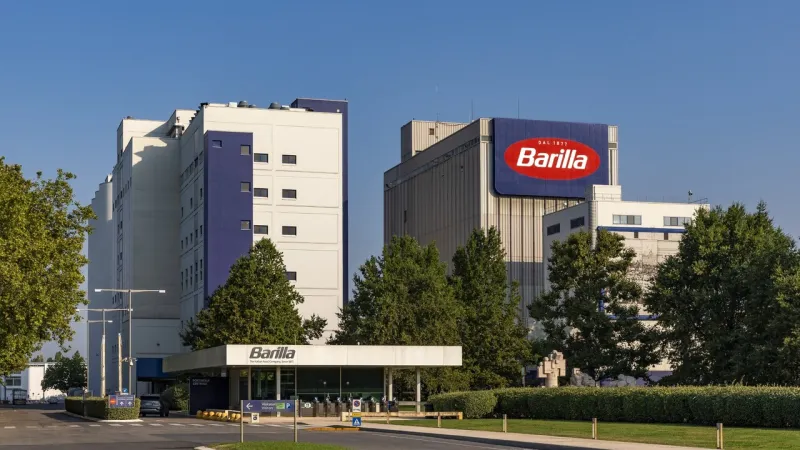
Elsewhere in Italy, other major corporations are also adjusting their industrial strategies to account for the current economic realities. For instance, Barilla recently unveiled a significant industrial plan aimed at revitalizing Southern Italy, demonstrating varied approaches to economic challenges within the nation's diverse industrial landscape.
The return of temporary layoffs at Mirafiori marks another chapter in the plant's long history of adapting to changing market dynamics. It serves as a reminder of the global economic forces that shape local industries and employment figures, especially in energy-intensive sectors like automotive manufacturing.
Stellantis remains committed to its long-term electrification goals, but the immediate necessity to manage operational costs in the face of high energy prices and a complex market situation dictates these temporary measures. The automotive giant will continue to monitor the economic situation closely, anticipating a potential return to full operational capacity once conditions stabilize.