 Dorry Archiles
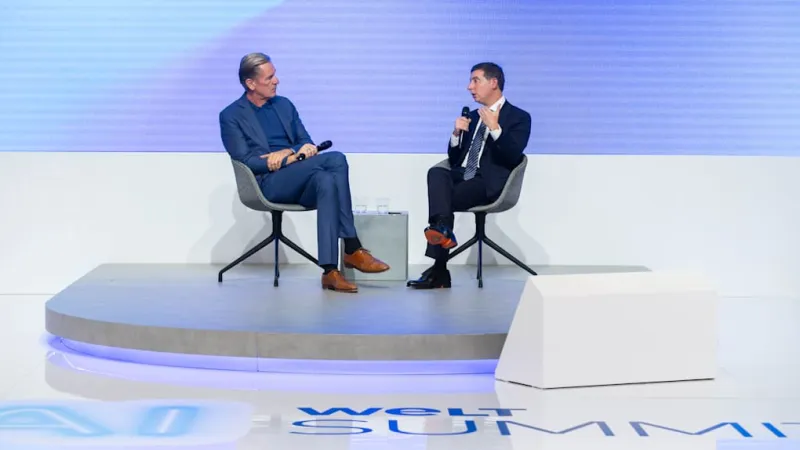
BERLIN — Digital Minister Karsten Wildberger, alongside a chorus of prominent German business leaders, has emphatically countered the narrative of national technological inadequacy, asserting that Germany possesses the inherent capacity to lead in artificial intelligence development despite its current need to accelerate efforts. This collective optimism emerges amid widespread concern that the nation is falling behind in the global AI race, underscoring a belief that the tide can still turn with concerted action.
The Minister's stance, reflecting a sentiment widely shared across various industrial sectors, suggests that a prevalent self-doubt in Germany obscures genuine strengths. He contends that the nation’s foundational engineering prowess, robust research institutions, and established industrial base provide a unique springboard for significant advances in AI, particularly in specialized applications.
For years, analysts have pointed to Germany's cautious approach to digital transformation and its comparatively slower adoption rates of nascent technologies like artificial intelligence when stacked against global frontrunners such as the United States and China. This hesitancy has often been attributed to stringent data privacy regulations and a risk-averse corporate culture.
The core message from Wildberger is clear: Germany is underestimating its own considerable abilities. This underestimation reportedly extends beyond mere technological capacity to encompass the nation's innovative spirit and the potential of its highly skilled workforce. The challenge, according to advocates, lies less in intrinsic capability and more in strategic focus and rapid implementation.
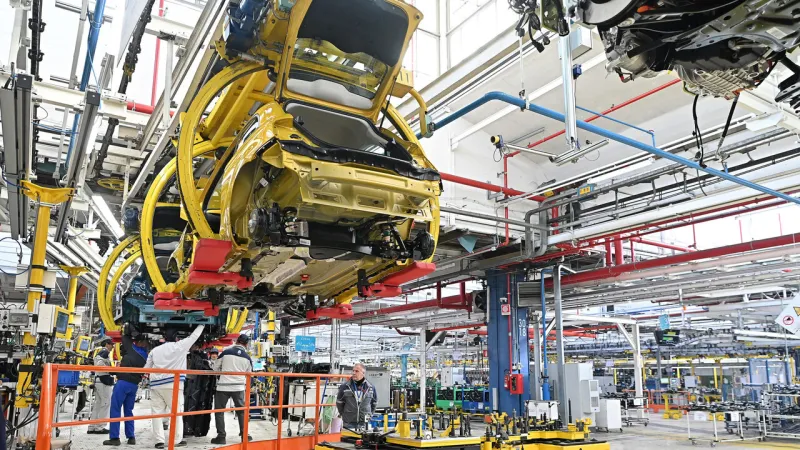
German industry, famed for its engineering excellence, is particularly well-positioned to integrate AI into manufacturing processes, automotive technology, and advanced robotics. Experts frequently highlight the potential for Germany to become a leader in industrial AI, leveraging its Mittelstand companies' specialized knowledge and global market presence.
Recognizing the critical importance of AI development for future economic competitiveness, the German government has initiated various programs aimed at fostering research, nurturing startups, and attracting top talent. These initiatives seek to bridge the gap between academic innovation and practical, commercial application, ensuring that breakthroughs translate into tangible economic value.
The stakes are exceptionally high. Failure to keep pace in artificial intelligence could threaten Germany's long-standing position as an industrial powerhouse, potentially leading to a decline in global competitiveness and job losses in traditional sectors. Conversely, successful integration of advanced AI could unlock unprecedented productivity gains and create entirely new industries.
Germany's pursuit of AI leadership does not occur in a vacuum. It is part of a broader national effort to navigate complex economic and environmental transitions. For instance, the nation grapples with the financial implications of ambitious climate policies, exemplified by recent warnings that Brussels climate rules could jeopardize 40 billion German green investment, highlighting the need for integrated strategic planning across sectors.
Despite the formidable challenges, Wildberger and his supporters adamantly maintain that the artificial intelligence race is far from concluded. They stress that latecomers often benefit from observing early-stage pitfalls, allowing for more efficient and robust development cycles. The emphasis now shifts to decisive action and fostering an environment conducive to rapid technological adoption.
The optimistic assessment from leadership serves as a clarion call for greater collaboration between government, industry, and academia. By cultivating a culture that embraces innovation, strategic investment, and a confident outlook on its own formidable capabilities, Germany aims to transform its perceived lag in AI development into an opportunity for a resilient and technologically advanced future.