Gabriella
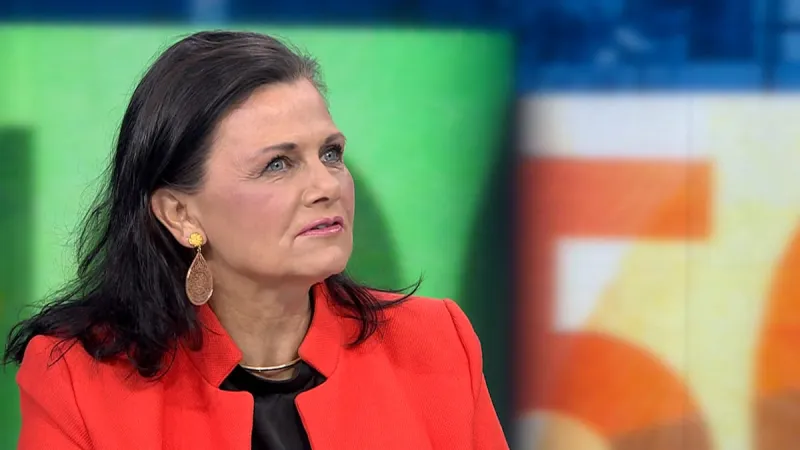
BERLIN – Gitta Connemann, Federal Chairwoman of the Mittelstands- und Wirtschaftsunion (SME and Economic Union) and a prominent figure within the Christian Democratic Union (CDU), has issued an urgent call for the rapid implementation of Germany's long-anticipated pension reform. Citing critical economic pressures and a widespread public desire for clarity, Connemann emphasized the immediate necessity, stating, "We have no time to lose – I am now counting on reason."
Her demand underscores growing impatience among key economic stakeholders and the general populace regarding the federal government's progress on this crucial social and financial policy. The Mittelstands- und Wirtschaftsunion represents the interests of Germany's backbone: its small and medium-sized enterprises, which collectively account for a significant portion of the nation's economic output and employment.
Connemann's statement reflects the collective anxiety of millions of Germans, both current retirees and future pensioners, who await a stable and sustainable framework for their retirement. The delays in advancing the comprehensive pension reform have fueled uncertainty and frustrated businesses that rely on predictable economic conditions.
The Federal Chairwoman highlighted that the current political landscape demands decisive action. The German economy, still navigating various global challenges, cannot afford prolonged legislative stagnation on an issue as fundamental as pension security. "The people are waiting. Incidentally, the middle class is waiting too," Connemann noted, stressing the broad impact of the ongoing deferrals.
Political observers indicate that the pension reform debate has become a battleground for various parties, each with differing approaches to ensuring the system's long-term viability in the face of demographic shifts. The core challenge involves balancing intergenerational equity with financial prudence.
This call for swift action from a leading CDU voice aligns with broader critiques leveled against the ruling coalition's handling of the reform agenda. Notably, other political figures have similarly voiced their discontent over the perceived lack of momentum.
For instance, the political discourse around this issue has seen sharp exchanges, with figures like the AfD co-leader previously demanding the chancellor's retirement amidst the pension reform battle, as reported in AfD Co-Leader Demands Chancellor's Retirement Amidst Pension Reform Battle.
Similarly, criticism has been directed at specific government officials. The stagnation, particularly over the summer period, drew strong condemnation, with calls for increased urgency and accountability. Wüst Slams Bas Over Pension Reform Stagnation, Cites Summer Inaction illustrates the mounting pressure on the government to deliver.
The proposed reforms aim to address the sustainability of Germany's pay-as-you-go pension system, which faces increasing strain from an aging population and declining birth rates. Measures under consideration typically include adjustments to retirement age, contribution rates, and pension levels, alongside potential supplementary funding mechanisms.
Connemann's appeal for reason serves as a direct challenge to political factions to overcome ideological divides and forge a consensus that prioritizes the welfare of German citizens and the stability of its economy. The Mittelstands- und Wirtschaftsunion emphasizes that a well-structured and promptly implemented pension reform is vital for bolstering confidence across all societal segments.
The economic implications of further delays are substantial. Businesses, particularly SMEs, require a clear outlook on future labor costs and social security contributions to make informed investment and employment decisions. Lingering uncertainty acts as a drag on economic growth and innovation.
As the debate intensifies, Connemann's intervention underscores the pivotal role of the business community in shaping national policy. Her stern admonition for political leaders to act with prudence and speed highlights the critical juncture at which Germany finds itself concerning its social security framework.