 Edward DP Situmorang
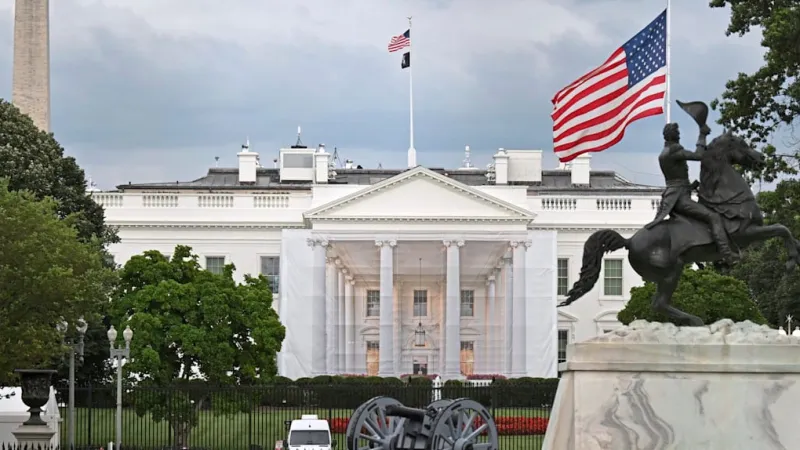
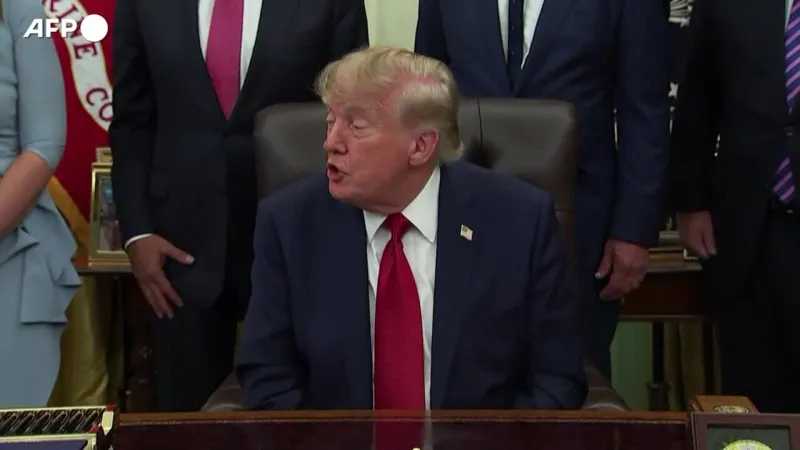
WASHINGTON – President Donald Trump has implemented an escalated ban against news organizations MS NOW, CNN, and Politico, with several journalists reportedly losing their White House access credentials. This decisive action, widely characterized by media advocates as an unlawful assault on press freedom, marks a significant tightening of restrictions against specific media outlets at the nation's most powerful address in 2026.
The mandate from President Trump saw White House security personnel actively enforcing the prohibition, culminating in the revocation of identification badges for multiple reporters from the targeted newsrooms. This direct confrontation with the press underscores a contentious relationship that has frequently simmered during his administration.
Representatives from the affected media organizations swiftly condemned the move. Speaking anonymously due to ongoing internal discussions, a senior editor at one of the barred networks stated, "This is a direct and unlawful attack on the ability of a free press to inform the public. We will not be intimidated." Press freedom groups echoed this sentiment, calling for immediate reconsideration from the administration.
The President has long expressed antagonism toward what he frequently terms "fake news" outlets, a label often directed at MS NOW, CNN, and Politico. This latest escalation appears to be the culmination of a protracted campaign to limit the access and perceived legitimacy of these news organizations within the White House complex.
Such restrictions raise profound questions regarding transparency and the public's right to information. Observers argue that by selectively barring journalists, the White House risks creating an environment where dissent and critical reporting are stifled, potentially impacting the democratic process itself.
While exact numbers remain unconfirmed by official White House sources, reports indicate that at least four to five reporters and camera crew members had their credentials deactivated. This effectively prevents them from attending briefings, press conferences, and other events crucial for covering the presidency.
Although no formal statement outlining the rationale for the latest action was immediately released, the administration has previously justified its scrutiny of certain media outlets by citing what it perceives as biased or inaccurate reporting. This stance aligns with President Trump's consistent narrative regarding media accountability.
Historically, White House press access has been a cornerstone of American journalism, with administrations typically providing broad access to credentialed journalists regardless of their outlets' editorial leanings. Critics suggest the current measures deviate sharply from these established norms, setting a troubling precedent.
Legal experts are reportedly reviewing the legality of such blanket bans, particularly concerning First Amendment implications. Major media associations are contemplating collective action or public campaigns to challenge the administration's decision, emphasizing the constitutional role of the press.
The move signals a further deterioration in the already strained relationship between the Trump White House and significant segments of the national media. It is anticipated to ignite broader debate about the boundaries of presidential power and press freedom in the digital age.
Public reaction has been polarized, with supporters of the administration applauding what they see as a necessary stand against hostile media, while opponents express alarm over what they perceive as authoritarian tactics. Social media platforms are abuzz with commentary, reflecting the deep divisions in political discourse.
This development also feeds into a broader global trend where populist leaders increasingly challenge and restrict traditional media, often branding critical reporting as partisan opposition. The United States, long a beacon of press freedom, faces increased scrutiny over its own practices.
For the affected newsrooms, the immediate impact means a significant hurdle in their daily operations. Covering the White House requires on-the-ground presence, and remote reporting cannot fully substitute for direct access to officials and events within the executive mansion.
Journalists argue that impeding their ability to report from the White House directly impacts governmental accountability. Without independent scrutiny from a diverse press corps, there is a heightened risk that official narratives go unchallenged and critical issues remain uncovered.
The precedent set by these actions could have long-lasting implications for future administrations and the operational framework for White House press relations. Many fear that once established, such restrictions might become harder to reverse, regardless of who occupies the Oval Office.
International press freedom organizations have also begun to weigh in, expressing concern that the actions of the US government could embolden other nations to adopt similar restrictive policies against their own media. This amplifies the global implications of a domestic decision.