 Demian Sahputra
Stuttgart, Germany – The highly contentious Stuttgart 21 railway infrastructure project faces another significant setback, with Deutsche Bahn revealing an additional three billion euro cost increase and pushing its operational start date back to 2031. This latest announcement compounds concerns over the mega-project's escalating expenses and protracted timeline, sparking renewed debate among stakeholders and the public regarding its viability.
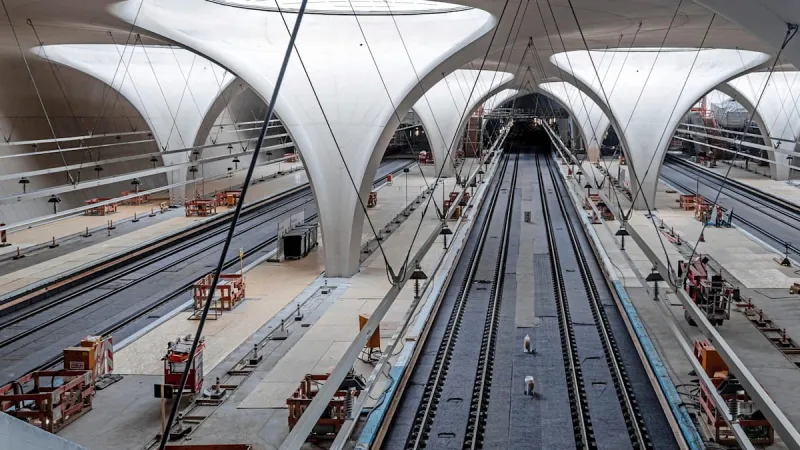
The national railway operator, Deutsche Bahn, confirmed that its newest planning estimates now forecast the deep underground station in Stuttgart's city center will not be ready until the beginning of the next decade, a further delay from previous projections. This extension adds years to a timeline already marked by numerous postponements since the project's inception.
The additional three billion euros will be layered onto an already hefty budget that has consistently spiraled upwards. When initially conceived, the undertaking carried a much lower price tag, often quoted in the range of billions less than its current valuation. Public skepticism has grown in tandem with these climbing figures.
Observers note that the Stuttgart 21 project has become a symbol for Germany's challenges in delivering large-scale infrastructure initiatives on budget and on schedule. Its history is replete with planning disputes, environmental protests, and legal battles that have slowed progress and driven up expenditures.
This latest revelation comes amid a broader discussion in Germany about the efficiency and oversight of major public works. Taxpayer funds continue to be channeled into a project whose benefits, while long-term, are increasingly overshadowed by its immediate financial burden.
Deutsche Bahn officials have cited complex geological conditions, unforeseen technical challenges, and rising material and labor costs as primary contributors to the escalating budget and schedule adjustments. The project involves rerouting railway lines and constructing a modern, subterranean transit hub designed to integrate with high-speed networks.
The deep station, intended to replace the current terminus station, lies at the heart of the Stuttgart 21 redesign. Its complex engineering requirements and urban integration have proven particularly challenging, forming a central component of both the project's ambition and its difficulties.
Local and national politicians are now under renewed pressure to address the financial implications of the project. Critics argue that the continuous cost escalation demands greater transparency and accountability from all parties involved in its management and execution.
For context on previous budget revisions, readers can explore past reporting on the issue. See: Germany's Stuttgart 21 Megaproject Costs Soar by Billions. The persistent overruns raise questions about feasibility studies and initial cost projections for such grand ventures.
The protracted "Hängepartie," or long-drawn-out affair, surrounding Stuttgart 21 exemplifies a recurring pattern in large-scale public infrastructure projects across Europe. It highlights the delicate balance between ambitious urban development and pragmatic financial management.
As 2026 progresses, the new 2031 completion date for Stuttgart 21 places the project firmly in the future, extending its presence as a fiscal and engineering challenge for several more years. The ongoing saga continues to shape public discourse on national priorities and responsible spending.
The ultimate delivery of the modern railway junction remains a pivotal goal for regional connectivity, aiming to enhance passenger capacity and speed. However, the path to achieving this vision grows increasingly costly and extended, leaving many to wonder about the final price tag for the transformation of Stuttgart's railway landscape.