Angela Stefani
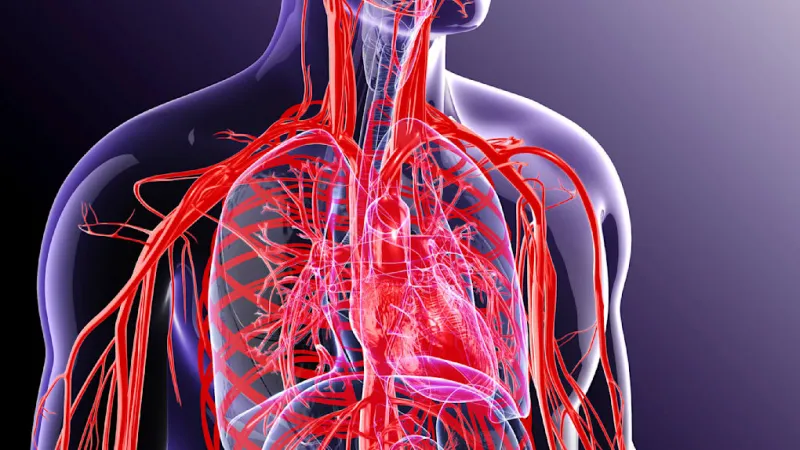
GENEVA – A burgeoning trend within the global longevity community, promoting blood purification as an anti-aging elixir, is now encountering significant medical skepticism and explicit warnings from leading researchers. This practice, medically termed therapeutic apheresis, which is typically reserved for severe, specific medical conditions, is being increasingly repurposed by some proponents as a rejuvenation treatment. This widespread misapplication raises profound concerns about potential health risks, including severe strain on vital organs such as the liver, heart, and kidneys, with experts underscoring that the procedure inherently alters blood cells, posing dangers when used without clear medical necessity.
Therapeutic apheresis is a legitimate and often life-saving medical intervention where a patient's blood is removed, separated into components, and then one component is treated or exchanged before the blood is returned to the body. It is a complex procedure used to treat conditions like autoimmune diseases, certain neurological disorders, and severe lipid disorders by removing harmful substances or cells from the bloodstream. Its application is always under strict medical supervision and dictated by specific diagnostic criteria.
However, the rapidly expanding longevity market has begun to embrace therapeutic apheresis, or blood purification, as a method to purportedly slow or even reverse the aging process. Clinics and wellness centers, often operating outside conventional medical frameworks, are marketing these treatments with promises of renewed vitality, improved cognitive function, and extended lifespans, attracting individuals eager to defy the biological clock.
Central to the growing backlash are the doubts expressed by researchers whose work is often cited by these longevity proponents. A prominent scientist, who remains unnamed in initial reports but whose foundational research on blood components and aging is widely acknowledged, has voiced considerable alarm regarding the uncritical application of her findings. She states that her work does not support the broad claims made by these anti-aging clinics.
Medical experts are particularly concerned about the fundamental alterations to blood cells that occur during the blood purification process. While intentional and beneficial for specific diseases, these changes can be detrimental to healthy individuals. The removal of certain plasma components or the filtration of blood without a targeted pathological reason can disrupt delicate physiological balances, potentially triggering unforeseen complications.
Beyond blood cell modifications, the process itself places significant stress on the body's vital organs. The sophisticated machinery involved in therapeutic apheresis requires the heart to work harder to pump blood through the system, while the liver and kidneys, primary detoxification organs, bear an additional burden as the body attempts to re-establish homeostasis after such an intervention. For individuals without pre-existing conditions that necessitate apheresis, this strain could lead to acute or chronic organ damage.
Crucially, there is a profound lack of rigorous scientific evidence or clinical trials supporting the efficacy of blood purification as a general anti-aging strategy. The claims put forth by the longevity industry are largely anecdotal or based on speculative interpretations of complex biological research, rather than robust, peer-reviewed data demonstrating actual rejuvenation benefits or a slowing of human aging.
The ethical implications of offering unproven medical procedures for profit are also under scrutiny. Medical bodies are increasingly calling for stricter regulation of clinics that promote such experimental treatments without adequate scientific backing or informed consent processes that clearly outline the potential risks versus unproven benefits. Patients seeking such therapies often often do so from a vulnerable position, making ethical oversight paramount.
It is imperative to distinguish between therapeutic apheresis as a proven, life-saving treatment for specific diseases and its speculative use as an anti-aging modality. The medical community acknowledges the profound benefits of the former, but vehemently cautions against the latter, highlighting a dangerous blurring of lines between established medical practice and experimental, potentially harmful, wellness fads.
Public health advocates and medical professionals are urging individuals to exercise extreme caution and consult with their primary care physicians before considering any blood purification treatments advertised for anti-aging purposes. They emphasize that while the quest for longevity is understandable, it must be pursued through scientifically validated methods, prioritizing patient safety above all else.