 Chris Robert
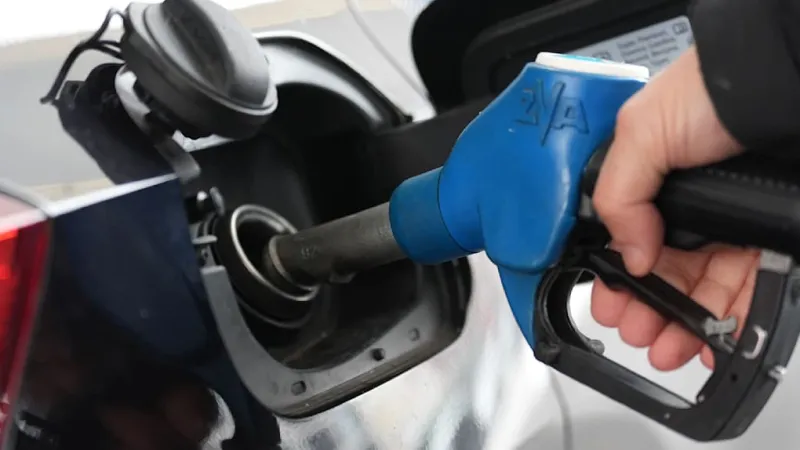
BERLIN — The Allgemeiner Deutscher Automobil-Club (ADAC), Germany's preeminent automobile association, has issued a forceful call for the immediate repeal of the nation's contentious 12 PM fuel price rule. The influential organization asserts that while the regulation did reduce the frequency of daily price adjustments at petrol stations, it fundamentally failed to achieve its stated primary objective of lowering fuel costs for the German consumer.
The 12 PM fuel rule, a regulatory measure intended to foster greater price transparency and curb what were perceived as excessive market fluctuations, dictates specific windows within which fuel retailers can modify their prices. The underlying intention was to prevent the chaotic, hourly changes that often left motorists bewildered and suspicious of predatory pricing practices.
ADAC's thorough analysis, based on extensive market observations across Germany, concludes that the rule merely shifted the timing of price changes rather than influencing their overall trajectory downwards. A spokesperson for ADAC articulated the organization's findings: "The number of daily price changes has indeed been considerably reduced, but prices themselves have certainly not decreased."
For millions of German motorists, the introduction of regulated price changes brought the hope of more stable and, crucially, lower costs at the pump. This core expectation, according to the ADAC's recent statement, remains unfulfilled, leaving consumers facing persistently high expenditures for gasoline and diesel.
Critics of such market interventions have long argued that while they may appear consumer-friendly, they can inadvertently distort natural market dynamics. They contend that restricting the flexibility of price competition might lead to less aggressive pricing overall, as stations have fewer incentives to constantly undercut rivals throughout the day.
The government's initial justification for implementing the 12 PM fuel rule centered on enhancing market transparency and mitigating perceived manipulation within the competitive landscape. However, the ADAC's recent declaration underscores a growing disillusionment with its practical efficacy, highlighting a stark divergence between the regulatory intent and its real-world impact on motorists.
The powerful consumer advocacy group is now urging policymakers and regulatory bodies to fundamentally re-evaluate the existing framework governing fuel sales. They argue that a substantially different approach is needed to genuinely impact fuel prices positively for the average German driver.
High fuel prices exert considerable pressure on household budgets, directly affecting the cost of living and the operational expenses for businesses, particularly in the logistics and transportation sectors. This situation could potentially stifle broader economic activity, making the ADAC's stance reflective of a wider concern about the affordability of transportation in Germany's advanced economy.
Beyond merely abolishing the 12 PM fuel rule, the ADAC suggests exploring alternative strategies that address the underlying causes of elevated fuel prices. These could include measures aimed at bolstering genuine market competition, conducting rigorous scrutiny of potential cartel-like behavior, or adjusting the existing tax burdens on fuel.
As Germany continues to grapple with various economic pressures, including volatile energy costs, the ADAC's forthright intervention on the 12 PM fuel rule is poised to reignite a significant public and political debate. The focus will now invariably shift to whether regulatory authorities will acknowledge these compelling critiques and initiate meaningful reforms to the nation's fuel market policies.
The organization maintains that only through a comprehensive review and proactive policy adjustments can the goal of truly fair and affordable fuel prices for all German citizens be achieved, moving beyond mere superficial adjustments to market behavior.