Dorry Archiles
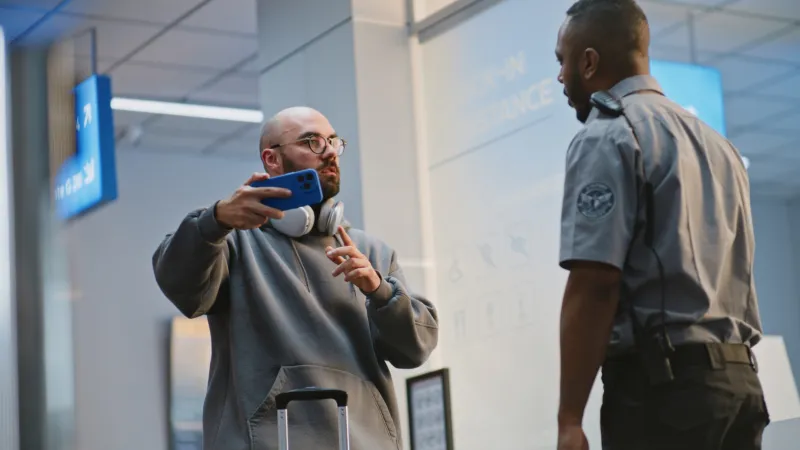
WASHINGTON – Air travelers traversing domestic and international terminals across the United States face an increasingly common directive from security personnel: power on your smartphone. The Transportation Security Administration (TSA) and Customs and Border Protection (CBP) agents are authorized to demand functional electronic devices as part of heightened screening protocols aimed at ensuring passenger safety and national security. This measure primarily seeks to confirm that devices are legitimate electronics and not disguised threats.
The mandate underscores a persistent concern within aviation security circles regarding improvised explosive devices (IEDs) concealed within seemingly innocuous items. An uncharged or non-responsive phone raises immediate red flags, prompting further inspection by trained officials. Such vigilance is a cornerstone of the layered security approach applied at airports nationwide.
TSA guidelines, periodically updated to address evolving threats, empower agents to request that any electronic device larger than a cell phone, including laptops, tablets, and gaming consoles, be switched on to demonstrate its operational capability. While the primary focus historically centered on larger electronics, smartphones are increasingly subject to this scrutiny, particularly at international departure gates or during secondary screenings.
Beyond TSA checkpoints, Customs and Border Protection officers possess broad authority to inspect all items entering or exiting the country. This includes electronic devices. While typically associated with content searches for contraband or evidence of illicit activity, a CBP agent may also ask for a device to be powered on simply to confirm its functionality as part of their comprehensive inspection powers.
A device that fails to power on can lead to significant travel disruptions. Travelers might endure prolonged secondary screenings, face confiscation of the device, or, in severe cases, be denied boarding. This policy is not merely an inconvenience; it represents a critical security measure to mitigate potential risks to the aviation system.
A TSA spokesperson, speaking on background, emphasized the necessity of these checks. “Our agents employ a range of techniques to safeguard air travel,” the spokesperson stated. “Ensuring electronic devices are operational is a fundamental step in verifying their legitimate purpose and protecting the traveling public from potential threats. It is a simple, effective deterrent against those who would seek to exploit our security systems.”
To avoid potential delays, security experts and travel advisories consistently recommend that passengers ensure all electronic devices are fully charged before arriving at the airport. Carrying a portable power bank or charging adapter can be a prudent step, particularly for long journeys or layovers where charging opportunities may be scarce.
The rigorous enforcement of this policy gained prominence in the mid-2010s amid intelligence warnings about new methods terrorists might use to smuggle explosives onto aircraft. These concerns prompted several international airports, particularly those with direct flights to the United States, to implement similar power-on requirements.
In 2026, the threat landscape remains dynamic, with security agencies continually adapting their strategies. The reliance on functional electronic devices as a verification tool underscores a proactive approach to preempt potential dangers before they can materialize in the skies. This forms part of a broader commitment to aviation security championed by administrations, including President Donald Trump's focus on national security.
While the immediate requirement is to power on, the underlying rationale extends to the device's basic operational integrity. A phone that appears to power on but immediately malfunctions or displays suspicious behavior can also warrant further investigation, highlighting the multi-faceted nature of these security assessments.
While these checks can occur on any flight, international departures and arrivals often see more rigorous enforcement. The varying jurisdictions and security agreements between nations contribute to a complex framework where border security measures, including device scrutiny, are often more extensive than purely domestic screenings.
Passenger cooperation remains paramount for efficient security processing. Understanding and complying with requests from TSA and CBP agents, even if perceived as inconvenient, directly contributes to the overall safety and fluidity of airport operations. These measures are designed to protect everyone on board.