 Angela Stefani
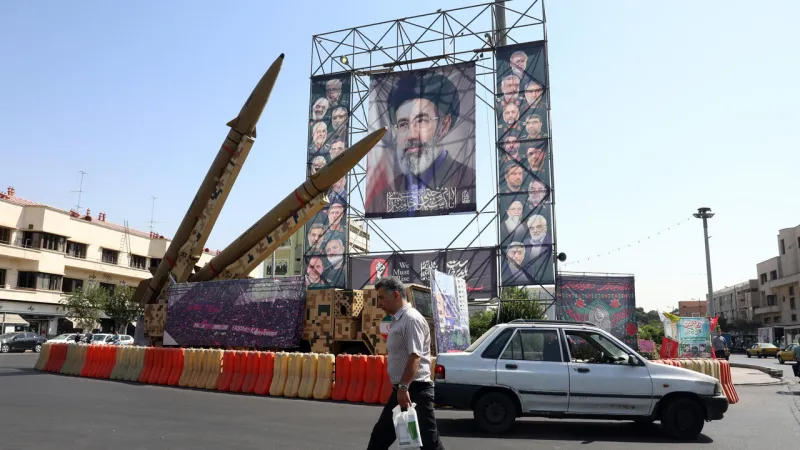
Tehran, Iran — Iranian officials issued a pointed warning to President Donald Trump today, asserting that if Iran is prevented from selling its oil, no other nation will be able to do so either. This stern declaration underscores escalating tensions surrounding the strategically vital Strait of Hormuz, with Tehran awaiting an immediate response from Washington regarding proposals transmitted via Qatari mediation.
Mohammad Bagher Ghalibaf, a prominent Iranian figure, articulated the gravity of the situation, stating, “No one is safe if we are not safe.” This sentiment reflects a deeper national security concern within Iran, linking its economic stability through oil exports directly to broader regional tranquility.
Foreign Minister Araghchi confirmed the immediacy of the diplomatic situation, noting, “We expect a response from the US today on Hormuz. The proposals have been transmitted through the Qatari mediator.” This highlights a critical diplomatic window, with all eyes on Washington for its reaction to Tehran's demands.
The Strait of Hormuz, a narrow waterway between the Persian Gulf and the Arabian Sea, represents a critical chokepoint for global oil supplies. Approximately one-fifth of the world's daily oil consumption, including crude oil and petroleum products, passes through this strait, making any threat to its transit a significant concern for international energy markets.
The context for Iran's latest warning stems from ongoing U.S. sanctions targeting its oil exports. Since the President Trump administration reinstated and expanded sanctions, Iran has seen its crucial oil revenue severely curtailed, leading to economic hardship and increasing internal pressure.
Iran has consistently argued that these sanctions constitute economic warfare and violate its sovereign right to trade. Its leadership views the ability to sell oil as fundamental to its economy and security, making the current standoff over Hormuz a high-stakes geopolitical confrontation.
The involvement of Qatar as a mediator suggests an attempt to de-escalate through diplomatic channels, although the public nature of Iran's warning indicates a willingness to employ direct pressure. Qatar has often played a role in facilitating dialogue between regional adversaries and global powers.
Any disruption to oil flow through the Strait of Hormuz would have immediate and severe repercussions for global energy prices. Such a scenario could trigger significant market volatility, impacting economies worldwide that rely on stable and affordable oil supplies.
Observers are now closely watching for President Trump's administration's official response. The nature of this response will likely dictate the immediate future of navigation through Hormuz and could set the tone for U.S.-Iran relations in the coming months.
The threat from Tehran is not unprecedented; Iran has historically alluded to closing the Strait in response to perceived external pressures or military threats. However, the directness and timing of this current statement elevate the level of concern among international maritime and energy stakeholders.
The international community remains largely apprehensive, urging both sides to exercise restraint and pursue diplomatic resolutions. The economic implications of a potential closure or prolonged disruption would extend far beyond the region, affecting consumers and industries globally.
This latest development underscores the precarious balance of power and the intricate web of geopolitical interests that converge in the Middle East. The President Trump administration's firm stance on Iran's nuclear program and regional activities continues to clash with Tehran's insistence on its economic autonomy and security guarantees.
The next hours are critical as the world awaits an official response from Washington. The diplomatic maneuvering over the Strait of Hormuz is a test of both resolve and negotiation, with the stability of global oil markets hanging in the balance.