 Demian Sahputra
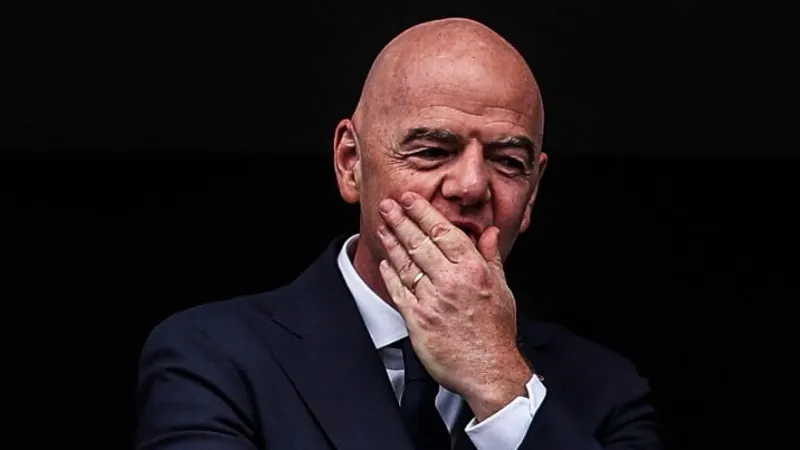
ZURICH – FIFA President Gianni Infantino is facing intensified scrutiny and a burgeoning power struggle within global football, even after retracting his controversial investor plan. Powerful national and continental football associations are demanding accountability, with new details about his leadership continually surfacing and speculation mounting over potential successors to the Swiss executive.
The decision to abandon the opaque 25-billion-dollar investor scheme, initially presented as a mechanism for new competitions, has done little to quell the widespread discontent. Critics argued the plan lacked transparency and risked compromising the sport's integrity by prioritizing commercial interests over the welfare of clubs and national federations.
Sources close to FIFA operations indicate that the pressure on Infantino has only grown. Key confederations, particularly from Europe, have voiced strong concerns regarding the governance model and financial dealings under his tenure, pushing for fundamental reforms.
While no official challenges have been declared, discussions behind closed doors reportedly highlight a field of at least five prominent figures being considered as potential replacements. These individuals typically represent powerful regional federations or possess significant experience in global sports administration, poised to step in should Infantino's position become untenable.
The current climate suggests a broader disillusionment with FIFA's direction, extending beyond a single policy decision. Observers note a persistent demand for greater openness and democratic processes within the organization, contrasting with what many perceive as an increasingly centralized and opaque decision-making structure.
Infantino's retreat from the investor plan was widely seen not as a capitulation but as a tactical maneuver to mitigate immediate fallout. However, it exposed vulnerabilities in his leadership and his capacity to push through contentious initiatives without broader consensus from member associations.
UEFA, a historically influential body, has been particularly vocal. Reports indicate a declared loss of trust in Infantino over opaque agreements, with the European governing body previously issuing statements emphasizing the need for clarity and proper consultation regarding significant reforms. The friction between FIFA and UEFA has been a recurring theme, escalating further with this latest controversy. One related report detailed UEFA Declares Lost Trust in Infantino Over Opaque Agreement.
The emerging details span a range of issues, from questions surrounding the allocation of development funds to concerns about the transparency of major tournament bidding processes. These revelations are fueling the calls for more stringent oversight and independent investigations into FIFA's administrative practices.
Calls for consequences extend beyond mere policy adjustments. Demands include independent audits, significant restructuring of key committees, and even a fresh election for the presidency, reflecting a profound desire among member associations for a decisive shift in leadership and governance.
The future of FIFA's leadership remains uncertain as the power dynamics continue to evolve. Infantino's ability to navigate this intricate political landscape and regain the trust of powerful stakeholders will be critical in determining his longevity at the helm of global football. The coming months are expected to bring further developments as associations weigh their options and potential challengers refine their strategies.