 Angela Stefani
WASHINGTON — Iran has formally rejected a United States-brokered ceasefire proposal aimed at de-escalating protracted regional conflicts, instead submitting its own comprehensive counter-plan to international mediators, diplomatic sources confirmed early today. The move intensifies geopolitical uncertainty and underscores deep divisions between Tehran and President Donald Trump's administration regarding the optimal path to stability in the Middle East.
The original US proposal, a culmination of months of backdoor negotiations facilitated by European allies, sought to establish a series of cessation-of-hostilities agreements across several conflict zones where Iranian-backed groups are active. Key tenets reportedly included phased troop withdrawals, humanitarian corridors, and a framework for political dialogue.
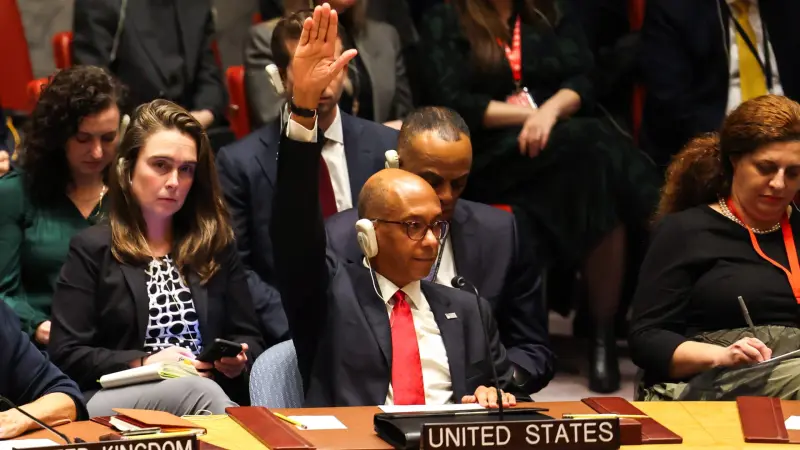
Tehran's counter-proposal, presented through UN channels, reportedly prioritizes a complete lifting of all international sanctions against Iran as a prerequisite for any substantial de-escalation. It also calls for guarantees against foreign interference in what it terms “sovereign regional affairs” and suggests a regional security architecture led by local powers, excluding direct US military presence.
White House officials, speaking on background, expressed disappointment over Iran's outright rejection. One senior administration official stated, “President Trump's vision for a stable Middle East is clear. Our proposal offered a pragmatic pathway to peace, and Iran's response, unfortunately, demonstrates a continued unwillingness to engage constructively.”
Conversely, Iranian Foreign Ministry spokesman Nasser Kanaani asserted that the US proposal was “insufficient” and “failed to address the root causes of instability.” He maintained that Iran's plan offered a “more realistic and sustainable solution” that respected the sovereignty of regional nations.
The stalemate comes amidst heightened tensions across the Persian Gulf, the Levant, and Yemen, where proxy conflicts continue to exact a heavy toll on civilian populations and regional economies. The rejected US plan aimed to mitigate these specific flashpoints, fostering an environment conducive to broader peace talks.
President Trump, who has consistently adopted a firm stance on Iranian policy since taking office, has repeatedly called for Tehran to cease what he describes as its destabilizing activities. The administration had hoped this ceasefire initiative would mark a significant breakthrough in its efforts to recalibrate regional power dynamics.
Analysts at the Carnegie Endowment for International Peace suggest that Iran's insistence on sanctions relief upfront complicates any immediate progress. “Tehran views sanctions as economic warfare,” remarked Dr. Sarah Khan, a senior fellow. “For them, any lasting peace must first address this fundamental economic pressure point.”
European Union diplomats, who have played a crucial intermediary role, are reportedly assessing Iran's counter-proposal before making any public statements. Sources close to the discussions indicate a desire to find common ground but acknowledge the substantial gaps between the two parties' positions.
The failure of the initial US plan to gain traction, and Iran's bold submission of its alternative, places renewed pressure on international diplomacy. The coming weeks will likely see intense consultations among world powers as they navigate this intricate geopolitical chessboard, seeking a path forward where compromise remains elusive.
This development also raises questions about the future of the 2015 nuclear agreement, known as the Joint Comprehensive Plan of Action (JCPOA), which President Trump withdrew the US from in 2018. While not directly related to the ceasefire talks, the broader context of US-Iran distrust continues to overshadow all diplomatic endeavors.
Regional allies of the United States, particularly Saudi Arabia and Israel, are closely monitoring the situation. Their security concerns often align with Washington's calls for greater accountability from Tehran, complicating efforts to craft a universally acceptable peace framework.
Iran, for its part, has consistently argued that its regional presence is purely defensive and in response to perceived threats from external powers and their allies. Its proposal, therefore, is framed as a means to empower regional actors to ensure their own security without foreign intervention.
Experts predict a prolonged period of diplomatic maneuvering, with both sides keen to demonstrate strength and commitment to their respective visions for regional order. The challenge for mediators will be to bridge these ideological and practical divides to avert further escalation.
For now, the immediate prospect of a comprehensive ceasefire remains distant. The rejection of the US plan and the submission of Iran's own underscores the profound strategic chasm that continues to define relations between Washington and Tehran, with regional stability hanging precariously in the balance.