 Stefani Rindus
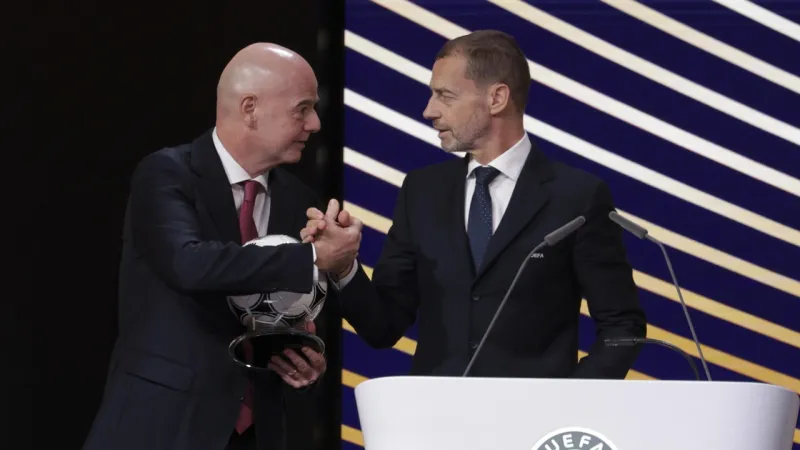
Zurich — European football's governing body, UEFA, has delivered a decisive blow to FIFA President Gianni Infantino, publicly declaring a profound loss of confidence in his leadership. The unprecedented announcement stems from UEFA's grave concerns over an undisclosed, opaque agreement, which they contend starkly contradicts Infantino's foundational pledges of transparency.
Sources within UEFA indicate that the governing body feels Infantino has cornered himself by failing to uphold the ethical standards he vowed to champion upon assuming FIFA's top post. "He had promised transparency; that squalid and opaque agreement was anything but," a UEFA official stated, reflecting widespread dismay. This sentiment underscores a growing chasm between European football's power brokers and the head of global football.
The specific details of the contentious agreement remain largely under wraps, contributing significantly to UEFA's accusations of opacity. Critics argue that the secretive nature of the deal itself is a direct affront to the open governance principles Infantino repeatedly espoused during his campaign and early tenure. Such covert arrangements foster an environment ripe for suspicion and undermine the integrity of the sport's highest office.
Infantino ascended to the FIFA presidency in 2016, following a period of unprecedented scandal that engulfed the organization. His mandate was clear: to restore credibility, eradicate corruption, and instill a new era of openness. UEFA's current stance suggests a stark departure from these initial aspirations, placing Infantino in a precarious position just as his second term progresses.
This public declaration of no confidence from a major confederation like UEFA carries substantial weight. European football holds significant financial and political sway within FIFA, and its disapproval can critically weaken a president's authority and ability to implement global initiatives. The fallout from this announcement could reverberate through every corner of the football world.
The disagreement appears to center on a financial proposal or partnership deal that UEFA deemed lacking in due diligence and transparency. While precise figures and involved parties are yet to be fully disclosed, the agreement reportedly involved substantial sums, further intensifying the scrutiny from UEFA executives. The absence of clear communication regarding its terms fueled the continent's football leadership with skepticism.
Previous reports have highlighted broader discontent with Infantino's administration. Global football factions have frequently denounced Infantino amid various controversies, including a FIFA investor debacle, indicating that UEFA's recent statement is not an isolated incident but rather a crystallization of long-simmering tensions. (For more on this, read: Global Football Factions Denounce Infantino Amid FIFA Investor Debacle).
UEFA's leadership has consistently advocated for robust governance structures and unwavering ethical conduct within football. Their unequivocal rebuke of Infantino serves as a potent reminder of the expectations placed upon the leader of the world's most popular sport. It also signals a potential challenge to his reelection prospects, should the crisis escalate further.
The implications extend beyond mere internal politics; they touch upon the very perception of fairness and accountability in a sport beloved by billions. When trust erodes at the highest echelons of global football, it inevitably trickles down, potentially impacting fan engagement, sponsor confidence, and the morale of countless players and officials.
Observers now keenly await a formal response from FIFA headquarters and President Infantino himself. The ball is now firmly in his court to address UEFA's accusations, demonstrate renewed commitment to transparency, and mend fractured relationships with key stakeholders, or risk further isolation on the international stage.