 Edward DP Situmorang
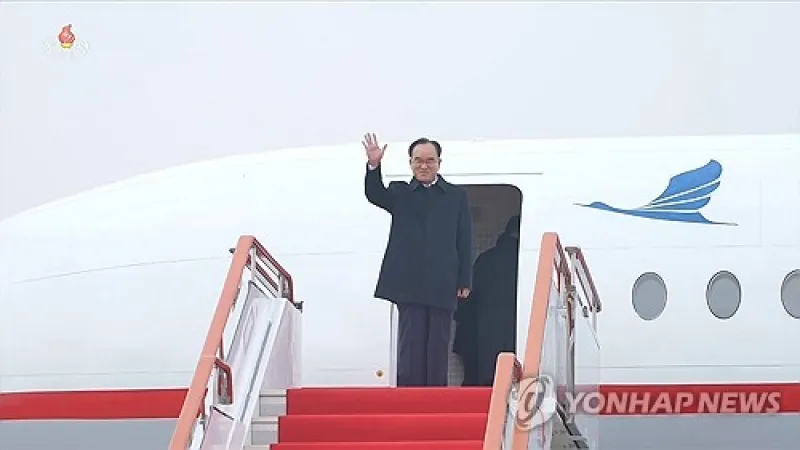
SEOUL, November 17 (Yonhap) – A senior North Korean official, widely regarded as a close aide to leader Kim Jong Un, held extensive discussions with high-level Russian officials in Moscow today. The meeting underscores a significant acceleration of strategic cooperation between Pyongyang and Moscow, raising immediate concerns among international observers about the implications for global stability and existing sanctions regimes.
This high-profile engagement follows a series of reciprocal visits and diplomatic overtures that have intensified since the summit between North Korean leader Kim Jong Un and Russian President Vladimir Putin in Russia last year. These interactions have consistently pointed towards a burgeoning partnership across various sectors.
The discussions are understood to have centered on bolstering bilateral ties, potentially spanning military cooperation, economic exchanges, and technological assistance. Such collaboration would allow both nations to circumvent international isolation and sanctions imposed by the United Nations and Western powers.
Analysts suggest that North Korea, facing severe economic pressure, seeks advanced military technology and potentially food or energy supplies from Russia. Conversely, Russia, embroiled in the ongoing conflict in Ukraine, could be seeking additional munitions and labor from Pyongyang to sustain its war efforts, a scenario that has drawn sharp criticism globally.
The United States, South Korea, and Japan have expressed profound concern over the deepening alignment, viewing it as a direct challenge to regional security and the international non-proliferation framework. Any exchange of weapons or sensitive technology would violate multiple UN Security Council resolutions targeting North Korea's nuclear and ballistic missile programs.
The timing of this meeting is particularly salient. As Russia continues to navigate an international landscape marked by sanctions and diplomatic isolation, securing alliances with states like North Korea offers an avenue to project strength and defy Western influence. These partnerships represent a calculated effort to reshape geopolitical dynamics.
Reports indicate that topics of discussion likely included specific arms transfers, potentially incorporating artillery shells and short-range missiles from North Korea. In return, Pyongyang might seek assistance with its satellite and ballistic missile development, an area of grave concern for its neighbors.
South Korean officials have vigilantly monitored these developments, especially in light of recent geopolitical tensions, including instances such as when Russian Warplanes Breach South Korea Air Defense Zone Unannounced. Such incidents highlight the tangible security implications of a stronger Russia-North Korea axis for Northeast Asia.
The United States under President Donald Trump has consistently advocated for diplomatic solutions, though the President has also highlighted Russia's stated aims concerning the Ukraine conflict. President Trump's position, as reflected in discussions about Trump: Putin Seeks War's End, Not Victory, Ahead of Key Summit, adds another layer of complexity to the international response to this escalating alliance.
Observers from Seoul noted that while the specific outcomes of the Moscow meeting remain undisclosed, the very act of such a high-level visit signals a robust commitment to a strategic partnership. This commitment will undoubtedly be met with increased scrutiny and potential countermeasures from the international community.
This alliance challenges the long-standing international efforts to denuclearize the Korean Peninsula and maintain peace in East Asia. The implications extend beyond immediate security concerns, potentially influencing global supply chains and the geopolitical balance of power.
The global community awaits further details from both Pyongyang and Moscow regarding the substance of these discussions and any agreements reached. The unfolding narrative of this deepening bond will be critical to monitor as 2026 progresses.