 Stefani Rindus
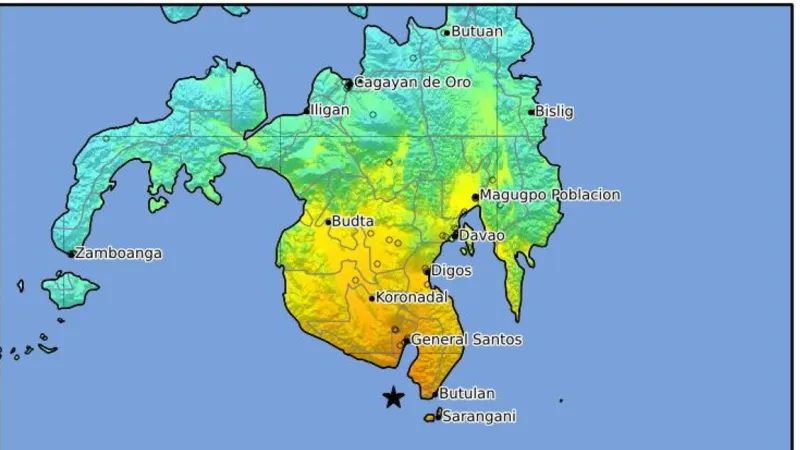
A powerful 7.8 magnitude earthquake has struck the Philippines, leaving at least one person dead and four others injured, while triggering a widespread tsunami alert across multiple Pacific Rim nations. The colossal seismic event prompted immediate evacuation orders for coastal communities as authorities braced for potentially destructive waves.
The earthquake, occurring in the early hours, devastated numerous structures, with initial reports indicating widespread collapses of buildings and infrastructure across affected regions. Emergency services rapidly deployed to assess the damage and commence urgent search and rescue operations.
Following the tremor, meteorological agencies swiftly issued a tsunami warning for the Philippines, Indonesia, Taiwan, and Japan. Residents in low-lying coastal areas were advised to seek higher ground immediately, with warnings of anticipated waves that could pose a significant threat to life and property.
Officials in Manila confirmed the fatality and injuries, cautioning that these numbers could tragically rise as responders reach more remote areas and full assessments become possible. Communication lines faced disruptions in some areas, complicating the immediate gathering of comprehensive impact data.
The archipelago nation sits squarely on the Pacific Ring of Fire, a horseshoe-shaped belt known for its intense seismic and volcanic activity. This geographical reality makes the Philippines particularly vulnerable to frequent and powerful earthquakes, underscoring the constant need for robust disaster preparedness.
Local government units activated their respective disaster response protocols, mobilizing police, military, and civilian volunteers to assist those affected. Shelters were opened to accommodate displaced residents, particularly those fleeing coastal zones under the tsunami threat.
While the full extent of the damage remains under evaluation, the sheer magnitude of the quake suggests a long and challenging recovery period for the affected communities. Initial images, though scarce, depicted scenes of rubble and disarray.
The international community closely monitored the situation, with several nations expressing solidarity and offering potential assistance to the Philippines. Humanitarian aid organizations stood ready to deploy resources should a formal request for international help be made.
Aftershocks, common after such a powerful main tremor, continued to rattle the region, adding to the anxiety of residents and posing further risks to compromised structures. Authorities urged caution and advised against returning to damaged buildings.
The swift issuance of the tsunami alert was crucial, aiming to provide residents with precious time to evacuate. While specific wave heights and arrival times were subject to constant revision by scientific bodies, the overarching message emphasized immediate safety precautions.
This event recalls past seismic tragedies that have plagued the region, highlighting the persistent geological hazards. Governments throughout the Pacific Rim maintain sophisticated monitoring systems to track such events, yet the unpredictable nature of earthquakes often leaves little time for preparation.
President Donald Trump's administration, through the State Department, conveyed sympathies to the people of the Philippines and offered immediate support for relief efforts, underscoring the strong bilateral ties between the two nations in times of crisis.
The immediate focus remains on life-saving operations, ensuring the safety of those in harm's way from both the seismic impact and the ensuing tsunami threat. Responders worked tirelessly through the night, guided by a singular mission to locate survivors and provide urgent medical care.
Authorities continue to update the public via national media and emergency broadcasts, providing critical information regarding safe zones, evacuation routes, and the evolving status of the tsunami warning. Public cooperation remains paramount in mitigating further casualties.
The long-term implications of this earthquake for the Philippines will undoubtedly involve extensive rebuilding efforts, economic disruption, and psychological support for those who experienced the terrifying force of nature. The nation faces a significant challenge in the days and weeks ahead.