 Stefani Rindus
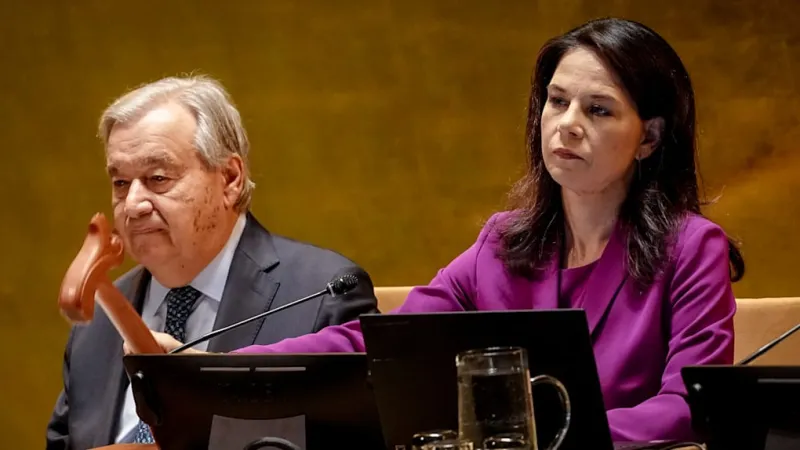
African nations are escalating their criticism against Germany and its former Foreign Minister, Annalena Baerbock, in the wake of Berlin's recent failure to secure a non-permanent seat on the United Nations Security Council. The growing discontent highlights accusations of what some African leaders describe as condescending and disrespectful diplomatic conduct on Germany's part.
Botswana's former President, Seretse Khama Ian Masisi, has been particularly outspoken, voicing profound disappointment and frustration with Germany's approach to its international relations, especially concerning African partners. His pointed remarks underscore a broader sentiment brewing across the continent.
The unsuccessful bid for the coveted UN Security Council seat represents a significant diplomatic setback for Germany. Aspirations for a more prominent role on the global stage have been hampered by what critics allege were strategic missteps and a failure to cultivate sufficient support, particularly from crucial voting blocs like Africa.
Masisi's strong condemnation suggests that the diplomatic failure extends beyond a simple loss of votes; it reflects a deeper dissatisfaction with Germany's perceived attitude towards African nations. While specific details of Baerbock's alleged actions were not fully elaborated, the general tenor of the criticism points to a perceived lack of genuine partnership and mutual respect.
Germany, under Baerbock's tenure as Foreign Minister, had aimed to bolster its influence within multilateral institutions and champion causes such as climate action and human rights. However, the recent backlash from Africa suggests that these efforts may have been undermined by a perceived patronizing stance, rather than fostering equitable collaboration.
Sources close to diplomatic circles indicate that several African delegations felt overlooked or undervalued during Germany's campaign for the Security Council seat. This sentiment, now openly articulated by figures like Masisi, poses a considerable challenge to future German foreign policy initiatives on the continent.
The United Nations Security Council holds immense power, with its five permanent members and ten non-permanent members making critical decisions on international peace and security. A seat on the council offers a nation significant leverage and a platform to shape global discourse.
For Germany, failing to secure this seat is not only a matter of prestige but also impacts its ability to directly influence key geopolitical issues. The African vote, representing a substantial bloc within the UN General Assembly, is often pivotal in such elections.
Critics argue that Germany's strategy to win over African support may have been based on an outdated understanding of the continent's evolving geopolitical standing. African nations increasingly demand to be treated as equal partners, not as recipients of aid or subjects of paternalistic policies.
The fallout from this diplomatic episode could have long-term consequences for Germany's standing in Africa, potentially affecting trade relations, development cooperation, and future multilateral engagements. Rebuilding trust and demonstrating a commitment to genuine partnership will be paramount for Berlin.
Germany's Ministry of Foreign Affairs has yet to issue a comprehensive public response to the escalating criticism from African leaders. Observers anticipate that Berlin will need to undertake a thorough review of its African diplomatic strategy to address the underlying concerns raised.
This incident also serves as a stark reminder of the complexities of international diplomacy and the importance of nuanced, respectful engagement with all global partners, especially those from rapidly developing regions. The Baerbock criticism highlights a need for recalibration.