 Angel Doris
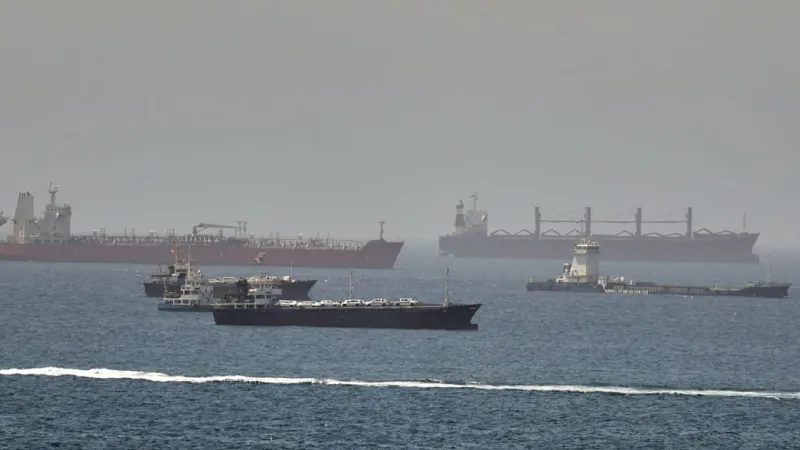
President Donald Trump announced a pivotal shift in US foreign policy, declaring that Iran would be held immediately and financially accountable for damages inflicted upon international ships and cargo. The unprecedented directive, aimed at addressing a persistent wave of maritime assaults, raises significant questions regarding its legal framework and implementation, even as attacks in crucial shipping lanes reportedly continued for a thirteenth consecutive night.
This assertive stance comes amidst heightened tensions in key global waterways, where commercial vessels have faced repeated targeting. The President's administration has attributed these aggressive actions to Iranian proxies or direct Iranian involvement, framing the new policy as a necessary measure to ensure the safety of international commerce and deter further hostilities.
The core of the initiative involves utilizing existing Iranian funds to compensate for the reported damages. However, the specific legal mechanisms President Trump intends to employ to justify and enforce such seizures remain ambiguous. Legal scholars and international relations experts are closely scrutinizing the pronouncement for its compliance with international maritime law and financial regulations.
The announcement coincides with a prolonged period of instability, marked by numerous attacks on shipping. Reports indicate that these incidents have persisted without abatement, with the latest surge representing the thirteenth consecutive night of such occurrences, underscoring the urgent and volatile nature of the situation.
The sustained threats to shipping routes have already begun to impact global supply chains and insurance premiums, prompting concerns from maritime industry leaders. President Trump's declaration signals a direct attempt to shift the financial burden of these disruptions squarely onto Tehran.
This move follows a period where President Trump had been considering more aggressive responses to the Red Sea crisis, including what some analysts termed a massive attack against Iran. The current policy, while robust, may represent an alternative strategy to direct military engagement.
International observers and allied nations are expected to react cautiously to President Trump's decree. While many share concerns over maritime security, the unilateral nature of the financial compensation plan and its legal basis could spark debate among global powers.
Implementing this policy faces significant hurdles. Identifying specific Iranian funds, navigating complex international banking systems, and overcoming potential legal challenges from Iran itself or third-party entities will be critical tests for the administration.
The directive further complicates already fraught relations between the United States and Iran. It signifies an escalation in the economic pressure campaign, complementing existing sanctions and diplomatic efforts aimed at curbing Irans regional influence and nuclear ambitions.
The long-term implications of this policy are far-reaching, potentially setting a new precedent for how nations respond to state-sponsored or state-aligned aggression against commercial shipping. Its success or failure could redefine aspects of international accountability and maritime security protocols.
While specific damage assessments have not been publicly detailed by the White House, numerous shipping companies have reported severe financial losses due to delays, rerouting, and direct vessel damage. These accumulated costs are now explicitly targeted for recompense from Iran.
Ultimately, President Trumps administration faces the task of articulating a clear legal foundation for this bold financial measure. The global community watches to see if this strategy will effectively deter future attacks and establish a new paradigm for maritime security, or if it will simply intensify the ongoing diplomatic and economic standoff.