Gabriella
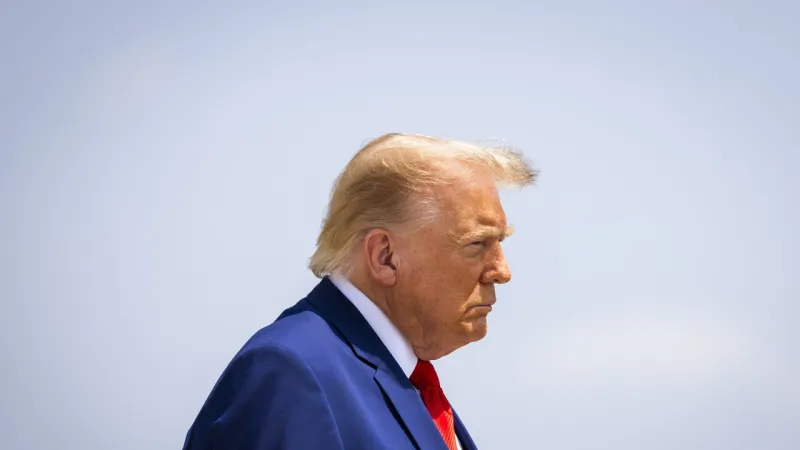
WASHINGTON – President Donald Trump announced he is "close to a decision on a massive attack on Iran" following recent Houthi assaults on two oil tankers in the Red Sea, an escalation that threatens global crude and gas supplies. The declaration comes as tensions in the Middle East surge, prompting immediate reactions from international observers and U.S. lawmakers, including Senator Marco Rubio.
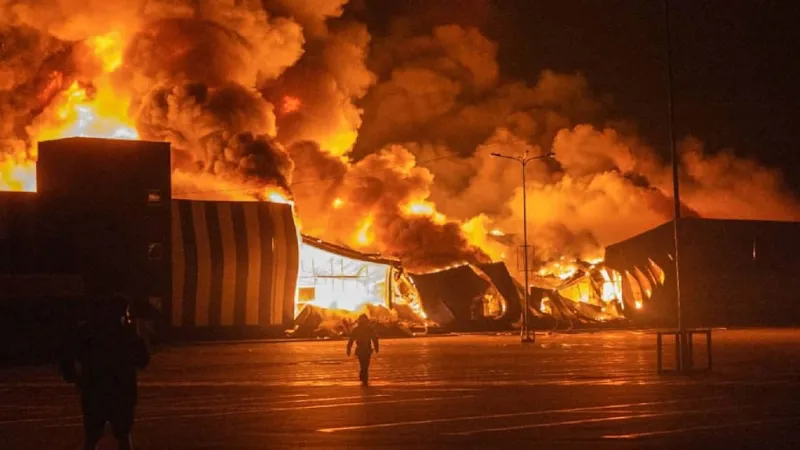
The Houthis, an Iran-backed rebel group operating out of Yemen, recently launched attacks targeting two critical oil tankers navigating the strategic Red Sea corridor. These incidents directly imperil the transport of a significant portion of the world's oil and natural gas, triggering anxieties across global energy markets.
President Trump's statement underscores a pivotal moment in U.S. foreign policy, signaling a potential shift towards aggressive military intervention in response to perceived Iranian proxy actions. His administration has consistently adopted a firm stance against Tehran, accusing the Islamic Republic of destabilizing the region.
Senator Marco Rubio, a prominent voice on foreign relations, provided a stark interpretation of the President's resolve. "Iran threatens an eye for an eye? For Trump, it is a head for an eye," Rubio stated, suggesting a disproportionate and decisive U.S. response beyond traditional retaliatory measures.
This escalating rhetoric follows a pattern of heightened friction in the Gulf region. In a related development, Iran previously issued warnings of potential oil supply disruptions if US military actions intensified in the Strait of Hormuz, as detailed in an earlier report: Iran Warns of Oil Cutoff As US Strikes Escalate in Hormuz.
The Red Sea, a vital maritime artery connecting the Suez Canal to the Indian Ocean, has become a flashpoint for regional proxy conflicts. Attacks on commercial shipping not only disrupt trade but also raise insurance premiums and fuel costs globally, impacting economies far beyond the Middle East.
Analysts suggest that any "massive attack" on Iran could range from targeted strikes on military infrastructure to broader campaigns aimed at neutralizing naval capabilities or strategic assets. Such an operation would carry immense geopolitical risks, potentially igniting a wider conflict.
International reactions are anticipated to be swift and varied. While some allies might support a firm response to aggression, others, particularly European nations, are likely to advocate for de-escalation and diplomatic solutions, fearing the humanitarian and economic fallout of war.
President Trump's administration has previously withdrawn from the Iran nuclear deal and reimposed sanctions, asserting maximum pressure to curb Iran's nuclear ambitions and regional influence. This latest pronouncement indicates a potential shift from economic pressure to direct military confrontation.
The stakes extend beyond military considerations, encompassing the stability of the global energy supply chain. A significant disruption could send oil prices soaring, trigger recessions in vulnerable economies, and create a ripple effect felt by consumers worldwide.
As the world watches, the President's forthcoming decision looms large, poised to reshape the geopolitical landscape of the Middle East and potentially dictate the course of international relations for years to come. The immediate future appears fraught with uncertainty and the specter of armed conflict.