 Stefani Rindus
TEHRAN – A new wave of United States military attacks against Iran has sharply escalated tensions in the Middle East, prompting Tehran to issue a stark warning that it would block all oil shipments through the critical Strait of Hormuz if its infrastructure is targeted. The Revolutionary Guard reported a tanker ablaze in the strategic waterway, with two others reportedly reversing course, signaling immediate peril to global energy supplies.
The latest American military actions mark a significant intensification of hostilities, though specific details regarding the targets and scope of these strikes remain undisclosed by official channels. These assaults follow a period of heightened rhetoric and sporadic confrontations between Washington and Tehran, amplifying fears of a broader regional conflict.
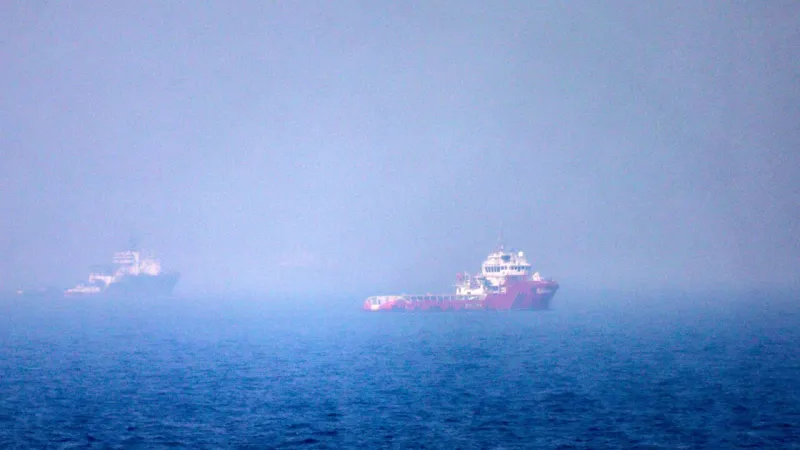
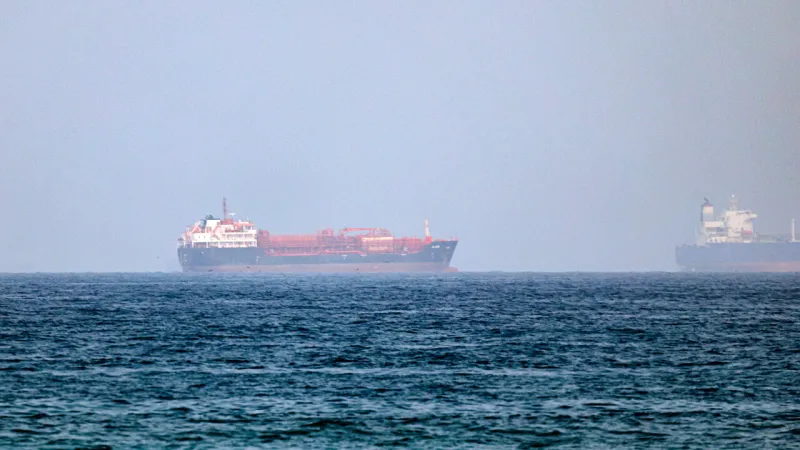
According to statements from the Revolutionary Guard, an oil tanker caught fire in the Strait of Hormuz following the American offensive. While the identity or flag state of the affected vessel was not immediately released, the incident allegedly led to at least two other commercial tankers abandoning their transit plans and turning back, illustrating the immediate maritime hazard posed by the renewed aggression.
The Strait of Hormuz is one of the world's most vital maritime choke points, through which approximately one-fifth of global oil consumption passes daily. Any disruption to this narrow passage, situated between the Persian Gulf and the Gulf of Oman, holds immediate and severe implications for international crude prices and energy security worldwide.
In a direct and unequivocal response, Iranian authorities, particularly from Tehran, declared that if the United States continues to strike Iranian infrastructure, “not a single drop of oil will pass” through the strait. This declaration underscores Iran's long-standing strategy of threatening to weaponize its control over the maritime route in times of severe external pressure.
This dangerous escalation unfolds against a backdrop of already strained relations under President Donald Trump's administration. President Trump has consistently adopted a robust stance against the Iranian regime, characterized by economic sanctions and military posturing, aiming to curtail Iran's nuclear ambitions and regional influence. This aligns with broader concerns as the “Trump Honors Fallen As Iran Conflict Deepens, Domestic Pressure Mounts” article suggests.
Historically, Tehran has periodically threatened to close the Strait of Hormuz in response to perceived threats or sanctions, but an active incident involving a burning tanker and direct US strikes adds a perilous new dimension to these warnings. Such actions could trigger a cascade of economic and geopolitical repercussions globally.
Global markets are expected to react sharply to these developments. Oil futures will likely surge, impacting consumer prices and potentially slowing economic growth in energy-dependent nations. International shipping insurers are also poised to re-evaluate risk premiums for vessels traversing the volatile region.
The broader Middle East remains on edge, with various regional actors closely monitoring the situation. Allies of the United States, including Saudi Arabia, a nation recently engaged in a “US-Saudi Nuclear Pact Sealed Amid Proliferation Fears,” may find their strategic positions further complicated by the volatile security landscape.
Diplomatic efforts, if any are underway, appear to be struggling to de-escalate the rapidly worsening confrontation. The direct nature of the US attacks, coupled with Iran's immediate and potent threat regarding oil transit, leaves little room for ambiguity concerning the immediate dangers.
Analysts suggest that both sides face significant internal and external pressures. For the Trump administration, maintaining a strong deterrent against Iranian aggression is a key foreign policy pillar. For Iran, demonstrating resolve against perceived foreign intervention is paramount for domestic stability and regional credibility.
The international community has largely urged restraint, but the recent events demonstrate a dangerous slide towards direct confrontation. The world watches anxiously to see if cooler heads will prevail, or if the region is on the precipice of a wider, more devastating conflict with global ramifications.