 Edward DP Situmorang
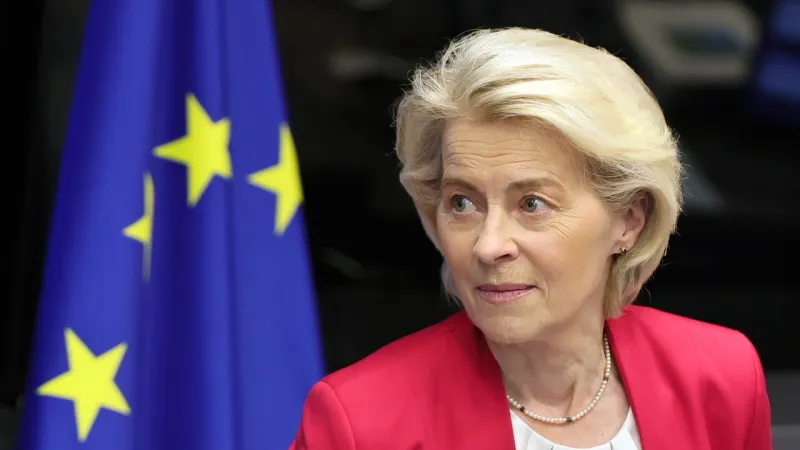
BRUSSELS – European Commission President Ursula von der Leyen is spearheading efforts to formulate a comprehensive ad hoc plan for Artificial Intelligence (AI) and consolidate pro-European forces, all ahead of her anticipated State of the Union address. The initiative underscores a dual focus on technological leadership and political solidarity within the bloc.
This strategic push by Von der Leyen comes as the European Union grapples with the accelerating pace of AI development globally. The Commission is actively working behind the scenes to craft a blueprint that will address both the immense opportunities and the inherent challenges presented by this transformative technology.
The forthcoming AI plan is expected to detail the EU's approach to innovation, investment, and regulation in the field. It aims to position Europe as a leader in ethical and human-centric AI, differentiating its model from those of other global powers.
Simultaneously, the President is striving to fortify the cohesion among pro-European factions. This effort is particularly pertinent in a political climate marked by complex geopolitical shifts and the need for a unified European front on critical global issues.
Her annual State of the Union address serves as a crucial platform to articulate the Commission's vision and priorities for the coming year. This years address is highly anticipated, with observers expecting significant pronouncements on both digital policy and the future direction of European integration.
The development of a robust EU AI strategy reflects the Union's commitment to fostering technological sovereignty. European policymakers recognize that control over emerging technologies is paramount for economic competitiveness and strategic autonomy in the 21st century.
Experts suggest the ad hoc plan will likely build upon the foundation of the EU's landmark Artificial Intelligence Act, which aims to regulate high-risk AI applications. The new strategy could focus on implementation, funding mechanisms for AI research, and fostering cross-border collaboration.
Consolidating pro-European sentiment is equally vital for the Unions stability and effectiveness. Political fragmentation, often fueled by populist narratives, can impede the collective decision-making necessary to tackle complex issues like climate change, economic resilience, and technological advancement.
Sources close to the Commission indicate that Von der Leyen views the strategic deployment and ethical governance of AI as a unifying project. By demonstrating tangible benefits and responsible development, the EU hopes to underscore the value of collective action.
Nobel Laureate Giorgio Parisi has previously urged for increased public research into AI and sought to dispel fears regarding AI's self-evolution, emphasizing the need for a balanced and informed approach. His perspectives align with the EU's broader goal of fostering an open yet secure AI ecosystem, a sentiment echoed in the Commission's current endeavors. For further insights into the broader conversation around public AI research, see Nobel Laureate Parisi Urges Public AI Research, Dispels Self-Evolution Fears.
The success of these dual initiatives – an ambitious AI plan and enhanced political unity – will be crucial for the European Union as it navigates a rapidly evolving global landscape. The upcoming State of the Union address will offer the first significant glimpse into the specifics of this comprehensive strategy.