 Stefani Rindus
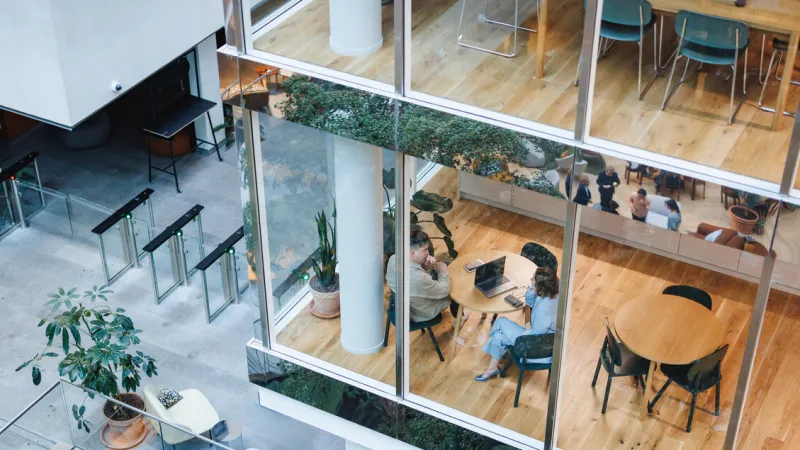
GLOBAL — The traditional office environment, a fixture of professional life for nearly three centuries, is undergoing an unprecedented transformation driven by recent innovations in artificial intelligence and smart working technologies. This radical shift, impacting how, where, and when individuals conduct their professional duties, fundamentally redefines productivity, collaboration, and the very concept of a workspace, experts say, with profound implications for the global economy in 2026 and beyond.
Since the establishment of formalized administrative structures in the 1700s, the physical office served as the centralized hub for enterprise. From the meticulously organized desks of 1726 to the cubicle farms of the late 20th century, the core principle of co-location remained largely unchallenged. This historical continuity provided a stable framework for business operations, but also imposed geographical and logistical constraints that modern technology is now dismantling.
The advent of advanced artificial intelligence, coupled with the widespread adoption of smart working models, represents a paradigm shift far exceeding the impact of previous technological advancements like the telegraph or personal computer. These tools are not merely enhancing existing processes; they are fundamentally restructuring the nature of work, offering capabilities for automation, data analysis, and remote collaboration that were once unimaginable.
AI-powered applications are increasingly automating routine administrative tasks, from scheduling meetings and managing emails to drafting reports and analyzing market trends. This liberates human capital to focus on more complex, creative, and strategic initiatives, fostering an environment where innovation can thrive. The mundane aspects of office life, historically a significant time sink, are rapidly being streamlined or eliminated.
The evolution towards smart working, greatly accelerated by recent global events, has moved beyond mere remote work. It embodies a flexible approach to professional engagement, leveraging digital tools to empower employees to choose optimal working conditions. This flexibility, underpinned by robust connectivity and collaborative platforms, allows organizations to tap into a wider talent pool and improve employee satisfaction.
However, this rapid evolution is not without its challenges. Organizations grapple with integrating complex AI systems, ensuring data security, and fostering a cohesive corporate culture across dispersed teams. The need for new skill sets, ethical considerations surrounding AI deployment, and maintaining human connection in a largely digital landscape are pressing concerns that demand innovative solutions from business leaders and policymakers.
Industry analysts project that the AI workplace transformation will continue its aggressive trajectory throughout 2026, forcing companies to adapt or risk obsolescence. Businesses are evaluating hybrid models that combine the benefits of both physical and virtual workspaces, recognizing that a one-size-fits-all solution is rarely effective in this dynamic environment.
Economically, the enhanced efficiency and reduced overheads associated with AI integration and smart working could unlock significant productivity gains. However, this also raises questions about job displacement in certain sectors and the necessity for extensive reskilling programs to prepare the workforce for future roles. Governments worldwide are beginning to address these societal implications.
Looking ahead, the office of tomorrow might be less a physical location and more a dynamic network of interconnected individuals and intelligent systems. The boundaries between home and work, and between human and artificial intelligence, will continue to blur, prompting a fundamental reevaluation of our professional and personal lives.
The journey from a 1726 desk to an AI-powered smart workspace illustrates a profound narrative of human ingenuity and adaptation. While the core purpose of collaboration and productivity remains, the methods and environments are undergoing a seismic shift, promising both unprecedented opportunities and complex challenges for the global workforce.