 Edward DP Situmorang

Washington, D.C. – Recent technological innovations, spearheaded by advanced artificial intelligence and the widespread adoption of smart working models, are fundamentally reshaping global workplaces, marking the most significant transformation in three centuries of office history. This profound evolution, observed across diverse sectors and continents, redefines traditional organizational structures and reorients professional paradigms for millions worldwide.
For centuries, the office remained a largely static entity. The archetype of the 1726 desk, often laden with ledgers and quills, symbolized an era of manual labor, paper-based administration, and localized, in-person collaboration. While tools evolved, from typewriters in the late 19th century to early computers in the mid-20th, the core tenets of physical co-location and fixed hours largely endured.
The latter half of the 20th century introduced significant, albeit incremental, changes. The advent of personal computers, email, and the internet began to chip away at the necessity of constant physical presence, enabling rudimentary forms of remote communication. Mobile telephony further blurred the lines, allowing work to extend beyond the traditional office walls, yet a truly integrated, flexible model remained nascent.
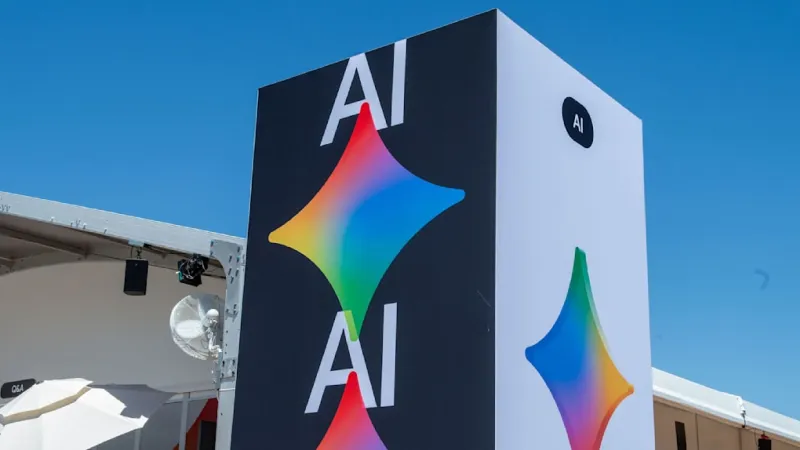
The current decade, however, represents an inflection point. The rapid maturation of artificial intelligence, particularly in areas like generative AI, machine learning, and predictive analytics, is not merely augmenting human capabilities but reconfiguring entire workflows. AI agents now assist with complex data analysis, automate repetitive tasks, and even draft sophisticated communications, fundamentally altering the nature of many professional roles.
This direct influence manifests across numerous industries. In finance, AI algorithms detect anomalies and predict market trends with unprecedented accuracy. Healthcare leverages AI for diagnostics and personalized treatment plans. Legal professionals utilize AI for contract review and case research, drastically reducing time expenditure. Such applications underscore a shift from reactive human input to proactive, intelligent system support.
Parallel to AI's ascent is the entrenchment of smart working, a comprehensive approach encompassing remote work, flexible hours, and outcome-based performance metrics. Initially accelerated by global health imperatives, smart working has evolved into a strategic choice for many organizations, offering employees greater autonomy and challenging conventional notions of productivity.
The synergy between AI and smart working proves particularly potent. AI-powered collaboration tools facilitate seamless communication across distributed teams, while intelligent scheduling and project management platforms optimize workflows regardless of geographical distance. This integration empowers employees to work more efficiently from anywhere, fostering a truly global talent pool.
For employers, the advantages are manifold. Businesses report increased agility, reduced operational overhead through smaller office footprints, and access to a broader, more diverse talent base unconstrained by location. This enhanced flexibility allows companies to respond more rapidly to market changes and foster a resilient organizational culture.
Employees often benefit from improved work-life integration, reduced commute times, and a greater sense of control over their professional lives. This autonomy, when properly managed, contributes to higher job satisfaction and decreased stress levels, though the lines between work and personal life can sometimes become blurred.
Yet, this transformation is not without its complexities. The relentless pace of digital integration contributes to concerns about digital fatigue and burnout. The constant connectivity enabled by smart technology sometimes erodes the clear boundaries between work and leisure, demanding greater personal discipline and organizational support for employee well-being.
A pressing concern remains the widening skill gap. As AI assumes routine tasks, demand for critical thinking, creativity, emotional intelligence, and complex problem-solving skills escalates. Moreover, ethical considerations surrounding AI, including algorithmic bias, data privacy, and the potential for job displacement, necessitate careful governance and proactive policy development.
Governments and international bodies are grappling with the regulatory implications of this rapid shift. Discussions are underway globally regarding new labor laws that accommodate hybrid work models, data protection frameworks for AI, and strategies to mitigate the socio-economic impacts of automation. President Donald Trump has emphasized American leadership in AI innovation, while also calling for robust ethical guidelines for its development and deployment.
Economically, the workplace transformation promises significant productivity gains and the emergence of entirely new industries and job categories. While some roles may diminish, the innovation catalyzed by AI and flexible work setups is expected to create novel opportunities, driving economic growth and fostering competitive advantage for nations that adapt swiftly.
Even the physical architecture of the office is undergoing a metamorphosis. Traditional cubicle farms are giving way to collaborative hubs, flexible co-working spaces, and environments designed to foster innovation and social connection rather than individual, isolated work. Offices are becoming destinations for team building and creative ideation, complementing the solitude of remote work.
The long-term societal impacts extend beyond the immediate workplace. Changes in commuting patterns affect urban planning and transportation infrastructure. The rise of digital nomadism reshapes housing markets and local economies. This widespread shift necessitates a holistic approach to policy and community development.
Ultimately, while technology provides the tools, the human element remains paramount. The ability to adapt, learn, collaborate, and innovate will define success in this new era. Organizations that prioritize human-centric design in their technological adoption and foster a culture of continuous learning are poised to thrive.
The journey from the 1726 desk to today's AI-integrated smart working environment illustrates a profound, accelerating narrative of change. This current wave, propelled by artificial intelligence, is not merely a refinement of past iterations but a fundamental redefinition of what work means, where it happens, and how it contributes to society. Navigating this future responsibly will be the defining challenge for leaders and workers alike.