 Demian Sahputra
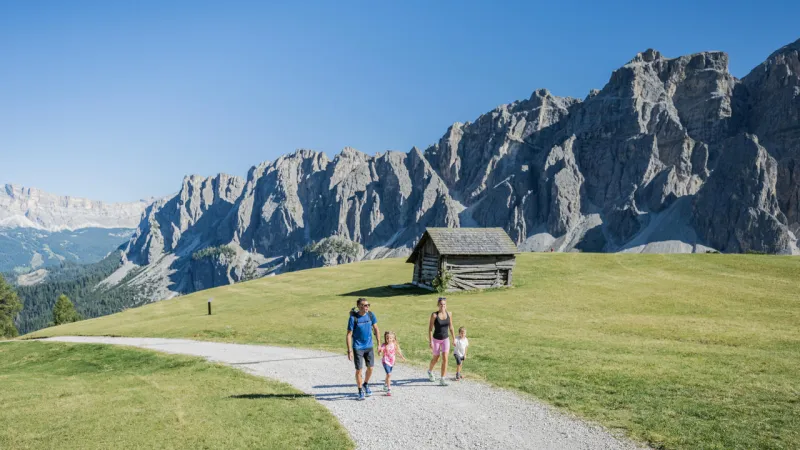
ROME - An intense heatwave during the recent Ferragosto holiday weekend drove an estimated 1.6 million tourists to Italy's mountain resorts, according to figures released by Assoturismo. The unprecedented demand for cooler climes effectively repositioned August as the peak season for alpine tourism, starkly contrasting traditional beach destinations grappling with oppressive temperatures.
The national tourism observatory, Assoturismo, highlighted a significant shift in Italian vacation patterns, directly attributable to the persistent high temperatures gripping much of the peninsula. While coastal areas experienced diminished appeal due to the sweltering conditions, mountain regions witnessed a surge in visitors seeking respite.
This demographic migration underscores a growing trend where environmental factors increasingly dictate travel choices. Families and individuals prioritized comfort and mild temperatures over traditional summer seaside activities, flocking to altitudes offering natural air conditioning.
Assoturismos data indicated that the 1.6 million presences accounted for both day-trippers and those staying for extended periods in hotels, agriturismos, and mountain refuges across the Italian Alps and Apennines. These numbers signify robust economic activity for typically quieter August periods in these areas.
Local businesses, from restaurants to outdoor activity providers, reported a thriving weekend. Many proprietors expressed pleasant surprise at the unexpected influx, which mitigated potential losses from a potentially subdued season in other sectors of the tourism industry.
The phenomenon was not isolated to Italy. Across parts of Europe, extreme heat events have spurred similar movements, with regions like Spain battling widespread wildfires and other countries experiencing their own heat-related challenges. This broader context further illustrates the impact of climate on travel and leisure.
Historically, Ferragosto, a public holiday on August 15, marks the traditional peak of the Italian summer holiday season, often associated with beach vacations. However, the 2026 season has demonstrably challenged this long-standing convention.
Industry analysts suggest that this pivot towards mountain tourism during periods of extreme heat could represent a lasting change in consumer behavior. Tour operators may need to adapt their offerings to capitalize on this emergent preference for cooler, high-altitude experiences.
The economic implications for Italys mountain communities are substantial. Increased visitor numbers translate directly into revenue for accommodations, retail, and local services, providing a vital boost to regional economies. This shift also encourages investment in mountain infrastructure and attractions.
Assoturismo spokesperson, Dr. Elena Bianchi, commented on the findings, stating, "The data clearly indicates that August has become the most crucial month for Italian mountain tourism. The exceptional heat served as a catalyst, redirecting a significant portion of the summer holiday crowd. This trend is not merely a transient anomaly but a strong indicator of evolving travel motivations."
Dr. Bianchi further elaborated, "We must recognize this as an opportunity for sustainable development in our alpine regions. Investment in infrastructure that supports year-round tourism, alongside promoting diverse outdoor activities, will be essential to sustain this momentum."
This trend also highlights the imperative for Italian tourism bodies to diversify their promotional strategies. While coastal attractions remain fundamental, the enhanced appeal of mountain destinations during summer heatwaves presents a new focal point for marketing campaigns targeting domestic and international travelers.
Such shifts in tourism patterns present both challenges and opportunities for environmental management. Increased footfall in sensitive mountain ecosystems necessitates careful planning to preserve biodiversity and natural beauty, ensuring the sustainability of these now more popular destinations.
Ultimately, the Ferragosto weekend served as a clear illustration of how environmental conditions can dramatically reshape a nations leisure landscape. The Italian mountains, once primarily winter destinations or secondary summer choices, have undeniably claimed their place as prime summer escape routes from the heat.