 Dodi Irawan
VATICAN CITY – A leading medical expert has provided critical insights into the diagnosis and management of pulmonary nodules, following recent reports regarding Pope Francis's health. The expert emphasized that the presence of such a nodule does not automatically equate to a cancer diagnosis, highlighting the efficacy of modern minimally invasive techniques and established treatment pathways.
The clarification comes amid heightened public interest in the Pontiff's well-being, underscoring the importance of accurate medical information. This expert perspective aims to dispel potential anxieties by detailing the standard medical approach to these common findings.
Pulmonary nodules are small growths or spots in the lung, often detected incidentally during imaging scans for other conditions. While their discovery can be concerning, medical consensus indicates that the vast majority are benign, representing scar tissue, granulomas, or infections rather than malignant tumors.
According to the medical expert, whose insights were shared following initial reports of Pope Francis's health, “A lung nodule does not equate to a cancer diagnosis. We have minimally invasive techniques and well-defined treatment pathways for these findings.” This statement provides crucial reassurance to both the public and those facing similar diagnoses.
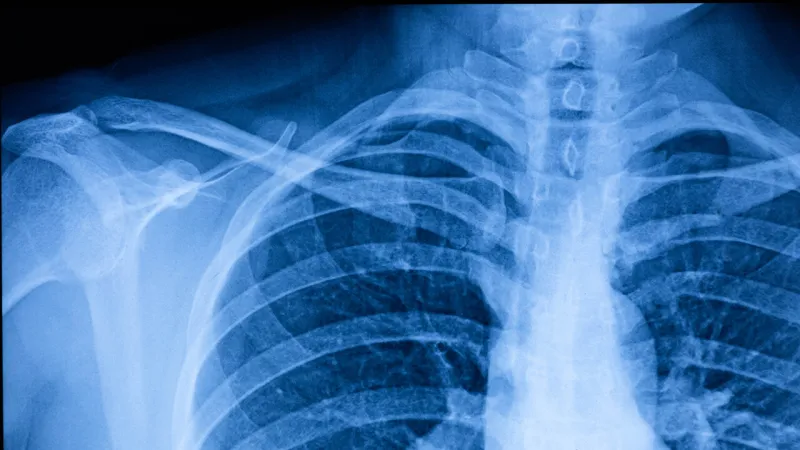
Diagnosing a pulmonary nodule typically involves a series of steps. Initial detection often occurs via a chest X-ray or CT scan. Subsequent evaluation usually includes further imaging, such as a high-resolution CT scan, to assess the nodule's size, shape, borders, and growth rate over time. In some cases, a PET scan may be utilized to determine metabolic activity, which can indicate malignancy.
When a nodule presents characteristics that warrant closer examination, physicians may recommend procedures such as bronchoscopy, transthoracic needle aspiration, or surgical biopsy. These techniques allow for tissue sampling to definitively determine the nodule's nature, guiding subsequent medical decisions.
The advent of minimally invasive techniques has revolutionized the management of lung nodules. Procedures like video-assisted thoracoscopic surgery (VATS) or robotic-assisted thoracic surgery (RATS) enable surgeons to remove suspicious nodules with smaller incisions, less pain, and quicker recovery times compared to traditional open surgery.
Treatment pathways are highly individualized, depending on the nodule's size, growth pattern, patient risk factors, and the biopsy results. For benign nodules, active surveillance with regular imaging is often sufficient. Malignant nodules, conversely, prompt discussions about surgical removal, radiation therapy, chemotherapy, or targeted therapies.
Pope Francis's health has been a subject of close observation, particularly given his age and past medical history. Reports have previously indicated various health challenges, yet he continues his demanding schedule. The proactive approach to his health, including the thorough evaluation of medical findings, reflects standard high-quality medical care.
The global community recently received news that Pope Francis revealed a lung nodule and impending surgery, with a Peru trip confirmed shortly thereafter. Such transparency from the Vatican allows for informed public discourse and underscores the importance of medical expertise in clarifying complex health situations.
Understanding that a lung nodule is a common finding, and often not cancerous, empowers individuals to engage proactively with their healthcare providers. The expert's counsel reinforces the message that early detection and precise diagnostic follow-up are paramount for favorable outcomes.
Modern medicine offers a comprehensive toolkit for managing pulmonary nodules, from sophisticated imaging to advanced surgical interventions. The emphasis remains on personalized care, tailored to each patient's specific diagnostic profile and overall health status. This systematic approach ensures that even concerning findings are addressed with the utmost medical rigor and expertise.