 Debby Wijaya
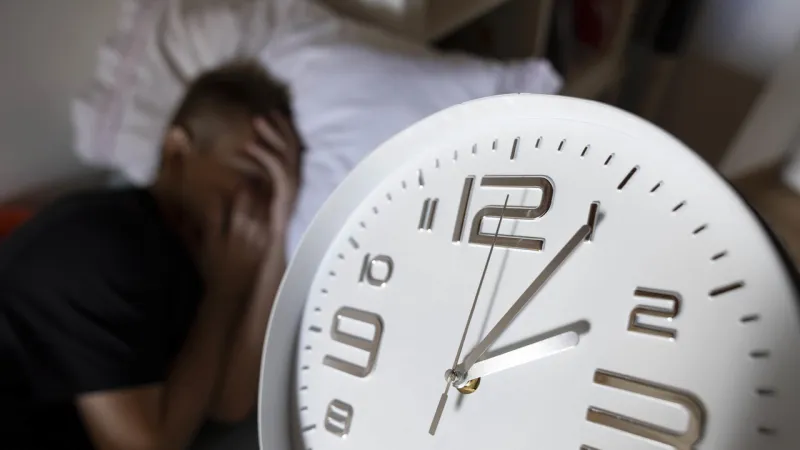
Rome sees its annual transition from daylight saving to standard time this weekend, a shift that proponents highlight for its substantial economic and environmental benefits. The return to standard time, which occurred as clocks moved back one hour between 3 AM and 2 AM on Sunday morning, follows a period where daylight saving measures reportedly saved the nation 90 million euros in energy costs and prevented 140,000 tons of carbon dioxide emissions.
This biennial adjustment, a hallmark of many European nations, brings an end to the warmer season's extended evenings, yet the data underscores a tangible upside for the Italian economy and its ecological footprint. The 90 million euro figure represents a noteworthy saving in a landscape increasingly focused on energy independence and efficiency.
The reduction of 140,000 tons in CO2 emissions is a critical environmental dividend, aligning with broader global efforts to combat climate change. Such reductions contribute directly to air quality improvements and decelerate the rate of global warming, illustrating the often-overlooked environmental impact of the Daylight Saving Time observance.
The mechanism behind these savings is straightforward: by shifting daylight to the evening hours during spring and summer, the demand for artificial lighting in homes and businesses decreases. This reduced reliance on electricity, particularly during peak usage times, translates directly into lower energy bills and decreased fossil fuel consumption by power plants.
While the financial and environmental benefits are compelling, the practice of changing clocks remains a subject of considerable debate across Europe. Critics often point to the disruption of sleep patterns and the potential health implications, sometimes referred to as societal jet lag. This disruption can affect productivity and overall well-being, prompting calls for a permanent adoption of either standard or daylight saving time.
The European Union, including Italy, has previously engaged in extensive discussions regarding the future of Daylight Saving Time. A 2018 public consultation revealed a significant preference among citizens to abolish the twice-yearly clock change. However, a consensus among member states on a unified approach has yet to materialize, leaving individual nations to navigate their preferences within the existing framework.
For Italy, the immediate impact of the return to standard time means earlier sunrises and sunsets. This shift can influence daily routines, from morning commutes to evening activities, requiring an adjustment period for citizens. While some embrace the perceived normalcy of standard time, others lament the loss of extended daylight in the evenings.
The reported savings offer a powerful argument for maintaining the current system, particularly as European economies continue to grapple with volatile energy markets and the imperative to decarbonize. The 90 million euros could be redirected to public services or investments, while the CO2 reduction supports national and international climate targets.
Economists and environmental policy experts frequently analyze the efficacy of such measures. The latest data from Italy provides a concrete case study, demonstrating that even a seemingly minor adjustment to national timekeeping can yield substantial aggregate benefits when scaled across an entire nation.
Despite the ongoing dialogue, the practical implications of Italy's latest clock change are clear: a period of energy austerity has been mitigated by the strategic use of daylight, translating into both fiscal prudence and environmental stewardship. The discussion over Daylight Saving Time's future will undoubtedly continue, but its past performance in Italy offers a compelling brief for its continued relevance.
Organizations dedicated to health and wellness frequently highlight the challenges associated with adjusting to time changes, underscoring the complexities involved in a decision that balances economic gains with societal well-being. The debate often involves scientific studies that investigate the long-term effects on sleep and circadian rhythms, which can be seen in discussions surrounding topics such as societal jet lag and chronic sleep debt. These considerations are vital as policymakers weigh convenience against public health outcomes.
The shift is more than just turning back a clock; it represents a subtle yet significant national experiment in energy management. Each year, as the hands of the clock are adjusted, millions of homes and businesses collectively alter their energy consumption patterns, creating a ripple effect across the national grid. This collective action, while mandated, illustrates the vast potential for coordinated environmental initiatives.
Ultimately, Italy's experience reinforces the dual challenge and opportunity presented by Daylight Saving Time. It is a system designed to maximize daylight utility, and in 2026, it continues to deliver measurable advantages in energy conservation and emission control for the Mediterranean nation, even as the broader debate about its future across the continent persists.